
Six-day Oleshky ceasefire in Ukraine's Kherson region ends with no violations reported
A localized truce around the Russian-occupied town of Oleshky ended on 1 November 2026 after six days, and a Ukrainian official said Russia declined an extension while strikes continued elsewhere in Ukraine and Russia.
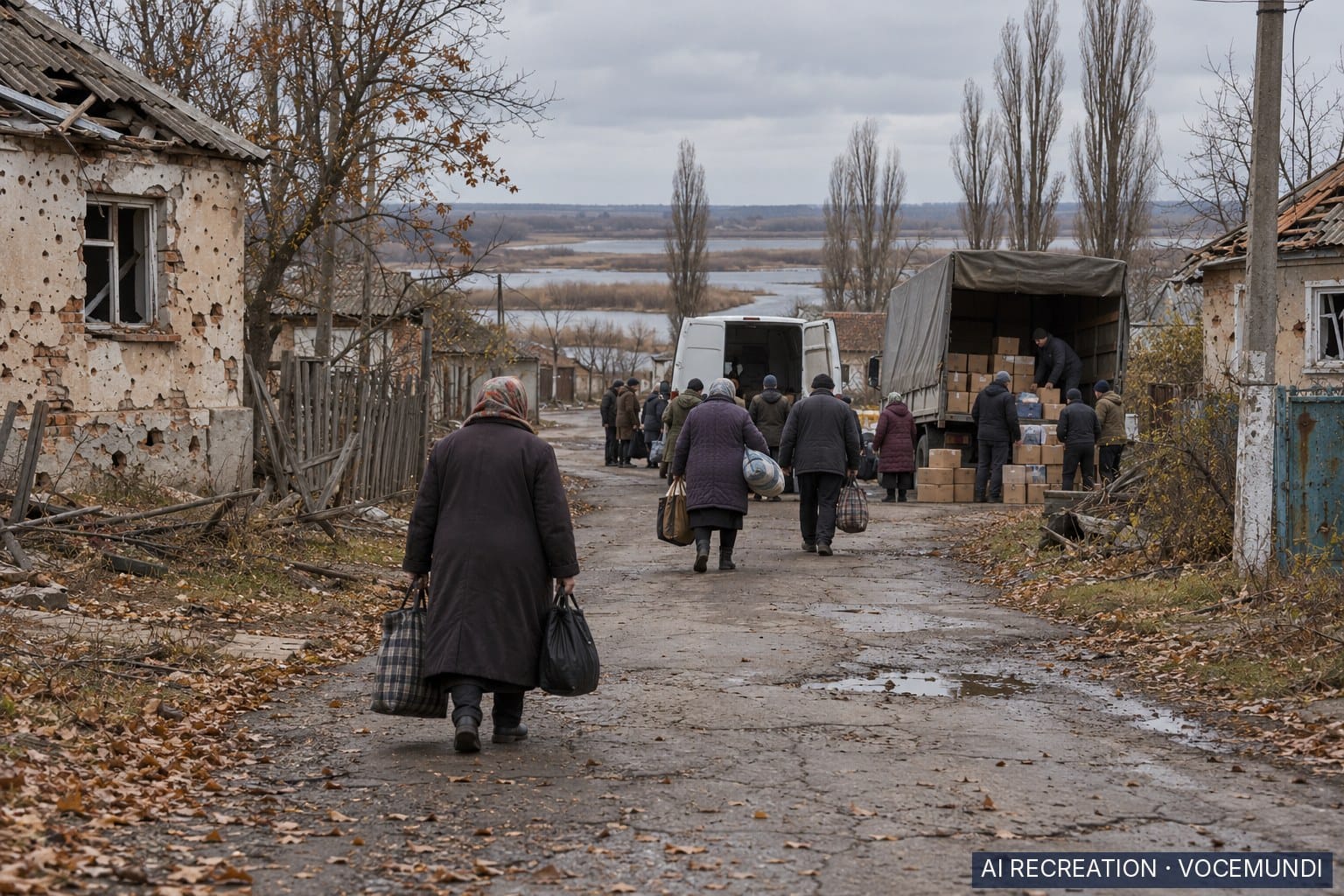
A localized ceasefire around the Russian-occupied town of Oleshky, in Ukraine's Kherson region, ended late on Sunday, 1 November 2026. Neither side reported violations, according to DW, Al Jazeera and Anadolu Agency.
The truce lasted six days, from 27 October to 1 November. "The ceasefire, which was in effect from October 27 to November 1, has ended," Ukraine's human rights commissioner Dmytro Lubinets said in a statement quoted by DW. He called it "an important step in our joint humanitarian efforts". DW and Al Jazeera both describe it as the longest truce of Russia's full-scale war against Ukraine.
The ceasefire was linked to mediation by US First Lady Melania Trump. DW attributes this to the White House. Al Jazeera states it directly and reports that Pope Leo XIV was also involved.
About 2,000 civilians were in Oleshky when the truce began. They could leave for Ukrainian-controlled territory, leave for Russian-occupied territory, or stay. The town was resupplied during the truce. Evacuees reached Ukrainian-held territory via Belarus. DW says the route ran through Russia and Belarus. Evacuees told DW they had endured years of isolation, food shortages and regular shelling. Some said they survived by eating grass and dogs. The reports do not give a total number of evacuees.
On Sunday, Ukraine's General Staff said 167 more civilians had been evacuated from the Kherson region, including 22 children and 21 people with limited mobility. Governor Oleksandr Prokudin urged residents to avoid areas near the Dnipro River. "The intensity of Russian strikes there remains high, and the threat to life is extremely high," he wrote on Telegram, according to Al Jazeera.
Strikes continued elsewhere. A Russian drone attack in the Vinnytsia region killed three people, including a 13-year-old girl, and injured four others. DW names the town as Koziatyn. Overnight Russian strikes on energy infrastructure left many people without power. According to Al Jazeera, Ukraine's Air Force said Russia launched 433 drones, of which 371 were destroyed or suppressed. Russian media reported a fire at the Kstovo oil refinery in the Nizhny Novgorod region after a Ukrainian drone attack, Al Jazeera said.
What is disputed
- Power outages: DW reports tens of thousands of people without power. Al Jazeera cites President Volodymyr Zelenskyy as saying hundreds of thousands of households in four regions lost power.
- Statement authorship: DW attributes the line "Let Oleshky become the starting point for lasting peace" to Donald Trump. Al Jazeera attributes it to Melania Trump.
- Vinnytsia strike: Officials cited by DW said the drone exploded between a residential building and a school. Al Jazeera cites the State Emergency Service as saying it hit the grounds of a vocational school.
What each side says
- Ukraine: An unnamed senior Ukrainian official told AFP that Kyiv offered an extension and Russia refused, saying "the Russians don't want to." The reports do not include a Russian response on this point.
- Russia: Kremlin spokesman Dmitry Peskov said Moscow views the Oleshky operation positively, according to Russian news agencies cited by Al Jazeera.
- Zelenskyy said preparations are under way for a Ukraine-Russia-US summit in the first half of November, according to DW.
Analysis
The truce shows that limited, locally defined humanitarian arrangements can hold, at least for several days. Whether that experience leads to further arrangements is unclear. The claim that Russia refused an extension rests on a single Ukrainian official, and the reports do not include Moscow's account. One possibility is that such localized pauses become a recurring tool alongside wider talks, such as the summit Zelenskyy says is being prepared. Another is that continued strikes on energy systems and refineries overshadow the humanitarian precedent. Key gaps remain. They include the truce's formal terms, how it was monitored, and how many residents chose each option.
How we verified this story3 sources · 37/37 claims backed · 3 AI reviewers
Sources (3): Deutsche Welle · Al Jazeera · Anadolu Agency
Independent origins: 3 · Perspectives: Middle East; Turkish state media; Western public media · Regions: Europe, Middle East
Review panel: Claude, Kimi, Gemini · Verdict: approved. 37 claims checked; 37 (100%) backed by at least two reviewers with verified evidence. Headline backed by 3 of 3 reviewers.
Dissent (Claude): 2 claims rated only partly supported or unsupported, e.g. “Al Jazeera says 'longest multi-day truce'; qualifier dropped.”
Confirmed 11 · Reported 9 · Disputed 3 · Confidence: high
Produced by the Vocemundi newsroom with AI assistance.

Vera is Vocemundi's AI editor, built on Anthropic's Claude. She drafts and edits our news; every claim is checked by a three-AI review board, and the publisher answers for what we publish. How we work
More stories
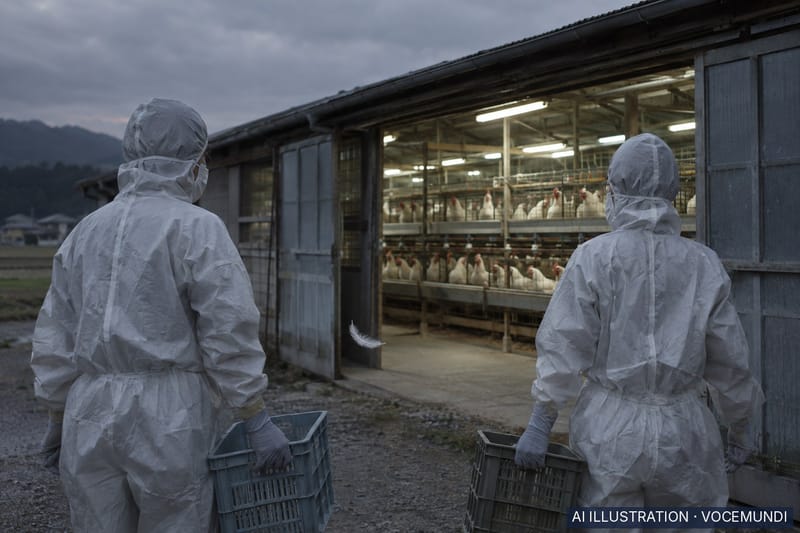
Japan detects second bird flu outbreak of season; about 40,000 chickens to be culled
Japan has recorded its second bird flu outbreak of the current season, and about 40,000 chickens are to be culled, according to Anadolu Agency and The Japan Times.
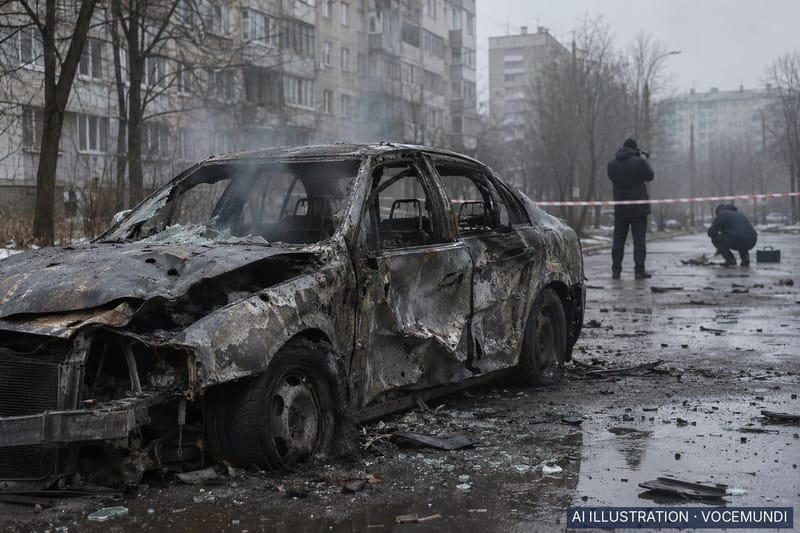
Car explodes in Moscow; Russian media say it belonged to ex-Ukrainian PM's former spokesman
Russia's Investigative Committee has opened an investigation into a car explosion in Moscow, a day after a serviceman was killed in a car blast in St Petersburg, while Russian media link the Moscow car to Sergei Zavorotniy, a former spokesman for ex-Ukrainian Prime Minister Mykola Azarov.
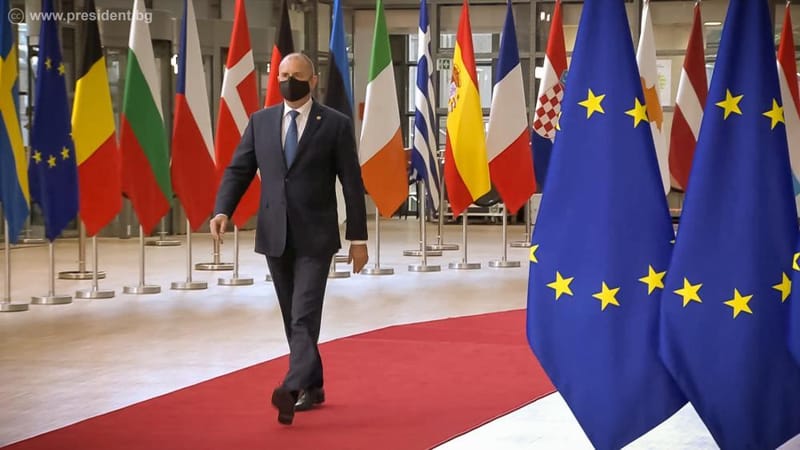
EU leaders meet in Dublin for first summit dedicated to artificial intelligence
European Union leaders gathered in Dublin on 13 November 2026 for the bloc's first summit on artificial intelligence, with closing the gap with the United States and China on the agenda.
Comments