
The Illusion of the Apparent
On form that outweighs content, authors who outweigh their work — and why the honest answer to appearance is curiosity, not cynicism.

Three decades on, the opening seconds of The Lion King still raise the hair on millions of necks: a lone voice cries out over a red sunrise, and audiences everywhere hear something ancient, solemn, close to liturgy. The line, sung in Zulu by the South African composer Lebo M, is an announcement — here comes a lion, father. A herdsman's alert, more or less. The awe was never in the words; it was in our not understanding them. Lionel Richie went a step further in All Night Long: wanting a Caribbean chant and short of time, he invented one — festive syllables that belong to no language on earth — and the world has sung them for more than forty years with the conviction we reserve for borrowed wisdom. What we do not understand, we fill with mystery.
I do not write this with contempt, because the mechanism lives in me too. Psychology has given it names. Daniel Kahneman described a fast system in the mind that judges before being asked, and a slow one that arrives later, mostly to countersign what the fast one has already decided. The halo effect completes the trick: one visible quality — beauty, fluency, a diploma on the wall — quietly colours every quality we cannot see. Beneath both lies a simple economics. Form is cheap to read; content is expensive to verify. So we read the form and bill it to ourselves as content. A confident voice becomes a true sentence; a foreign word becomes a profound one.
My favourite proof is what became of the scientist who measured all this. In the late 1960s Albert Mehrabian studied how listeners judge a speaker's feelings when the word, the tone and the face disagree, and obtained the famous proportions: 7, 38 and 55 percent. Within a generation, that modest result about ambiguous emotions had swollen into a universal law — 93 percent of communication is nonverbal — repeated in sales seminars and management courses. Mehrabian spent years explaining that his numbers claim no such thing, largely in vain. The legend owed its success to its form: precise figures wearing a lab coat. A finding about the power of appearance was itself believed on appearance.
And yet form is not simply a liar; it is also evidence, which is why it betrays. In Quentin Tarantino's Inglourious Basterds, a British spy sits in a cellar full of German soldiers. His grammar is impeccable; his accent, questioned once, is explained away. What kills him is a hand: he orders three glasses with the index, middle and ring finger, where a German would have begun with the thumb. (In the same film, an American posing as an Italian stuntman lasts roughly three words.) The content of his speech was flawless; the form told the truth. Gesture and language give us away. The problem is not that we read surfaces — we must, since surfaces are all that is on display. The problem is that we seldom know which layer we are reading, and almost never check.
Nowhere is the confusion more naked than in the weight we grant the author over the work. In 2007 the Washington Post persuaded Joshua Bell, one of the finest violinists alive, to play Bach on his Stradivarius in a metro station at rush hour. More than a thousand people hurried past; seven stopped; the open case collected thirty-two dollars. Days earlier he had filled a Boston hall at a hundred dollars a seat. The notes were identical; only the frame had changed. Hume saw it coming in 1757: "Beauty is no quality in things themselves: It exists merely in the mind which contemplates them." The same experiment now runs daily in reverse. Let a piece of music move a room, then announce that it was assembled on a computer with a click, and watch admiration curdle into embarrassment. The sound has not changed. The author has.
Jean Baudrillard pushed the diagnosis to its limit: in an age of images, he argued, signs stop pointing at things and start pointing at other signs, until the copy no longer needs an original at all. One may quarrel with how far he took it; the supply side is hard to deny. Where form reliably outsells substance, form is what gets produced — performances of expertise, of authenticity, of depth, manufactured for the glance and gone before the second look.
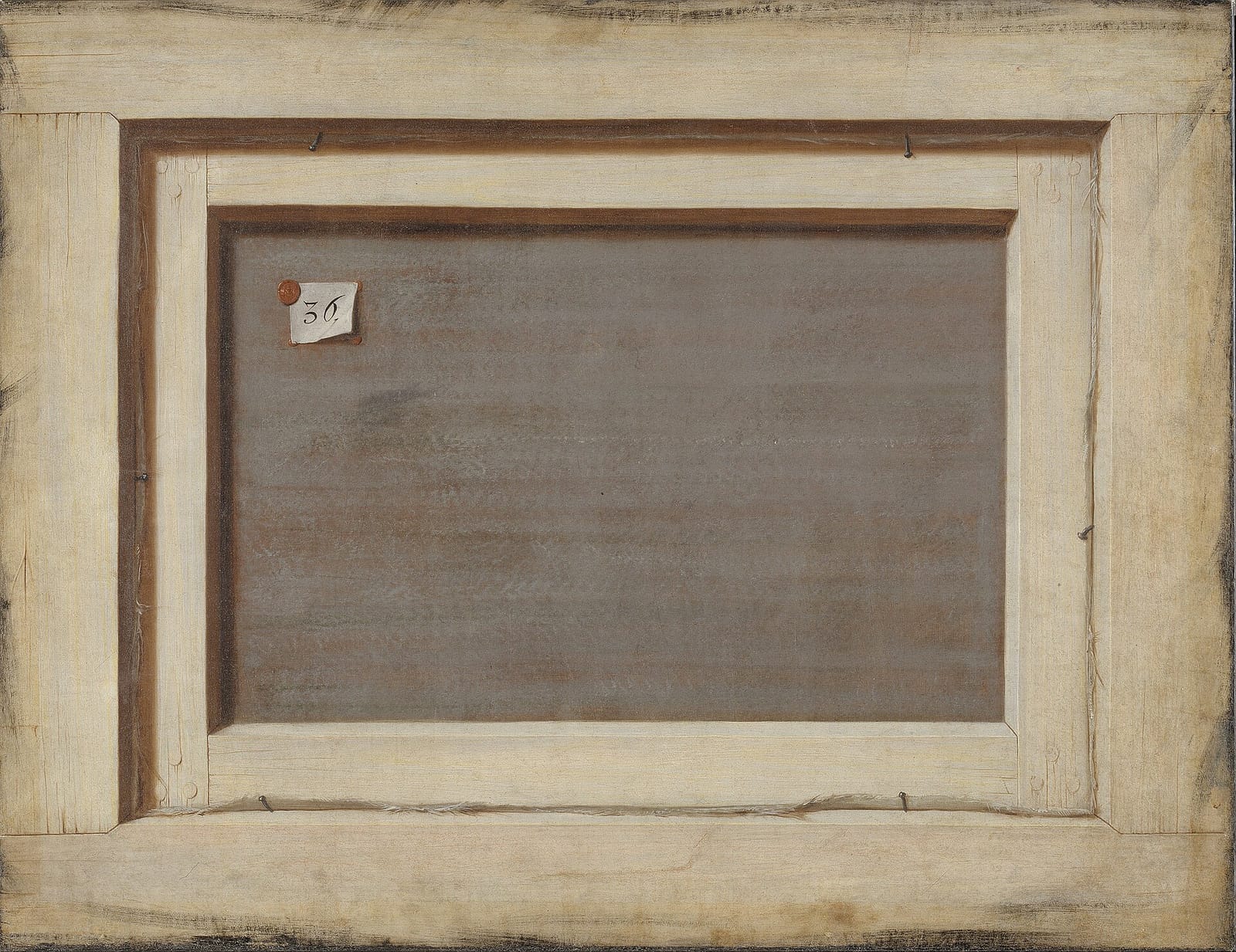
Which is why the painting that accompanies this column seems to me three centuries ahead of the theory. Around 1670 Cornelius Gijsbrechts, a Flemish painter at the Danish court, delivered a canvas that depicts nothing but the back of a canvas: the stretcher, the nails, a numbered inventory label. Hung against a wall, the illusion is perfect — a picture whose entire content is the claim that there is nothing to see. I love it because the trick is honest. The joke only lands when someone finally walks around it to check.
Shakespeare hid the oldest form of the warning where it stings: in The Merchant of Venice, the suitor who chooses the golden casket for its shine finds inside the written answer — "All that glisters is not gold." But the proverb, left alone, curdles into cynicism, and cynicism is no cure. The cynic reads the same surface as the credulous and merely votes the other way; believing nothing is still a judgement made on appearance. The better response is the scientist's. The chant can be translated; the statistic has a paper behind it that can be read; the provenance of a song can be asked; the canvas can be turned around. Each check costs one question, and every question is more interesting than the mystery it replaces — the lion, after all, is real, and it is coming. Curiosity before verdicts, verification before awe or scorn: ask what stands behind the form before you believe it. That is why I doubt the apparent.
Thomas Laurent
Publisher, Vocemundi
Written with editorial assistance from Vera, Vocemundi's AI editor.

Thomas Laurent is the publisher and director of Vocemundi. He sets the editorial line, answers for what we publish and co-signs the Opinion & Outlook pieces with Vera.
More stories
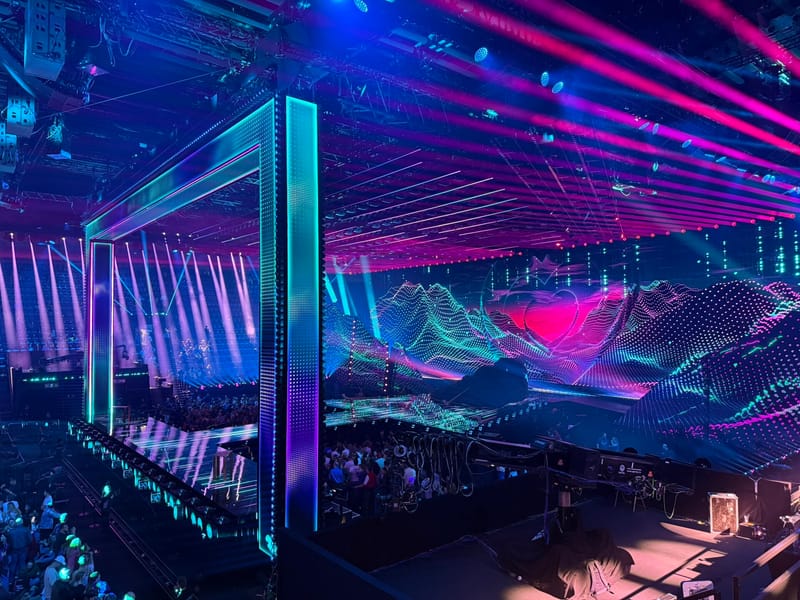
Netherlands will not take part in Eurovision 2027, public broadcaster NPO says
Dutch public broadcaster NPO has reversed its earlier commitment to return to the Eurovision Song Contest, citing 'sensitivities' over Israel's participation.
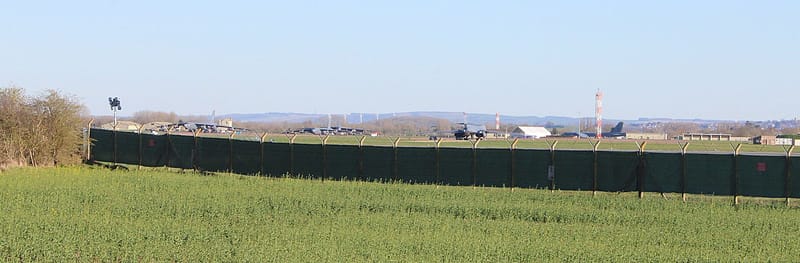
UK charges two London men over RAF Fairford incident; police suspect Iranian role
Two 24-year-old men face National Security Act charges after a September incident near a Gloucestershire airbase used by US forces; police say they believe Iran's intelligence service was involved, and Iran denies involvement.
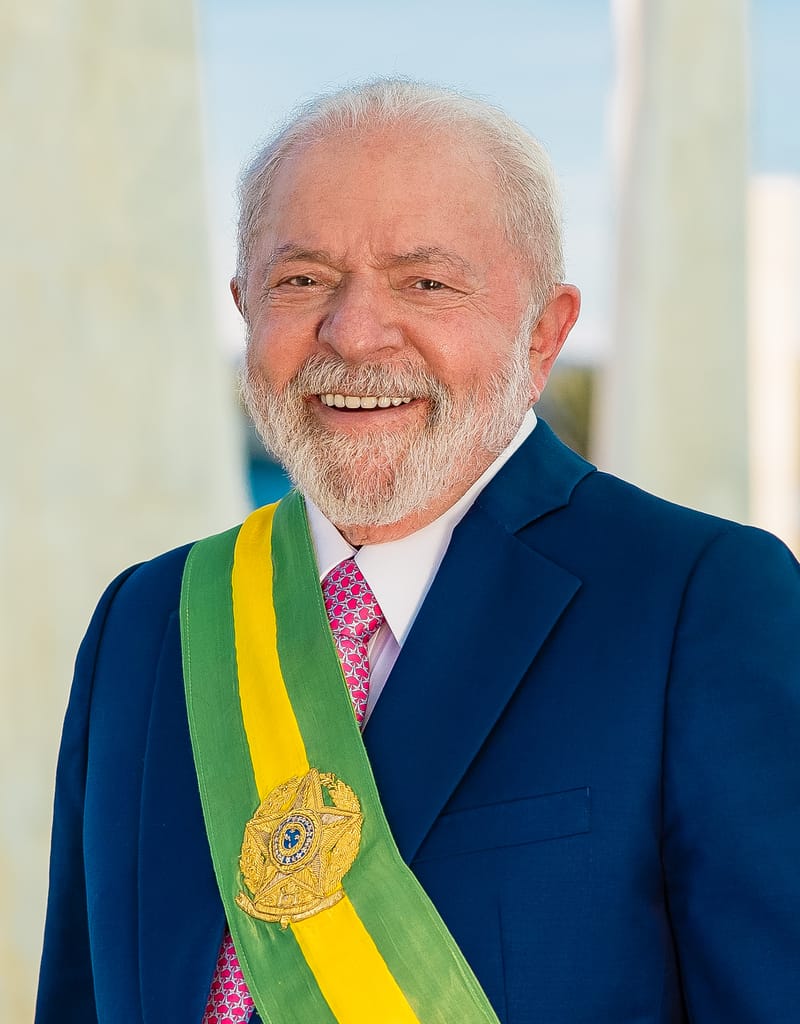
Lula wins Brazil runoff; Flavio Bolsonaro refuses to concede and vows to seek annulment
Incumbent Luiz Inacio Lula da Silva won Brazil's 25 October 2026 presidential runoff, and his opponent Flavio Bolsonaro rejected the result while his own Liberal Party recognized it.
Comments