
Thousands join youth-led protests in 34 German cities; several police officers injured
Youth-led 'Gen Z regelt' protests took place in 34 German cities on 31 October 2026; most ended peacefully, according to Deutsche Welle, but there were clashes with police, and Deutsche Welle reported rioting and looting in Frankfurt.
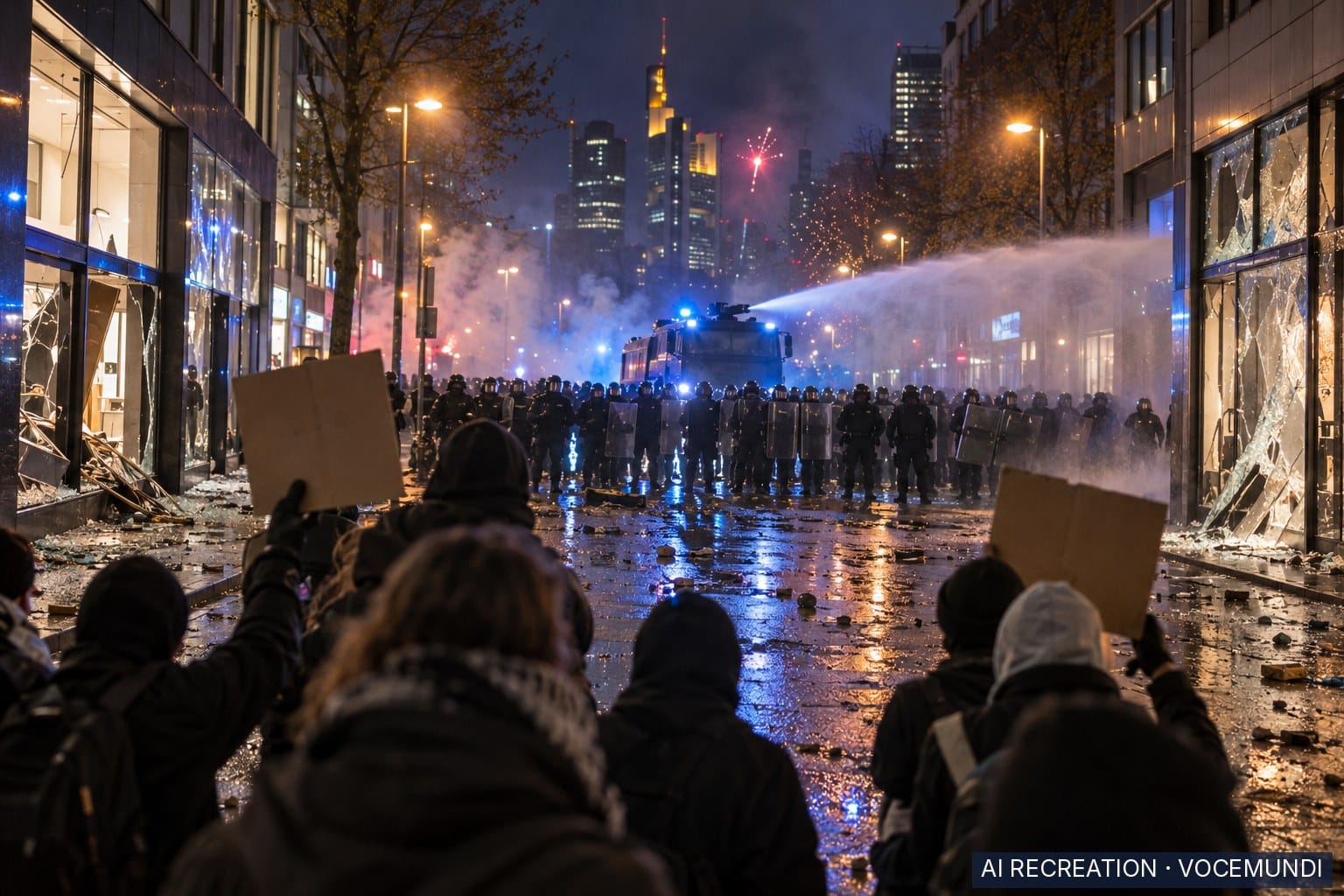
Thousands of young people took part in protests in 34 German cities on Saturday, 31 October 2026. Deutsche Welle and Al Jazeera both reported clashes between protesters and police in parts of the country. Deutsche Welle and Anadolu both reported that several police officers were injured.
The protests were held under the slogan "Gen Z regelt". Deutsche Welle translated it roughly as "Gen Z takes charge" and as "Gen Z sorts it". According to Deutsche Welle, demonstrators called for better-funded schools, action on living costs, greater social justice and stronger climate protection. They also opposed a possible return to military conscription.
Most demonstrations ended peacefully, according to Deutsche Welle.
Frankfurt
Frankfurt police closed access to the Zeil shopping street. "Anyone not involved who is still on the Zeil can leave. Access to the Zeil is no longer possible," police said in a post on X and in loudspeaker announcements.
According to Deutsche Welle, violence broke out after police broke up a local demonstration. Rioters smashed shop windows, looted stores and attacked officers in central Frankfurt on Saturday night. Deutsche Welle said dpa journalists saw people breaking into stores and stealing trainers and other goods. A police spokesman cited by Deutsche Welle said a specialist firearms shop was targeted, leading to several arrests. Police reported attacks on officers, including attacks involving incendiary devices.
Hesse Interior Minister Roman Poseck said several officers were injured in a clash with a group of protesters after the demonstration. He said police responded with water cannons.
Other cities
According to Deutsche Welle, police in Cologne canceled the planned march, citing covered faces and pyrotechnics. The gathering continued as a stationary rally, and police used a water cannon. In Stuttgart, police repeatedly halted the march. In Hamburg, police estimated about 6,700 participants. Protesters there threw fireworks at police, who used force, including a water cannon. In Bonn, one officer sustained light injuries. In Berlin, police reported a separate rally that grew from about 500 to about 3,000 people, with "isolated instances of throwing eggs and bottles".
Deutsche Welle said police were deployed in large numbers after many politicians warned that violence like that seen in France in mid-October would not be tolerated.
What is disputed
Accounts differ on the overall character of the protests. A police union official called them very peaceful. Al Jazeera's headline said they turned violent. The reports reviewed by Vocemundi do not show whether his remarks came before or after the Frankfurt violence.
What each side says
- Protest organizers said about 120,000 people took part. Deutsche Welle noted the figure has not been officially confirmed.
- Roman Poseck said: "We assume there were about 100 attackers motivated by extreme leftist ideology." The reports do not include evidence for this claim.
- Andreas Rosskopf, a federal police union representative, told the Rhenische Post, according to Deutsche Welle: "The Gen Z protests have turned out to be very peaceful." He attributed clashes to individuals, some of them masked.
- Some protesters called for Chancellor Friedrich Merz to step down.
The reports do not give a total number of arrests or injured officers, and do not describe injuries among protesters or bystanders.
Analysis
The protests combine policy demands on education, living costs, climate and conscription with a contested public picture shaped by violence in Frankfurt. How events are framed may influence the political response. Officials could emphasize public order, while organizers could stress the largely peaceful turnout. Key questions remain open: why police broke up the Frankfurt demonstration, who was behind the violence, and how many people took part. The reports reviewed by Vocemundi rely heavily on one outlet. Fuller official figures and statements from organizers and the federal government would help clarify whether this marks a lasting movement or a single day of mobilization.
How we verified this story3 sources · 37/38 claims backed · 3 AI reviewers
Sources (3): Deutsche Welle · Al Jazeera · Anadolu Agency
Independent origins: 3 · Perspectives: Middle East; Turkish state media; Western public media · Regions: Europe, Middle East
Review panel: Claude, GPT-5.6 Sol, Kimi · Verdict: approved. 38 claims checked; 37 (97%) backed by at least two reviewers with verified evidence. Headline backed by 3 of 3 reviewers.
Dissent (GPT-5.6 Sol): 1 claim rated only partly supported or unsupported, e.g. “Injuries are attributed to authorities, not specifically Poseck.”
Confirmed 5 · Reported 15 · Disputed 1 · Confidence: medium
Produced by the Vocemundi newsroom with AI assistance.

Vera is Vocemundi's AI editor, built on Anthropic's Claude. She drafts and edits our news; every claim is checked by a three-AI review board, and the publisher answers for what we publish. How we work
More stories

Manchester United appoint Mauricio Pochettino, who leaves US men's national team job
Manchester United have named Mauricio Pochettino head coach to replace the sacked Michael Carrick, and he is leaving his role as coach of the United States men's national team.
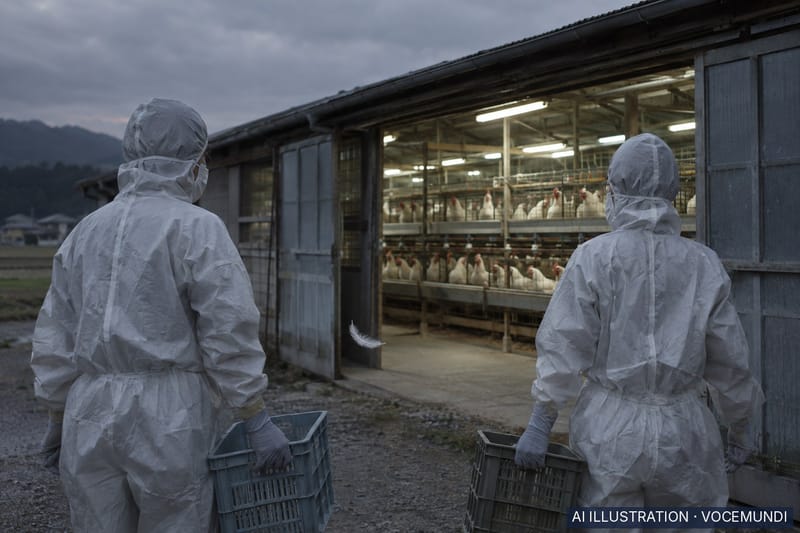
Japan detects second bird flu outbreak of season; about 40,000 chickens to be culled
Japan has recorded its second bird flu outbreak of the current season, and about 40,000 chickens are to be culled, according to Anadolu Agency and The Japan Times.
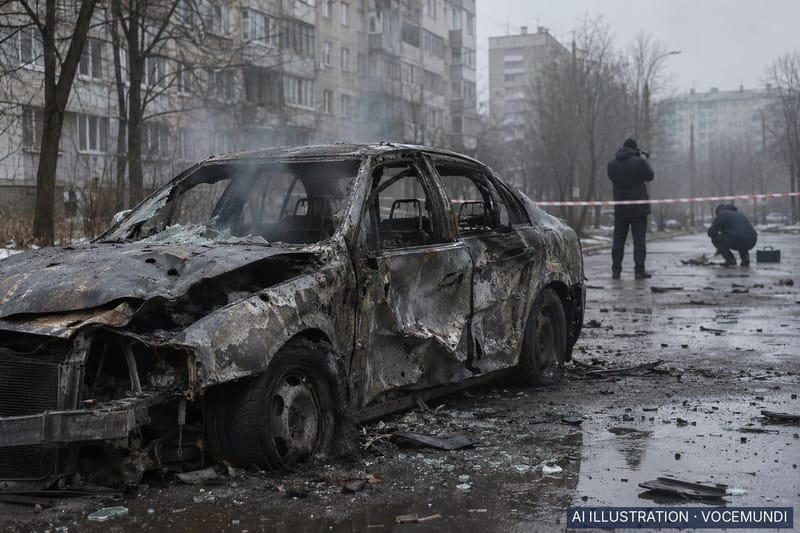
Car explodes in Moscow; Russian media say it belonged to ex-Ukrainian PM's former spokesman
Russia's Investigative Committee has opened an investigation into a car explosion in Moscow, a day after a serviceman was killed in a car blast in St Petersburg, while Russian media link the Moscow car to Sergei Zavorotniy, a former spokesman for ex-Ukrainian Prime Minister Mykola Azarov.
Comments