
Trump orders US government to use 'Super Intelligence' instead of 'artificial intelligence'
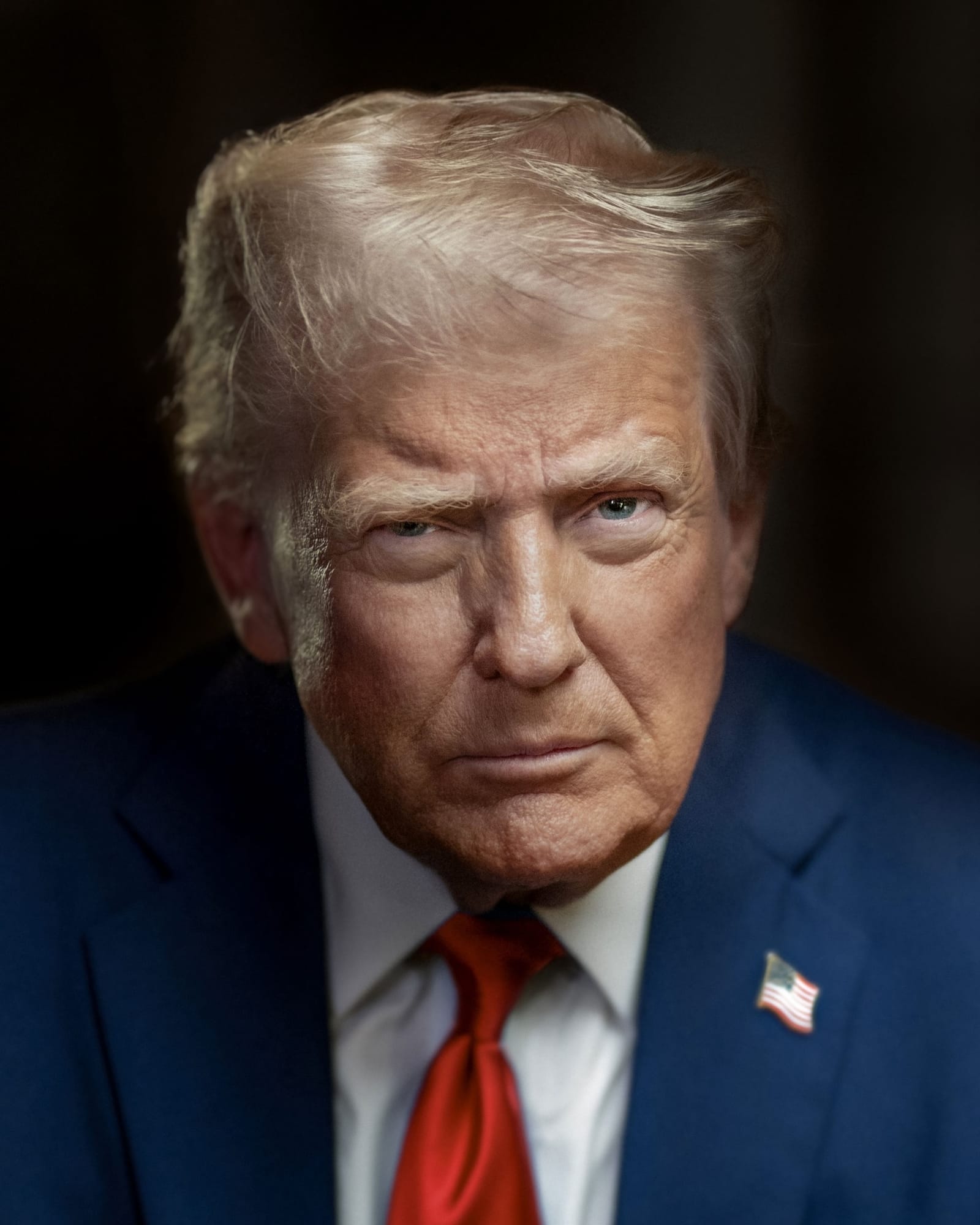
President Donald Trump has ordered federal agencies to replace the term 'artificial intelligence' with 'Super Intelligence', according to The Verge and Anadolu Agency, with most details so far reported by The Verge.
.jpg)
President Donald Trump has ordered the US federal government to use the term "Super Intelligence" in place of "artificial intelligence". The Verge and Anadolu Agency both reported the order. Anadolu's report was available to Vocemundi only as a headline, so the details below rest on The Verge alone.
How the order works
According to The Verge, Trump made the change through an executive order. Executive branch policy websites, policy documents and press releases will refer only to "Super Intelligence". Agencies will not be required to change past regulations or documents. The Verge also reported that US officials will be expected not to acknowledge use of the terms "artificial intelligence" or "AI" in relevant settings.
The administration is seeking to use "Super Intelligence" as a replacement for a broader statutory definition of AI, The Verge reported. The outlet noted that in the industry, "superintelligence" is one of several terms for particularly powerful versions of AI.
Context
According to The Verge, Trump signed the order after a White House luncheon with tech CEOs and government officials. He then made brief public remarks, flanked by Nvidia CEO Jensen Huang and Tesla and SpaceX CEO Elon Musk. Earlier on Tuesday, at an event announcing the launch of America.gov, he also spoke about the new term.
The Verge reported that Trump first mentioned the plan in a speech to the UN General Assembly the previous week. The outlet characterised the aim as easing fears that AI is advancing too quickly and poses a safety risk. Chinese President Xi Jinping visited the White House the previous week, according to The Verge.
What each side says
The Verge quoted Trump as saying: "The word super is the best word of all, and it's the simplest." He also said: "We don't want to hear artificial. Because it's not artificial. It's very powerful, it's very brilliant. It's going to mostly be put to good use and we'll stop the bad use." He said the word "artificial" "is like the news. Fake news." He said Xi "loves it", according to The Verge.
On regulation, The Verge quoted him as saying: "There's a belief that there should be tremendous self-regulation." He added: "And we automatically have regulation with the Department of Justice, the FBI, all of that." He said tech firms would "work to make the community happy" and that "data centers are going to be very popular." He called the luncheon "very productive" and "extremely friendly".
What is not known
The reports do not quote the order's text, or give its title, number or effective date. They do not explain how it interacts with existing legal definitions of AI, or whether it applies to independent agencies. They include no statements from Xi, the Chinese government, the tech CEOs present, Congress, industry groups or AI safety researchers.
Analysis
The order's reach remains unclear. If it changes only terminology, its main effect may be on how the government communicates about the technology. If it alters how AI is defined in law or policy, it could raise questions about existing statutes and obligations. The Verge's account links the change to easing public concerns about AI safety. Supporters may see clearer, more positive messaging. Critics may question whether a new label affects how risks are assessed. Reactions from lawmakers, industry, researchers and foreign governments, none of which appear in the reports reviewed by Vocemundi, will likely shape how the term is received.
Traceability
Sources (2): Anadolu Agency · The Verge
Independent origins: 2 · Perspectives covered: state-turkey, west-commercial
Confirmed: 1 · Reported: 9 · Disputed: 0 · Confidence: medium
Review: 3 AI reviewers (Claude, GPT-5.6 Sol, Kimi) · 30/30 claims backed by 2+ reviewers with verified evidence · 0 errors · approved
Drafted: 2026-09-30 01:01 UTC
Produced by the Vocemundi newsroom with AI assistance.
More stories

Turner's 'Rome, from Mount Aventine' on display in Rome ahead of London auction
JMW Turner's panoramic view of Rome is back in the city after nearly 200 years for a three-day showing, before a December sale in London at which Sotheby's expects it to fetch around £50 million.
Morocco's king appoints Fatima Zahra Mansouri as country's first woman prime minister
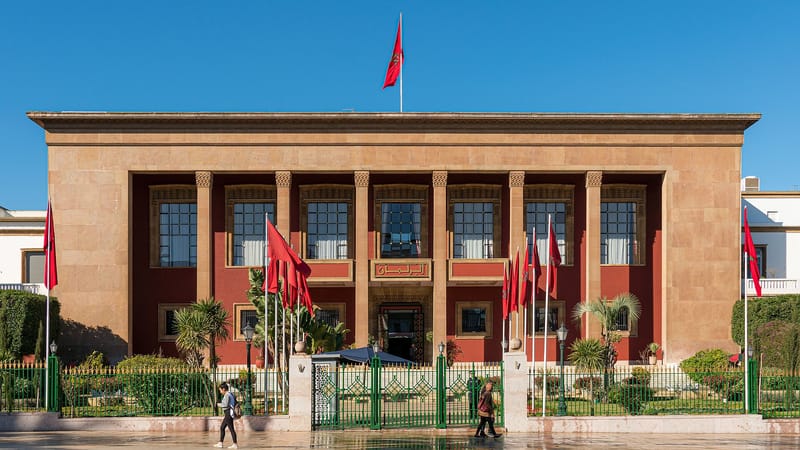
King Mohammed VI named Mansouri, coordinator of the Authenticity and Modernity Party's (PAM) collective leadership, prime minister on 29 September 2026 and asked her to form a government after PAM won the most seats in the previous week's parliamentary elections.
Dangote's $16bn Kenya refinery breaks ground, BBC reports, amid court land dispute
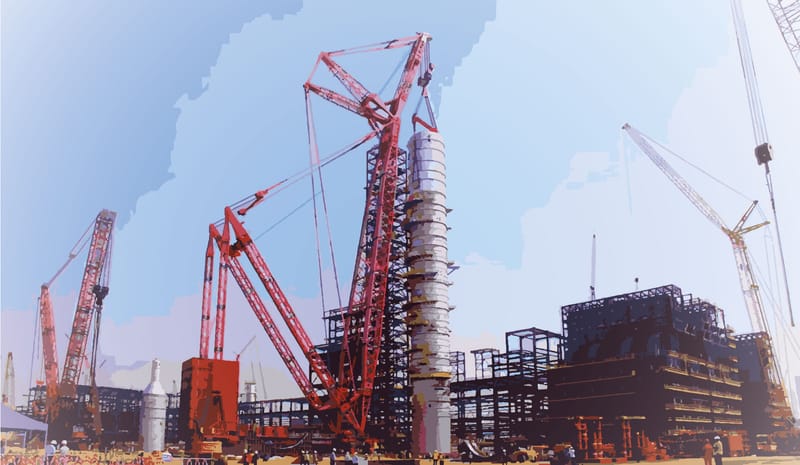
Aliko Dangote's planned 700,000-barrel-a-day refinery in Lamu reached its groundbreaking stage, while residents contest the land in court and a ruling pauses site activities until a 14 October hearing.
Comments