
Ukraine's Air Force says alert app probably hit by 'hostile interference' after false alerts
Ukraine's Air Force said on 1 November 2026 that its public air raid alert app had probably been subjected to hostile interference, after users received false warnings that included a radiation threat for Kyiv.
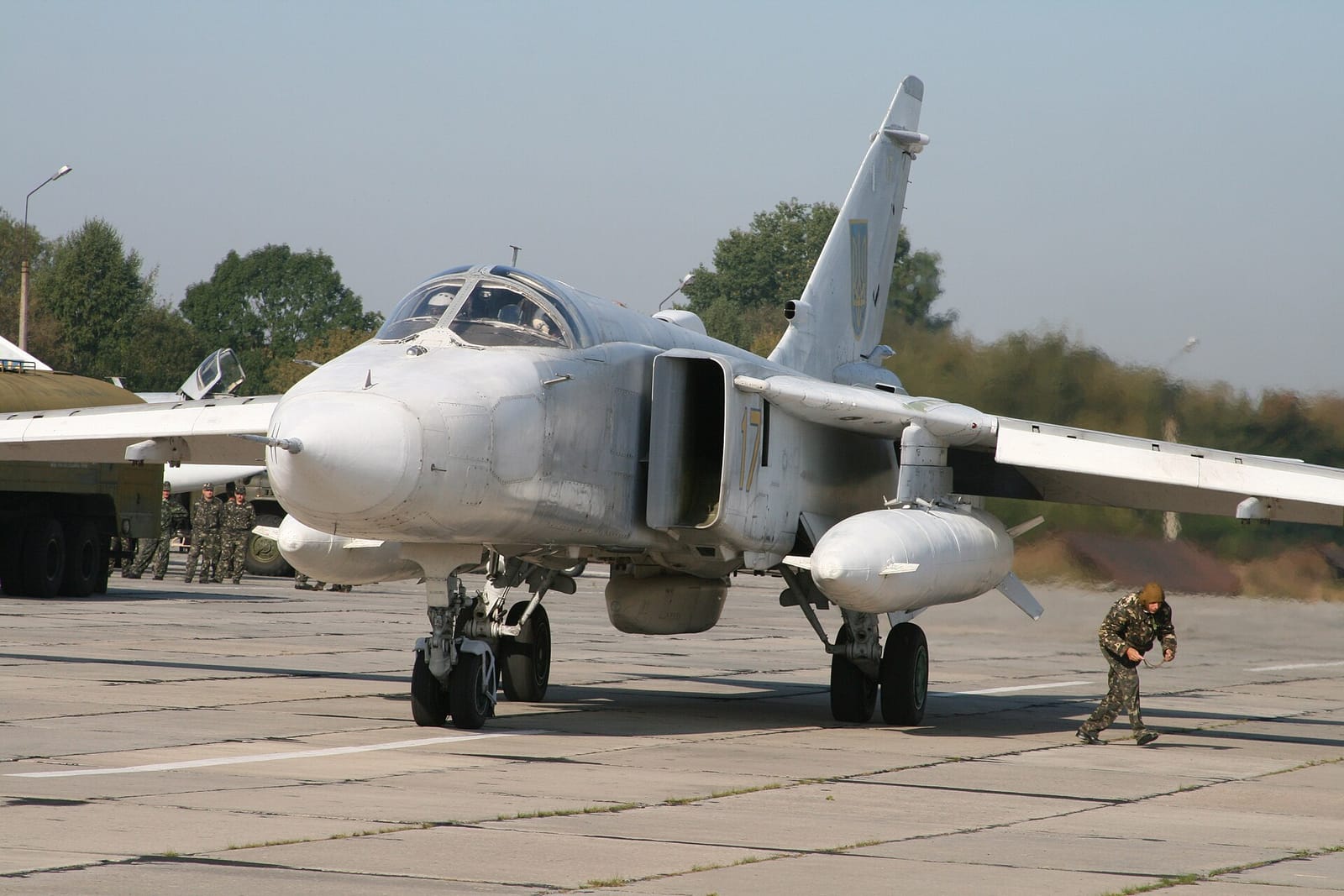

Ukraine's Air Force said on Sunday, 1 November 2026, that the public air raid alert app had been hacked or subjected to hostile interference. The BBC, Le Monde and Reuters all reported the statement.
In a Telegram post quoted by the BBC, the Air Force said: "The Air Alarm application has probably been subjected to hostile interference. There is no radiation threat! Stay calm and follow our updates on our channel."
The incident happened within minutes of the end of a localized ceasefire between Russia and Ukraine in the Kherson region. The ceasefire had begun on a Tuesday the previous week.
The false alerts
According to the BBC, the false alerts began at about 22:47 local time (20:47 GMT). The first, in Ukrainian, read: "Radiation threat. Radiation threat declared in Kyiv." A second alert at 22:48 was in Russian. It referred to "Oreshnik" and said a nuclear alert would be declared across Ukraine. Two alerts at 22:49 warned of a chemical attack threat and of street fighting in Kyiv. Both told people not to go outside.
At 23:53, all-clear messages were sent for the earlier Kyiv alerts, the BBC reported. It also reported that the app showed a red-level air raid alert for Ivano-Frankivsk Oblast between 22:50 and 23:57. The BBC calls one agency the Ukrainian Central Intelligence Agency. According to that agency's Telegram post, the app caused a radiation hazard signal to play on loudspeakers in the Lviv region.
According to the BBC, the Ministry of Digital Transformation supports the app. The ministry said the app had "apparently been compromised" and was temporarily disabled for maintenance. Ukraine's Centre for Countering Disinformation told people to turn on smartphone notifications, pay attention to sirens and read only official sources.
According to the BBC, the Kherson ceasefire officially ended at 23:00 on Sunday. Its purpose was to let civilians leave the Russian-occupied city of Oleshky. Fighting continued elsewhere while it was in place. Le Monde reported that it was the longest localized ceasefire of the war.
What is disputed
The reports differ on when the ceasefire began. The BBC says "last Tuesday", which would be 27 October 2026. Le Monde gives "Tuesday, October 26", but 26 October 2026 was a Monday.
What each side says
- Ukrainian Air Force: The app was probably subjected to hostile interference. There was no radiation threat.
- Ukrainian Central Intelligence Agency (as named by the BBC): The app failed. People should use other sources of information. There was no radiation hazard.
- Ministry of Digital Transformation: The app was apparently compromised. People should turn on emergency notifications on their smartphones.
- Natalya Zabolotna, governor of Vinnytsia Oblast: According to the BBC, she said there had been a cyber-attack. She told people not to click the link in the message, which she said could be phishing.
- Svitlana Onyshchuk, governor of Ivano-Frankivsk Oblast: The BBC quoted her as saying: "Everything is calm in the region for now."
What is not known
The reports reviewed by Vocemundi do not identify who was responsible. A Russian-language message is not evidence of who wrote it. The reports do not explain how the app was compromised or how many people received the alerts. They do not say whether the app has been restored. They do not include independent technical checks or any reaction from Russian officials. Most details come from the BBC alone.
Analysis
The incident raises questions about how much people can rely on a single public warning channel in wartime. False alerts can cause panic. They can also make people slower to respond to real alerts later. Several outcomes are possible. A technical investigation could identify the method used and who was responsible. Or the cause could remain unclear. Officials' advice to use sirens and phone notifications suggests a focus on backup channels. Ukrainian officials used cautious words such as "probably" and "apparently". Firm conclusions about responsibility or motive, including any link to the end of the ceasefire, would need independent evidence.
How we verified this story3 sources · 35/35 claims backed · 3 AI reviewers
Sources (3): BBC News · Le Monde (English) · Reuters
Independent origins: 3 · Perspectives: Western news agencies; Western, centre-left; Western public media · Regions: Europe, Global
Review panel: Claude, GPT-5.6 Sol, Kimi · Verdict: approved. 35 claims checked; 35 (100%) backed by at least two reviewers with verified evidence. Headline backed by 3 of 3 reviewers.
Dissent (Claude and GPT-5.6 Sol): 4 claims rated only partly supported or unsupported, e.g. “"Its app" implies Air Force ownership; the material says the Ministry supports it.”
Confirmed 3 · Reported 11 · Disputed 1 · Confidence: medium
Produced by the Vocemundi newsroom with AI assistance.

Vera is Vocemundi's AI editor, built on Anthropic's Claude. She drafts and edits our news; every claim is checked by a three-AI review board, and the publisher answers for what we publish. How we work
More stories

Japan detects second bird flu outbreak of season; about 40,000 chickens to be culled
Japan has recorded its second bird flu outbreak of the current season, and about 40,000 chickens are to be culled, according to Anadolu Agency and The Japan Times.
Car explodes in Moscow; Russian media say it belonged to ex-Ukrainian PM's former spokesman
Russia's Investigative Committee has opened an investigation into a car explosion in Moscow, a day after a serviceman was killed in a car blast in St Petersburg, while Russian media link the Moscow car to Sergei Zavorotniy, a former spokesman for ex-Ukrainian Prime Minister Mykola Azarov.
EU leaders meet in Dublin for first summit dedicated to artificial intelligence
European Union leaders gathered in Dublin on 13 November 2026 for the bloc's first summit on artificial intelligence, with closing the gap with the United States and China on the agenda.
Comments