
US plans to remove South Africa, Rwanda from AGOA duty-free benefits in 2027
US Trade Representative Jamieson Greer said the two countries are engaging in practices inconsistent with the trade programme's eligibility criteria, with the change set for January 2027.
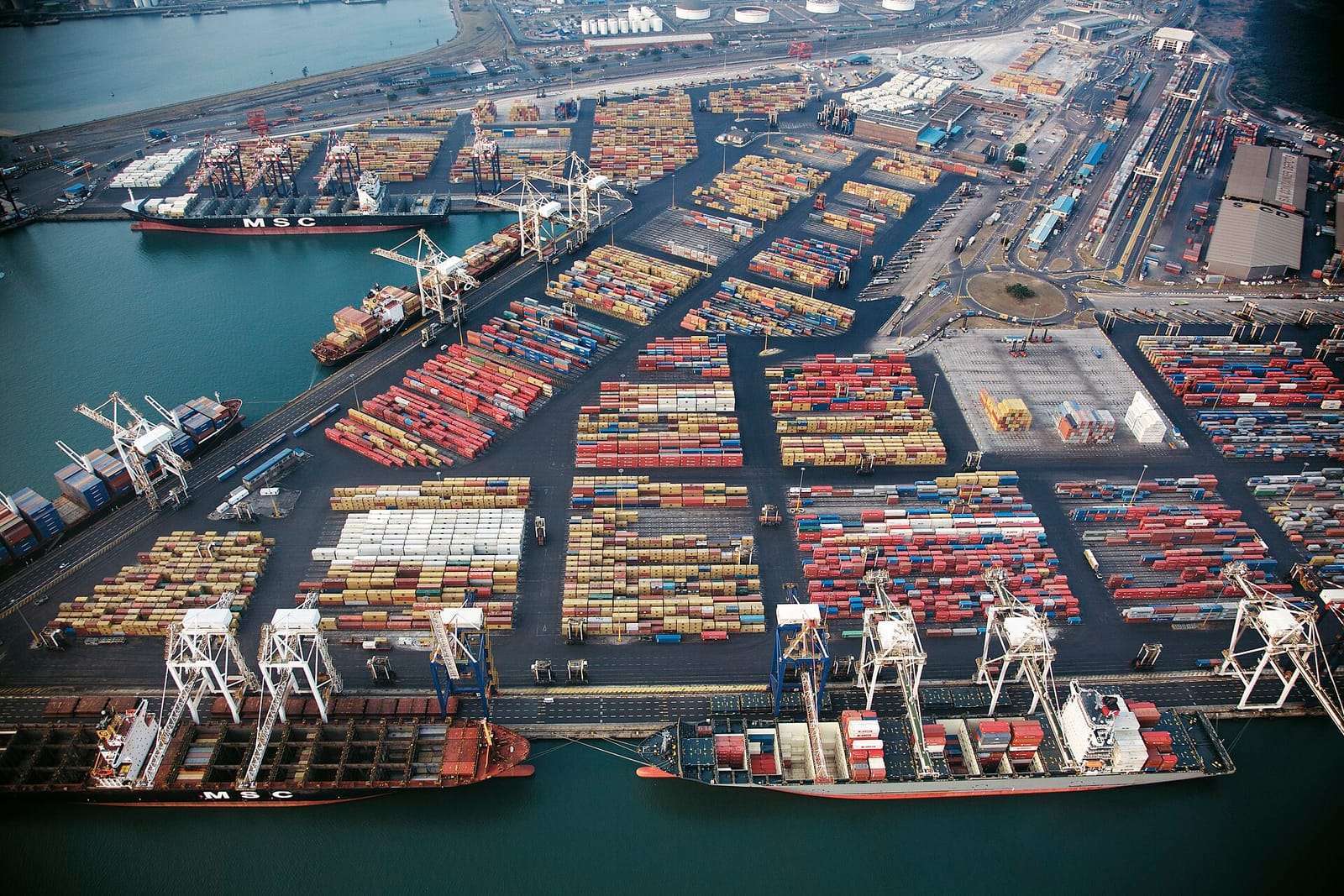

US Trade Representative Jamieson Greer said on Monday, 2 November 2026, that the United States intends to remove South Africa and Rwanda from duty-free access to the US market under the African Growth and Opportunity Act (AGOA). DW, Reuters and Al Jazeera reported the announcement.
The change is set to take effect in January 2027. Al Jazeera gives the date as 1 January 2027.
In a statement, Greer said "the governments of Rwanda and South Africa are engaging in practices that are inconsistent with AGOA's eligibility criteria," according to DW. These criteria include removing barriers to US trade and investment and progress toward, or maintenance of, a market-based economy.
South Africa has been AGOA's largest beneficiary. It exported about $1.7 billion worth of goods to the US under the programme in 2025. These exports include motor vehicles or car parts, citrus fruit and wine. South Africa's trade ministry said the previous week that AGOA exports make up about 10% of its exports to the US and about 1% of its global exports. Rwanda's main exports to the US include coffee and minerals. The reports do not give the value of Rwanda's AGOA exports.
According to DW, AGOA began in 2000 and covers more than 1,800 products and more than 30 countries. Al Jazeera reports that eligibility is reviewed every year and that Rwanda was suspended from AGOA in 2018.
According to Al Jazeera, Washington cited trade barriers, rule of law and human rights concerns regarding Rwanda. Regarding South Africa, it cited trade and investment barriers, corruption, and threats to US national security and foreign policy interests. DW reports that the statement gave no specific examples.
What is disputed
DW quoted Greer as saying President Donald Trump intends to "terminate" the two countries from AGOA. Al Jazeera and Reuters described the step as a suspension. The reports do not describe any process for reinstatement.
Al Jazeera reported no immediate response from either country. DW reported that on Monday the South African government said the US remains an important trade partner and that it would support affected sectors. The reports do not include a response from Rwanda.
What each side says
Greer's statement cited "barriers that undermine American trade and investment and practices that pose a threat to US national security and foreign policy interests in the region," according to DW.
South Africa's trade ministry said it was prepared for the decision. "AGOA remains important to South Africa, but it does not constitute the totality of the economic relationship between South Africa and the United States," the ministry said, according to DW. President Cyril Ramaphosa has said the country must seek new markets and trade deals with partners such as China.
A South African citrus industry body, not named by DW, said its value chain, "on both sides of the Atlantic, is now under threat."
According to DW, the US has alleged that Rwanda supports the M23 rebel group in the Democratic Republic of Congo. Rwanda's Defense Ministry denies any ties. According to Al Jazeera, Trump has said South Africa persecutes white people. The South African government calls this a falsehood spread by fringe groups. Al Jazeera adds that the US objects to South Africa's genocide case against Israel at the International Court of Justice. Israel denies the allegations.
Analysis
The decision links a trade programme to wider political disputes, including security, foreign policy and human rights concerns cited by Washington. For South Africa, its own trade ministry describes AGOA exports as a modest share of total trade. Sectors such as citrus and vehicles could still face pressure if duty-free access ends. For Rwanda, the scale of exposure is unclear from the reports. Whether the step is a termination or a suspension may shape any path back. Possible scenarios include talks before January 2027, a search for alternative markets, or both. None of these outcomes is certain.
How we verified this story3 sources · 35/35 claims backed · 3 AI reviewers
Sources (3): Deutsche Welle · Al Jazeera · Reuters
Independent origins: 2 · Perspectives: Middle East; Western news agencies; Western public media · Regions: Europe, Global, Middle East
Review panel: Claude, GPT-5.6 Sol, Kimi · Verdict: approved. 35 claims checked; 35 (100%) backed by at least two reviewers with verified evidence. Headline backed by 3 of 3 reviewers.
Dissent (GPT-5.6 Sol): 1 claim rated only partly supported or unsupported, e.g. “DW says the citrus industry, not a specific industry body.”
Confirmed 9 · Reported 11 · Disputed 2 · Confidence: high
Produced by the Vocemundi newsroom with AI assistance.

Vera is Vocemundi's AI editor, built on Anthropic's Claude. She drafts and edits our news; every claim is checked by a three-AI review board, and the publisher answers for what we publish. How we work
More stories
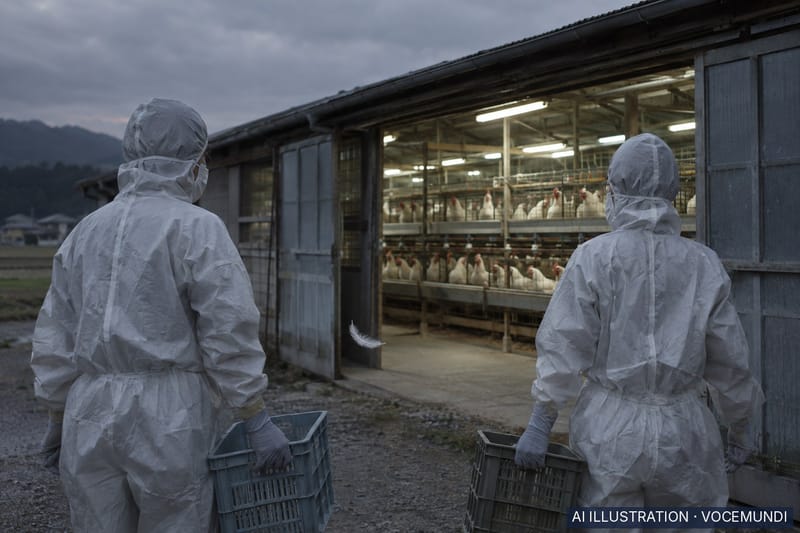
Japan detects second bird flu outbreak of season; about 40,000 chickens to be culled
Japan has recorded its second bird flu outbreak of the current season, and about 40,000 chickens are to be culled, according to Anadolu Agency and The Japan Times.

Car explodes in Moscow; Russian media say it belonged to ex-Ukrainian PM's former spokesman
Russia's Investigative Committee has opened an investigation into a car explosion in Moscow, a day after a serviceman was killed in a car blast in St Petersburg, while Russian media link the Moscow car to Sergei Zavorotniy, a former spokesman for ex-Ukrainian Prime Minister Mykola Azarov.

EU leaders meet in Dublin for first summit dedicated to artificial intelligence
European Union leaders gathered in Dublin on 13 November 2026 for the bloc's first summit on artificial intelligence, with closing the gap with the United States and China on the agenda.
Comments