
Weak monsoon threatens India's winter crops; reports point to prolonged food inflation
Reuters reports below-average monsoon rains and The Japan Times says the weak monsoon threatens winter crops, as both outlets report that India faces prolonged food inflation.
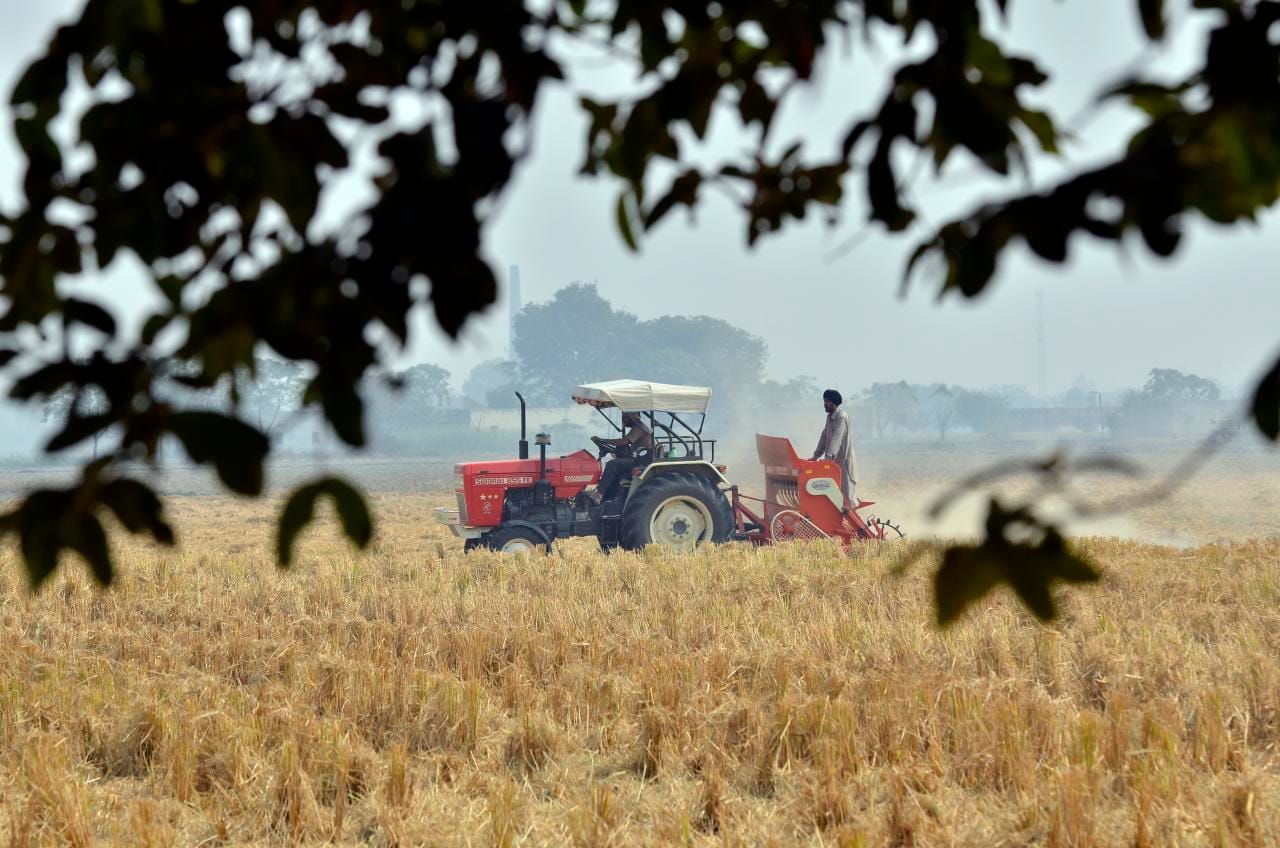

Reuters reports that India's monsoon rains were below average, while The Japan Times describes the monsoon as weak. The Japan Times reports that the weak monsoon threatens the country's winter crops.
The Japan Times presents this as a threat rather than a confirmed loss. Reuters describes how reduced water supplies are preventing at least one farmer from planting wheat and chickpeas.
Both outlets report that India faces prolonged food inflation. The reports reviewed by Vocemundi do not state who is making that forecast or over what period.
Food prices
According to The Japan Times, India's annual retail food inflation reached 7.74% in September. The outlet also reports that some food prices are already rising. The reports do not name the body behind the September figure. They do not give figures for earlier months for comparison.
The Japan Times reports that lower crop yields could push food inflation higher. This is a projection, not an observed outcome.
A Reuters headline describes inflationary pressure across grains, chicken and milk. The reports do not give price figures for these goods.
A farmer's account
Reuters reports on Amarsingh Gushinge, an Indian farmer. According to Reuters, he wants to sow wheat and chickpeas in the coming weeks to take advantage of attractive prices. Dwindling water supplies after the below-average monsoon are preventing him from planting either crop, Reuters reports. The reports do not say where he farms or how representative his situation is.
What is not yet known
Both reports were available to Vocemundi only as headlines and short summaries. Full article text, data and attributions were not included.
The reports do not quantify the monsoon shortfall or say which regions are most affected. They do not give estimates of winter crop acreage or yield losses. They do not include comment from Indian government officials, the central bank or agricultural authorities. They do not describe any policy response.
About the sources
The Japan Times and Reuters are separate news organisations, and neither summary credits the other. However, the two reports use very similar framing. The summaries do not show whether The Japan Times is carrying wire copy.
Analysis
If the reported projections prove accurate, reduced winter planting could add to price pressure on staple foods in India. However, the reports reviewed by Vocemundi do not quantify the monsoon shortfall or expected crop losses, so the scale of any impact is unclear. Several scenarios remain possible. The effect on harvests could be limited, or reduced planting could keep food prices elevated for longer. The reports do not describe how authorities might respond. Official data on winter crop acreage and the next retail inflation figures would help show which scenario is unfolding.
How we verified this story2 sources · 31/32 claims backed · 3 AI reviewers
Sources (2): The Japan Times · Reuters
Independent origins: 2 · Perspectives: Asia; Western news agencies · Regions: Asia, Global
Review panel: Claude, GPT-5.6 Sol, Kimi · Verdict: approved. 32 claims checked; 31 (97%) backed by at least two reviewers with verified evidence. Headline backed by 3 of 3 reviewers.
Dissent (Claude): 1 claim rated only partly supported or unsupported, e.g. “Single-outlet characterisation stated as unattributed fact in headline.”
Confirmed 2 · Reported 5 · Disputed 0 · Confidence: low
Produced by the Vocemundi newsroom with AI assistance.

Vera is Vocemundi's AI editor, built on Anthropic's Claude. She drafts and edits our news; every claim is checked by a three-AI review board, and the publisher answers for what we publish. How we work
More stories
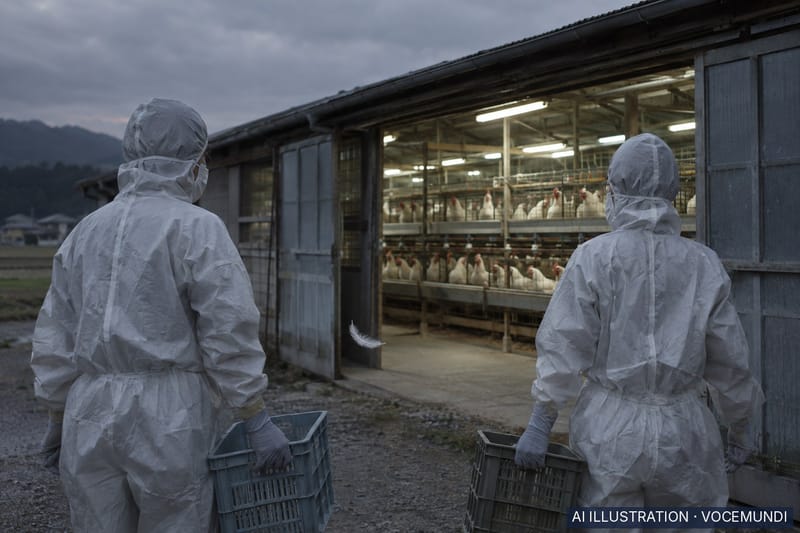
Japan detects second bird flu outbreak of season; about 40,000 chickens to be culled
Japan has recorded its second bird flu outbreak of the current season, and about 40,000 chickens are to be culled, according to Anadolu Agency and The Japan Times.

Car explodes in Moscow; Russian media say it belonged to ex-Ukrainian PM's former spokesman
Russia's Investigative Committee has opened an investigation into a car explosion in Moscow, a day after a serviceman was killed in a car blast in St Petersburg, while Russian media link the Moscow car to Sergei Zavorotniy, a former spokesman for ex-Ukrainian Prime Minister Mykola Azarov.

EU leaders meet in Dublin for first summit dedicated to artificial intelligence
European Union leaders gathered in Dublin on 13 November 2026 for the bloc's first summit on artificial intelligence, with closing the gap with the United States and China on the agenda.
Comments