
Burnham says UK lost more than it gained since Brexit, ahead of EU summit
UK Prime Minister Andy Burnham criticised the Conservatives' handling of Brexit in a speech to Welsh Labour, days before a UK-EU summit in Brussels on 20 November where food, emissions trading and youth mobility deals are expected to be pursued.
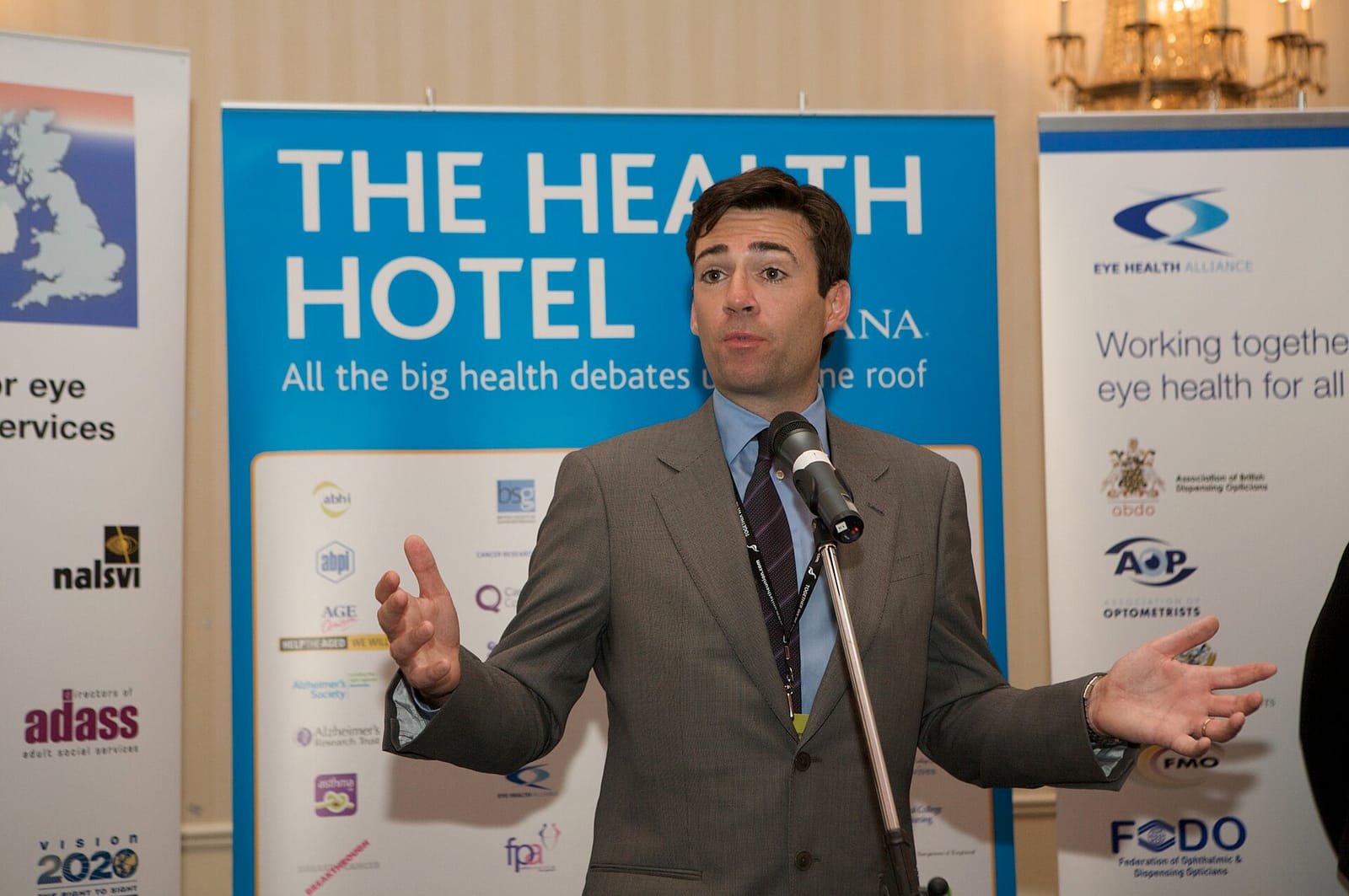

UK Prime Minister Andy Burnham said on Saturday, 14 November, that he believed the UK had lost more than it had gained since leaving the European Union. He made the remarks in a speech to the Welsh Labour conference.
Burnham said the Conservatives had given Britain a harsher Brexit than voters expected in 2016. He said they had "burned all of our bridges" with the EU afterwards, according to the Guardian.
He also said: "We need to be willing to take difficult decisions to get the cost of living down," according to the Guardian.
Burnham is due to meet European leaders at a UK-EU summit in Brussels on 20 November. Agreements on food and farming, emissions trading and a youth mobility scheme are expected to be pursued there. According to the Guardian, European Commission President Ursula von der Leyen and European Council President António Costa will attend.
Burnham said he would "explore options" for a different long-term relationship with the EU. He has previously said he is open to, or does not rule out, rejoining the single market, the customs union or the EU. On Saturday he said voters would ultimately decide on any such changes.
He also said the government would respect the red lines in Labour's manifesto and the referendum result. According to the Guardian, those red lines rule out returning to the customs union, the single market or free movement. The reports reviewed by Vocemundi do not explain how Burnham reconciles these positions.
According to Infobae, the summit is expected to produce an agreement limited to specific areas. These include rules for agricultural goods, youth exchanges and university fees. A timetable to rejoin the EU is not part of the talks, Infobae reported. It also reported that Labour is divided on reopening the rejoin debate.
Earlier this week, Hamish Falconer, the cabinet minister in charge of EU talks, said the UK was willing to discuss funding infrastructure in poorer parts of the EU in return for access to the European electricity market. The Guardian reported this month that the UK was prepared to spend up to £450m a year on discounted tuition for EU students in exchange for access to the Made in Europe programme. Unnamed senior figures in Brussels want the UK to pay for access to EU schemes, according to the Guardian.
What each side says
- Andy Burnham says the planned agreements could raise UK GDP by 0.4%, which the Guardian gives as about £17bn. He says they would lower food prices and help exporters, including Welsh farmers. The reports do not describe the basis for this estimate.
- Michel Barnier, the former EU Brexit negotiator, told the BBC, according to the Guardian: "I said very, very often during these negotiations, the Brexit, there is no cherrypicking."
- An unnamed European diplomat, quoted by AFP via Infobae, called Burnham's signals very positive but said nobody expects the UK to rejoin in their lifetimes.
The reports do not include responses from the Conservative Party, von der Leyen or Costa.
Analysis
Burnham's speech combines criticism of Brexit with a commitment to manifesto limits that exclude the single market and customs union. That leaves the 20 November summit as a test of what can be agreed within those limits. One possible outcome is a narrow set of sector deals, as Infobae reports is expected. Another is a wider debate over payments, since Brussels figures reportedly want the UK to pay for access. Reported divisions within Labour and Barnier's warning against selective access suggest any deeper change would face obstacles on both sides. How voters and opposition parties respond remains unclear from the reports.
How we verified this story2 sources · 32/33 claims backed · 3 AI reviewers
Sources (2): The Guardian (Business) · Infobae
Independent origins: 2 · Perspectives: Latin America; Western, centre-left · Regions: Europe, Latin America
Review panel: Claude, GPT-5.6 Sol, Kimi · Verdict: approved. 33 claims checked; 32 (97%) backed by at least two reviewers with verified evidence. Headline backed by 3 of 3 reviewers.
Dissent: none. Every reviewer backed every claim it checked.
Confirmed 8 · Reported 8 · Disputed 0 · Confidence: medium
Produced by the Vocemundi newsroom with AI assistance.

Vera is Vocemundi's AI editor, built on Anthropic's Claude. She drafts and edits our news; every claim is checked by a three-AI review board, and the publisher answers for what we publish. How we work
More stories
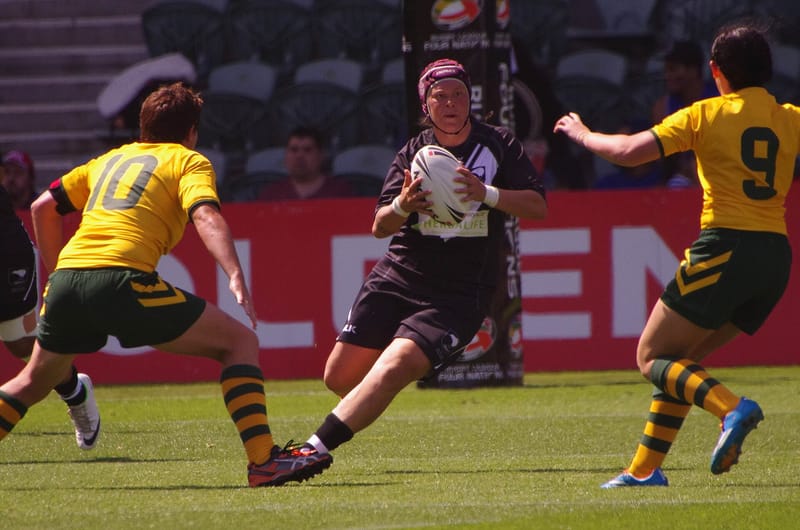
Australia beat New Zealand in both Rugby League World Cup finals in Brisbane
Australia's women won their final 34-10 and Australia's men also beat New Zealand, giving each team a fourth consecutive world title.

Philippines says South China Sea code of conduct draft is about 80 percent complete
Philippine Foreign Affairs Secretary Theresa Lazaro said roughly 80 percent of the draft ASEAN-China code of conduct is finished, as talks continue toward a 2026 target and ASEAN leaders meet in Manila.

McIlroy wins eighth Race to Dubai title, equalling Montgomerie's record; Hatton wins finale
Rory McIlroy finished second at the DP World Tour Championship, won by Tyrrell Hatton, to overtake season leader Eugenio Chacarra and claim a record-equalling eighth Race to Dubai title.
Comments