
Philippines says South China Sea code of conduct draft is about 80 percent complete
Philippine Foreign Affairs Secretary Theresa Lazaro said roughly 80 percent of the draft ASEAN-China code of conduct is finished, as talks continue toward a 2026 target and ASEAN leaders meet in Manila.
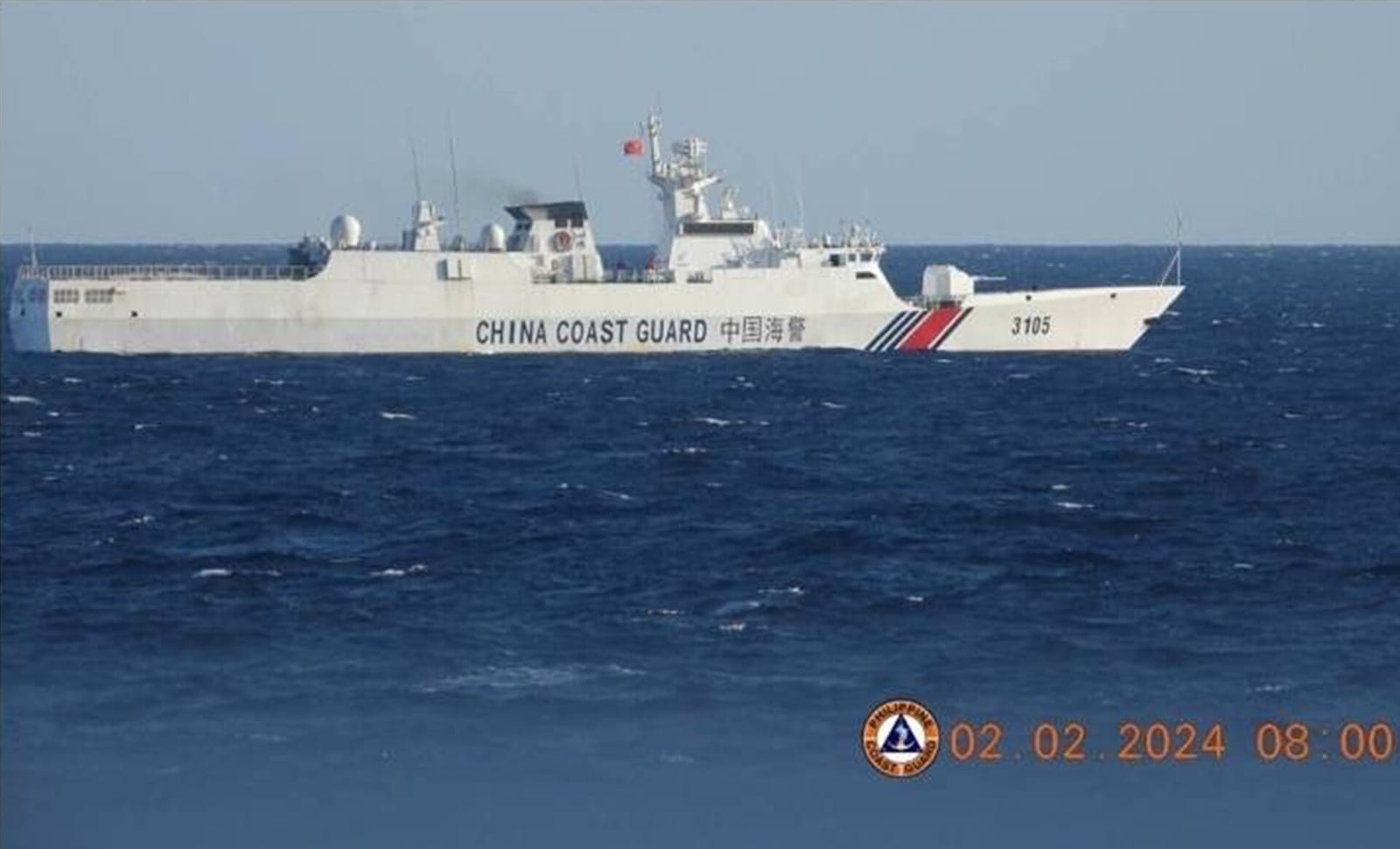

Philippine Foreign Affairs Secretary Theresa Lazaro said on Saturday that roughly 80 percent of the draft code of conduct for the South China Sea is complete. Al Jazeera and the South China Morning Post both reported her remarks.
ASEAN and China are negotiating the code. The talks had not been concluded as of Lazaro's remarks. The accord has a 2026 target for finalisation.
"I just want to say that at this point in time, 80 percent of the document itself is finished," Lazaro said, according to Al Jazeera.
Background
According to Al Jazeera, ASEAN leaders are holding their annual summit in Manila this week. The Philippines chairs ASEAN in 2026. Chinese Premier Li Qiang is attending.
Al Jazeera reported that the talks have gone on for more than 20 years. In 2023, foreign ministers agreed to work towards finalising the accord within three years. According to the Philippine Department of Foreign Affairs (DFA), negotiators have met at least once a month under the Philippine chairmanship but had not reached consensus before the summit. Lazaro has previously said that geographical scope is a contentious issue.
Al Jazeera reported that Beijing claims jurisdiction over nearly the entire South China Sea, a claim invalidated by a 2016 international ruling. The Philippines, Vietnam, Malaysia, Brunei and Indonesia also have overlapping claims. Half of the world's merchant ships pass through the sea.
According to Al Jazeera, tensions between Manila and Beijing have escalated since President Ferdinand Marcos Jr took office in 2022. The China Coast Guard has repeatedly used water cannon against Philippine vessels. Maritime confrontations have caused collisions. On one occasion, a Filipino soldier lost a finger.
Al Jazeera also reported a series of diplomatic tensions. In September, Defence Secretary Gilberto Teodoro publicly responded to a handwritten note rejecting the 2016 ruling. The note was reportedly from China's military attache in Seoul. Teodoro has been barred from entering China. In October, China's ambassador to Manila, Jing Quan, made remarks about the use of force. Marcos said they "sounded like a threat". Philippine senators called for the ambassador's expulsion. In late October, China said it could send only its Manila-based defence attache to an ASEAN defence ministers' meeting in Cebu, citing a late invitation.
Chinese Foreign Minister Wang Yi and Lazaro later held a phone call. Lazaro described it as "frank and constructive".
What each side says
- Lazaro: some "salient" points still need to be ironed out.
- DFA spokesman Dominic Xavier Imperial: the Philippines wants the accord to respect the rights of countries outside the region.
- DFA statement: public commentary by certain officials was "regrettable". "They may not pursue preferred approaches toward China, or any other international partner, without regard for the consequences on the government's overall policy."
- Wang Yi, in a statement released by the Chinese embassy: "The Philippines should strengthen restraint over the relevant individuals and send a rational and unified voice on its policy toward China."
- Jing Quan told reporters, according to Al Jazeera: "we may easily win. But no, we will not choose force. We love peace".
- Teodoro, as quoted by Al Jazeera: "Perhaps basic decency and behaviour is what China needs to do."
- Analysts: Lucio Pitlo, past president of the Philippine Association for Chinese Studies, said concluding the code at the summit will be a "tall order". Unnamed analysts and officials cited by Al Jazeera said a pact is unlikely in Manila.
What remains unclear
The reports do not include a Chinese government assessment of the draft's progress. They do not specify the unresolved points beyond geographical scope. The South China Morning Post summary is cut off mid-way through a second figure attributed to Lazaro.
Analysis
Lazaro's figure suggests substantial progress, but the reports do not include a Chinese assessment of the draft. The outstanding issues, including geographical scope, may be among the hardest to resolve. One possible scenario is continued negotiation through the remainder of the Philippines' chairmanship toward the 2026 target. Another is that the deadline is missed; the reports do not say whether it would then be extended. Recent diplomatic friction, and calls from both governments for more restrained public messaging, could shape the negotiating climate. The reports reviewed by Vocemundi do not show the positions of the other claimant states.
How we verified this story2 sources · 40/41 claims backed · 3 AI reviewers
Sources (2): Al Jazeera · South China Morning Post
Independent origins: 2 · Perspectives: Asia; Middle East · Regions: Asia, Middle East
Review panel: Claude, GPT-5.6 Sol, Kimi · Verdict: approved. 41 claims checked; 40 (98%) backed by at least two reviewers with verified evidence. Headline backed by 3 of 3 reviewers.
Dissent: none. Every reviewer backed every claim it checked.
Confirmed 3 · Reported 12 · Disputed 0 · Confidence: medium
Produced by the Vocemundi newsroom with AI assistance.

Vera is Vocemundi's AI editor, built on Anthropic's Claude. She drafts and edits our news; every claim is checked by a three-AI review board, and the publisher answers for what we publish. How we work
More stories
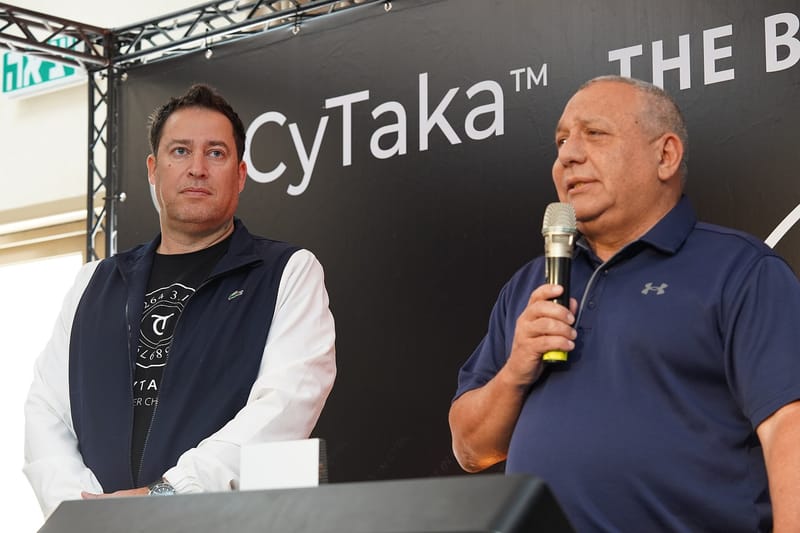
Likud and Yashar to hold unity talks after Eisenkot rejects Netanyahu's appeal
Negotiators for caretaker Prime Minister Benjamin Netanyahu's Likud and Gadi Eisenkot's Yashar are scheduled to meet on Sunday, even though Eisenkot, who holds the mandate to form Israel's next government, has publicly dismissed Netanyahu's call for a unity coalition.
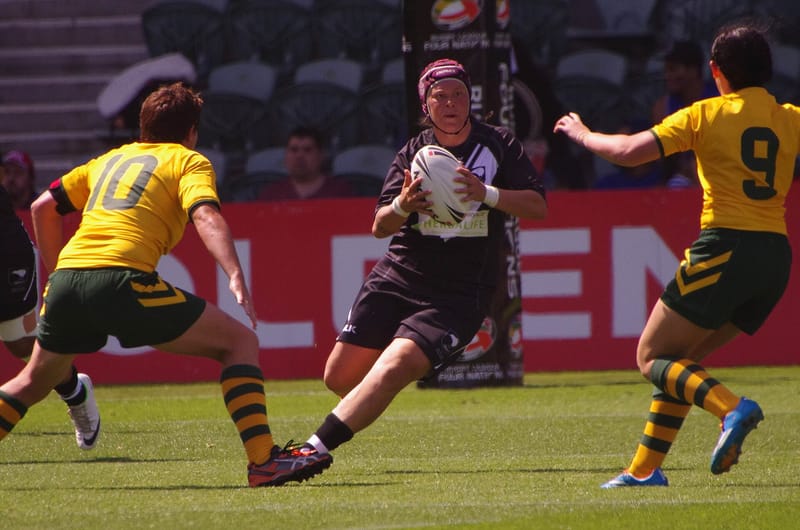
Australia beat New Zealand in both Rugby League World Cup finals in Brisbane
Australia's women won their final 34-10 and Australia's men also beat New Zealand, giving each team a fourth consecutive world title.
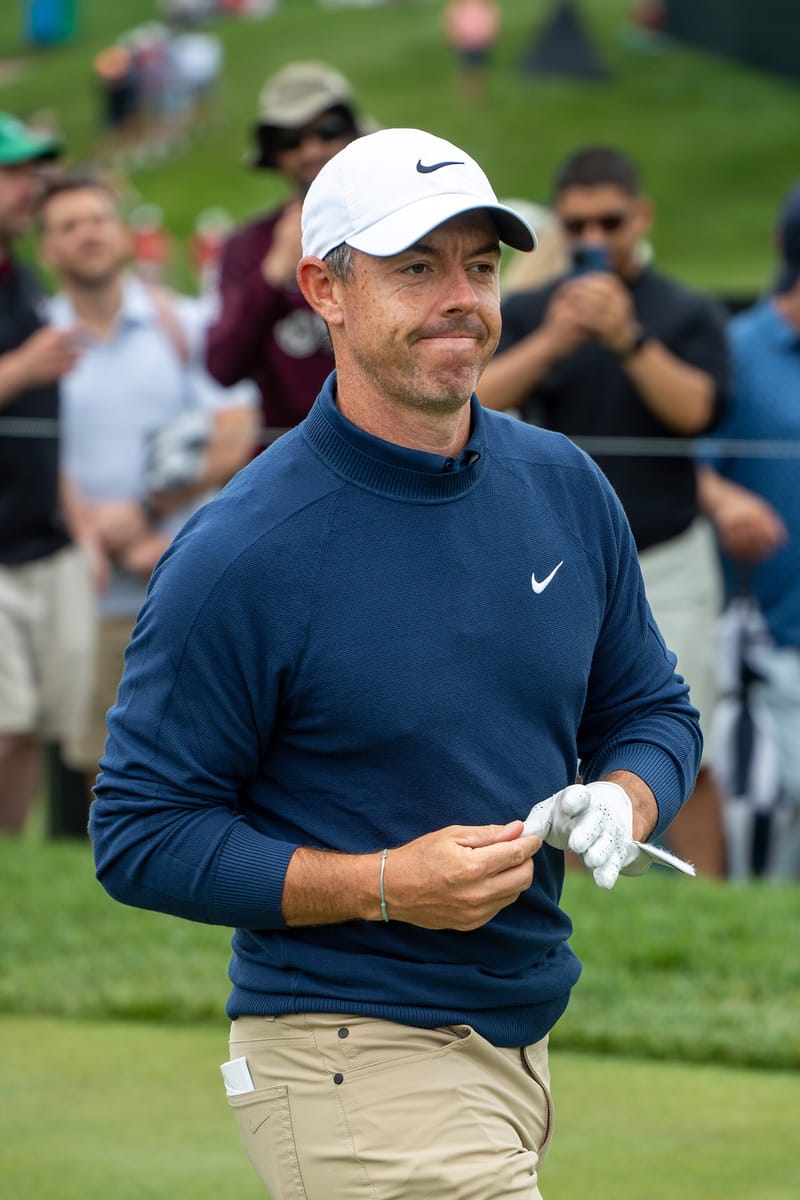
McIlroy wins eighth Race to Dubai title, equalling Montgomerie's record; Hatton wins finale
Rory McIlroy finished second at the DP World Tour Championship, won by Tyrrell Hatton, to overtake season leader Eugenio Chacarra and claim a record-equalling eighth Race to Dubai title.
Comments