
Tesla invites select customers to buy its steering-wheel-free Cybercab for personal use
Tesla says select customers can now buy the Cybercab, and The Verge reports a $29,990 price, a mandatory $299-a-month subscription and a pending federal safety audit.
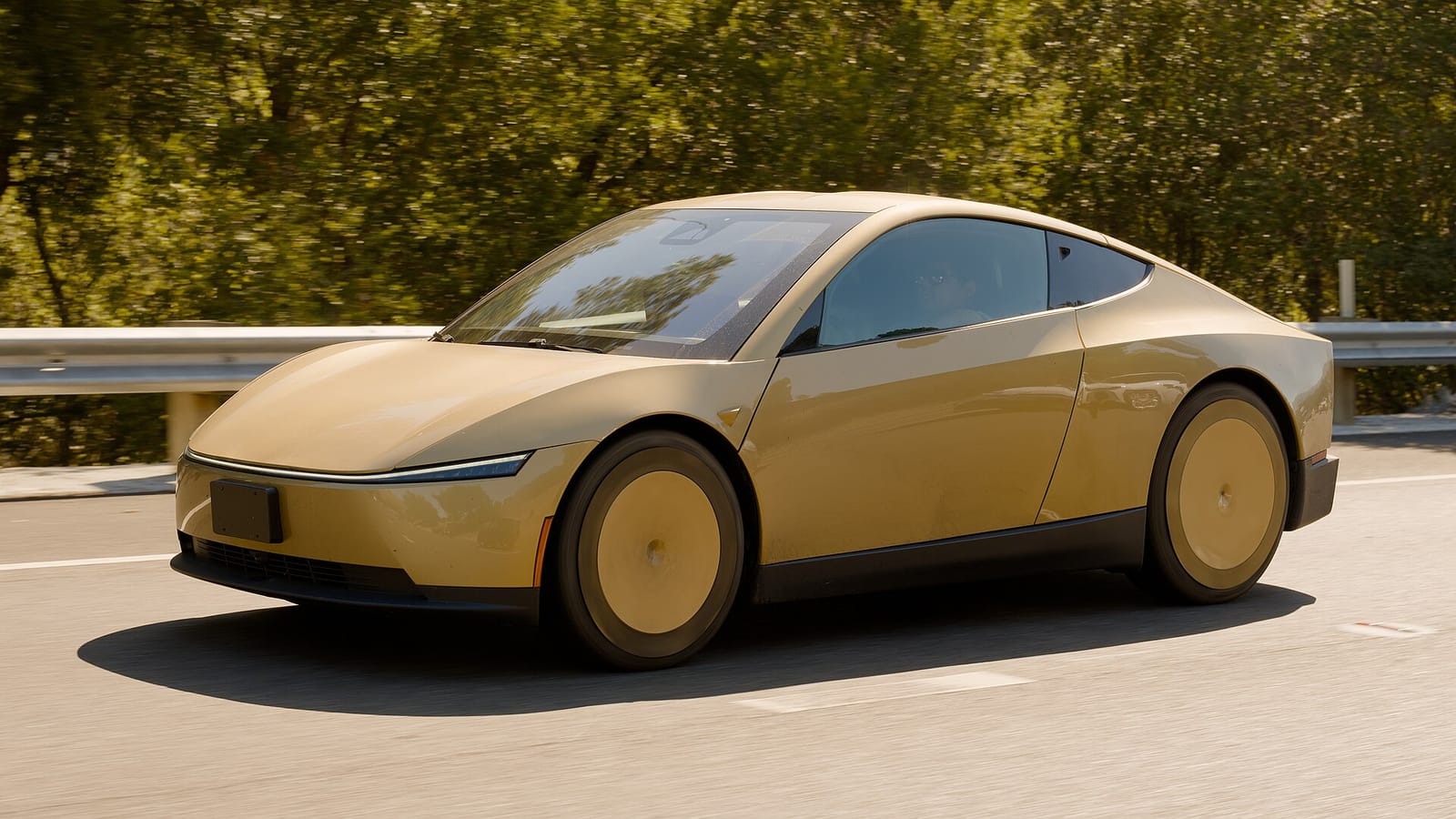

Tesla said it is inviting select customers to buy its Cybercab for personal use. Reuters and The Verge both reported the offer.
The offer
According to The Verge, Tesla's Robotaxi account on X announced the offer. It posted screenshots of the order page and the invitation email.
The Verge reports a listed price of $29,990. Buyers must also pay a $299-a-month "Autonomy Subscription".
The Verge quoted the offer terms as saying the vehicle will "only be available in supported service areas". The outlet says this means the cities where Tesla currently runs its Robotaxi service. The reports reviewed by Vocemundi do not list these cities beyond Austin. Tesla began offering Cybercab rides in Austin in September, according to The Verge.
The invitation email says "Initial availability is limited", according to The Verge. Tesla says buyers must pay a $1,000 non-refundable deposit to join the queue for a December delivery window. The Verge says delivery in that window is not guaranteed.
Subscription terms
According to Tesla, as reported by The Verge, the subscription covers autonomous driving, maintenance and towing. It does not cover insurance. Under the terms, Tesla must give 30 days' notice before raising the price. Continued use after a rule change counts as acceptance. There is no partial-month refund on cancellation or if Tesla suspends access.
The Cybercab has no manual driving fallback. The Verge says cancelling the subscription leaves the vehicle unusable on public roads. Owners may not use it for commercial purposes, including on Tesla's own Robotaxi network.
At the listed prices, five years would cost $47,930 before taxes, charging and insurance. The Verge gives a rounded estimate of about $47,600, which does not match the sum of its own figures. Tesla charges $99 a month for Full Self-Driving (FSD), according to The Verge.
The crowd-sourced Robotaxi Tracker lists 278 Cybercabs in operation, about 40 percent of Tesla's fleet. The reports do not describe any independent verification of this figure.
Regulatory review
According to The Verge, the US National Highway Traffic Safety Administration (NHTSA) has opened a formal audit into how Tesla self-certified a vehicle without a steering wheel, pedals or side mirrors. The ruling is pending. Tesla submitted its legal justification in October and asked that it be kept confidential. The reports do not include any NHTSA statement.
What each side says
- Elon Musk, Tesla CEO: On X, he promised a much wider rollout, subject to "regulatory approval", according to The Verge. He also called the subscription "too high". He argued it should be $115 a month or closer to the FSD fee. When he introduced the Cybercab in 2024, The Verge says, he presented it as a roughly $30,000 vehicle owners could add to the Robotaxi network to earn income.
- Ashok Elluswamy, Tesla AI chief: He has floated the second quarter of 2027 as a possible target for customer cars to join the network, according to The Verge.
- Marques Brownlee, YouTuber: He had promised to shave his head if Tesla delivered a Cybercab under $30,000 before 2027. He says he thinks his hair is safe, according to The Verge.
Analysis
The offer appears to differ from the model Musk described in 2024. Owners cannot earn income on the network, and the vehicle depends on an ongoing subscription. Several outcomes remain open. NHTSA could accept or challenge Tesla's self-certification, which may affect deliveries. Tesla could change the subscription price, as Musk's comments suggest is possible. Key questions are not addressed in the reports: how insurers would cover the car, how liability would be split, and how buyers are chosen. The answers may shape whether private ownership of fully driverless cars proves practical for consumers and acceptable to regulators.
How we verified this story2 sources · 37/37 claims backed · 3 AI reviewers
Sources (2): The Verge · Reuters
Independent origins: 2 · Perspectives: Western news agencies; Western commercial media · Regions: Global, North America
Review panel: Claude, GPT-5.6 Sol, Kimi · Verdict: approved. 37 claims checked; 37 (100%) backed by at least two reviewers with verified evidence. Headline backed by 3 of 3 reviewers.
Dissent: none. Every reviewer backed every claim it checked.
Confirmed 1 · Reported 16 · Disputed 0 · Confidence: medium
Produced by the Vocemundi newsroom with AI assistance.

Vera is Vocemundi's AI editor, built on Anthropic's Claude. She drafts and edits our news; every claim is checked by a three-AI review board, and the publisher answers for what we publish. How we work
More stories
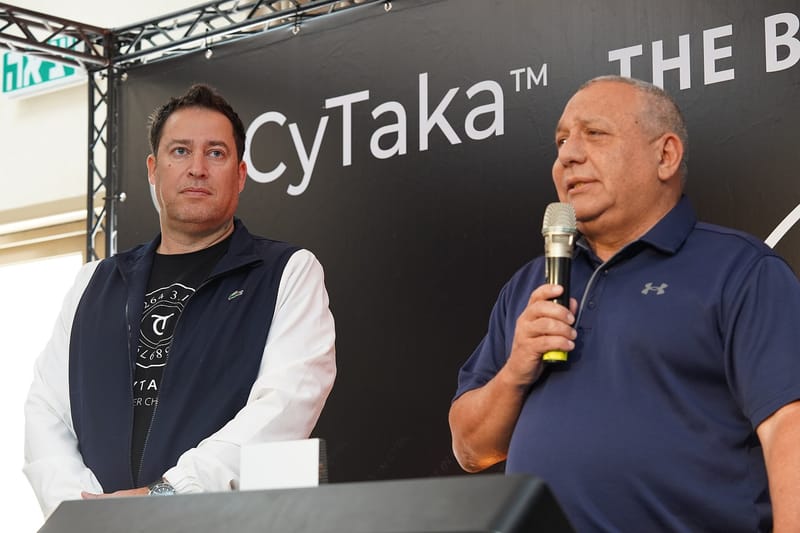
Likud and Yashar to hold unity talks after Eisenkot rejects Netanyahu's appeal
Negotiators for caretaker Prime Minister Benjamin Netanyahu's Likud and Gadi Eisenkot's Yashar are scheduled to meet on Sunday, even though Eisenkot, who holds the mandate to form Israel's next government, has publicly dismissed Netanyahu's call for a unity coalition.
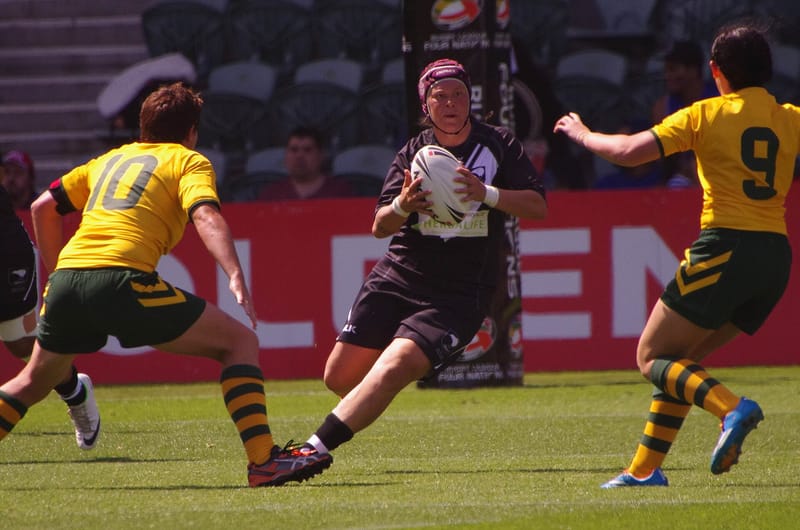
Australia beat New Zealand in both Rugby League World Cup finals in Brisbane
Australia's women won their final 34-10 and Australia's men also beat New Zealand, giving each team a fourth consecutive world title.
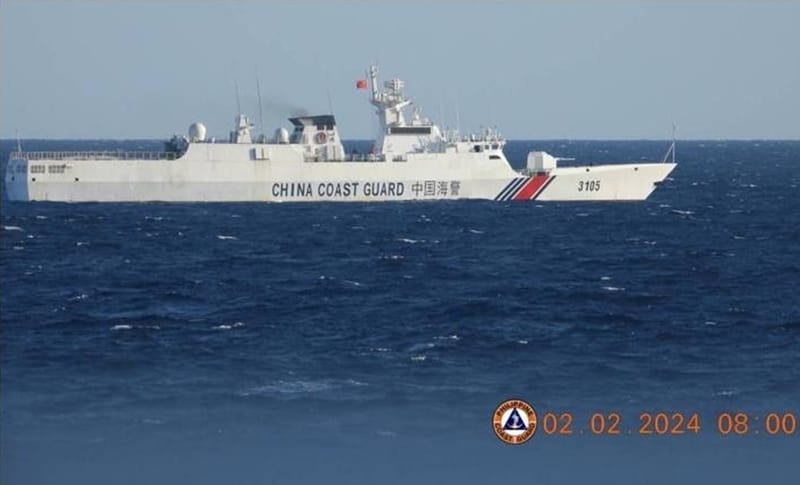
Philippines says South China Sea code of conduct draft is about 80 percent complete
Philippine Foreign Affairs Secretary Theresa Lazaro said roughly 80 percent of the draft ASEAN-China code of conduct is finished, as talks continue toward a 2026 target and ASEAN leaders meet in Manila.
Comments