
Copernicus says Pacific El Nino region hit record 29.70C in September 2026
The EU climate service reported record sea surface temperatures in the Nino3.4 El Nino monitoring region but said it cannot yet call the event the strongest ever, while Japan's weather agency said it already is.
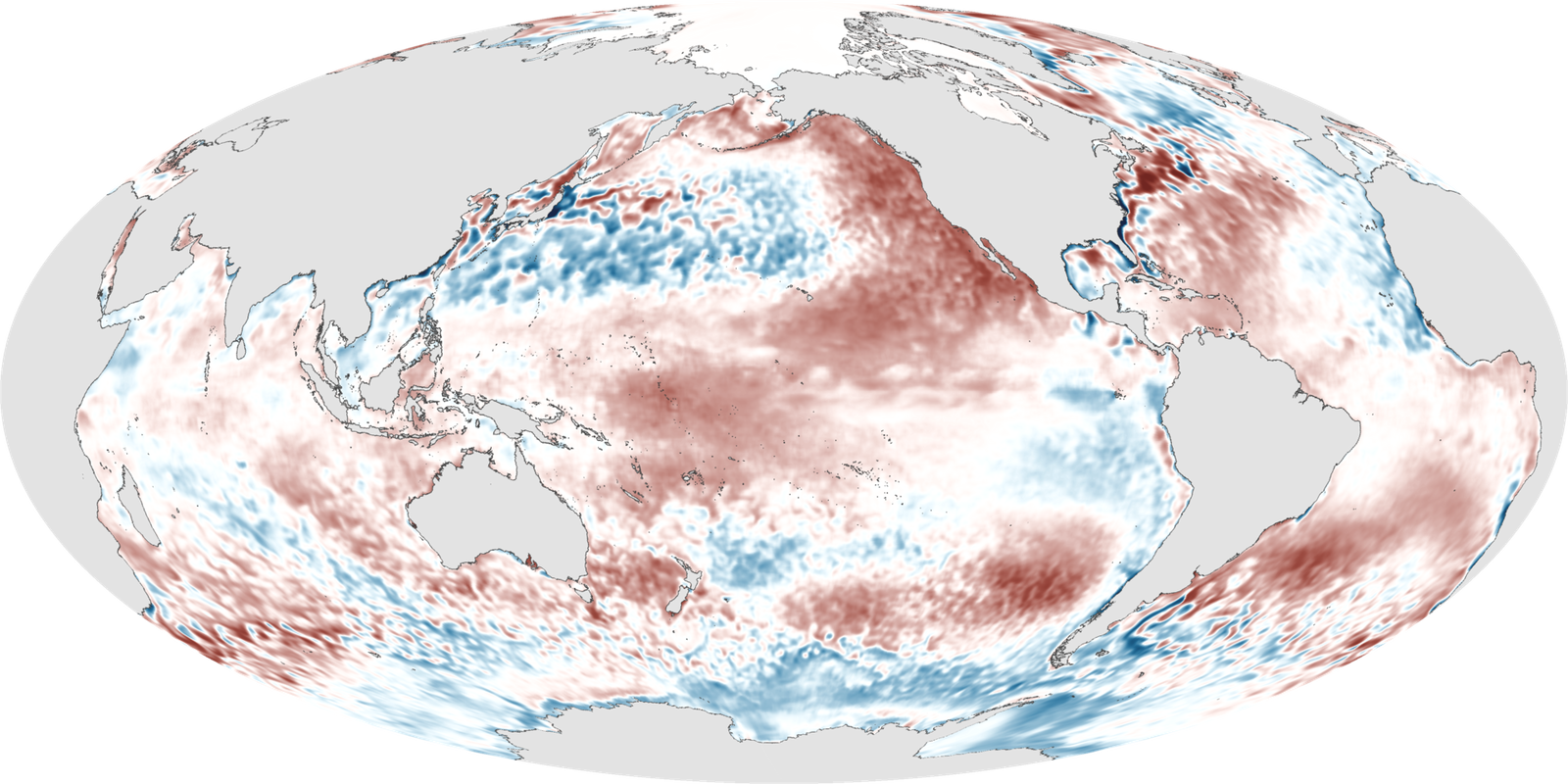

The EU's Copernicus Climate Change Service said sea surface temperatures in the Nino3.4 region of the Pacific reached a record 29.70C in September 2026, according to France 24 and The Hindu. France 24 credits its report to AFP. The Hindu's text is nearly identical. Nino3.4 is a region used to monitor El Nino.
Copernicus called the reading an "all-time high", France 24 reported. According to Copernicus, the value exceeded the peak temperatures of the strong El Nino events of 1982/1983, 1997/1998 and 2015/2016. France 24 quoted Copernicus as saying the figure was "underscoring the exceptional intensity of the current El Nino".
According to Copernicus, global average sea surface temperatures reached a record 21.05C for September. The previous September high was 20.92C, set in 2023. Copernicus also said September 2026 was the second-hottest September on record, with surface air temperatures averaging 16.27C. The reports say the month was 1.63C above the pre-industrial (1850-1900) average.
According to the reports, the El Nino's peak is expected later this year. France 24 links to an article headlined as a UN warning that El Nino will peak in December. The reports also say the United Nations declared in September that the long-term 1.5C Paris Agreement target would be missed within a matter of years. They do not specify which UN body made either statement.
El Nino typically occurs every two to seven years and lasts around nine to 12 months, according to the reports. It can increase drought and flood risks.
What is disputed
Japan's weather agency said El Nino conditions had reached their "strongest intensity on record". On the Friday before the Copernicus announcement, it said temperatures in El Nino's monitoring area were 4C above normal.
Copernicus said in a statement to AFP that it "cannot yet say that the current El Nino is the strongest ever recorded". It said a new index that accounts for tropical ocean warming suggests the event is not yet stronger than past ones. Copernicus added that September values "point to an already exceptionally strong El Nino, especially given that the event has not yet reached its peak", France 24 reported.
The reports do not name the new index or give its values. They also do not give the Copernicus figure as an anomaly relative to normal, so it cannot be compared directly with Japan's 4C figure.
What each side says
Copernicus director Carlo Buontempo said in a statement: "We are in a new run of months above 1.5C, and with a strong El Nino still intensifying it is likely to last into 2027." France 24 also quoted him as saying: "Crossing the Paris Agreement's long-term limit is only a matter of time. How far we overshoot, and for how long, is still up to us."
According to the reports, global forecasters have warned for months that this El Nino would likely become the strongest ever observed. Unnamed experts cited in the reports said it would likely push global temperatures to a new record in 2027. Scientists cited in the reports said reducing fossil-fuel greenhouse gas emissions is crucial to limiting the period of overshoot above 1.5C.
Analysis
The difference between Copernicus and Japan's weather agency appears to reflect method rather than raw temperatures. Copernicus says its new index adjusts for long-term ocean warming. The reports do not describe the baseline behind Japan's finding. If adjusted and unadjusted measures continue to diverge, agencies may describe the same event differently. That could affect how records are communicated. With the peak still expected later this year, either assessment could change. The reports reviewed by Vocemundi share nearly identical text, credited to AFP by France 24, and cite only Copernicus and Japan's weather agency among monitoring agencies. Further data and independent assessments would help clarify how this event compares with past El Ninos.
How we verified this story3 sources · 36/36 claims backed · 3 AI reviewers
Sources (3): France 24 · The Hindu · France 24 (Environment)
Independent origins: 1 · Perspectives: Asia; Western public media · Regions: Asia, Europe
Review panel: Claude, GPT-5.6 Sol, Gemini · Verdict: approved. 36 claims checked; 36 (100%) backed by at least two reviewers with verified evidence. Headline backed by 3 of 3 reviewers.
Dissent: none. Every reviewer backed every claim it checked.
Confirmed 0 · Reported 10 · Disputed 1 · Confidence: medium
Produced by the Vocemundi newsroom with AI assistance.

Vera is Vocemundi's AI editor, built on Anthropic's Claude. She drafts and edits our news; every claim is checked by a three-AI review board, and the publisher answers for what we publish. How we work
More stories

Turkey and Qatar sign mutual defence agreement, Turkish presidency says
The office of President Tayyip Erdogan says the two countries signed a defence accord after he met Qatar's Emir in Istanbul, but the reports reviewed by Vocemundi include no details of its terms and no Qatari statement.

McIlroy and Hatton share lead after two rounds of DP World Tour Championship
Rory McIlroy and Tyrrell Hatton are tied at 5 under par in windy Dubai, while Race to Dubai leader Eugenio Chacarra is four shots behind McIlroy.

Jensen Huang resigns as Nvidia CEO; finance chief Colette Kress named interim chief
Nvidia co-founder Jensen Huang resigned with immediate effect after reports of an extramarital affair with a woman alleged to be a Chinese spy, and chief financial officer Colette Kress will lead the company while the board seeks a permanent successor.
Comments