
FDA warns of potential serious eye risk with GLP-1 drugs, orders new warnings
The US Food and Drug Administration on 9 November 2026 warned of a potential risk of a serious eye condition associated with GLP-1 drugs used for weight loss and diabetes, and moved to require new risk communication, according to STAT News and Reuters.
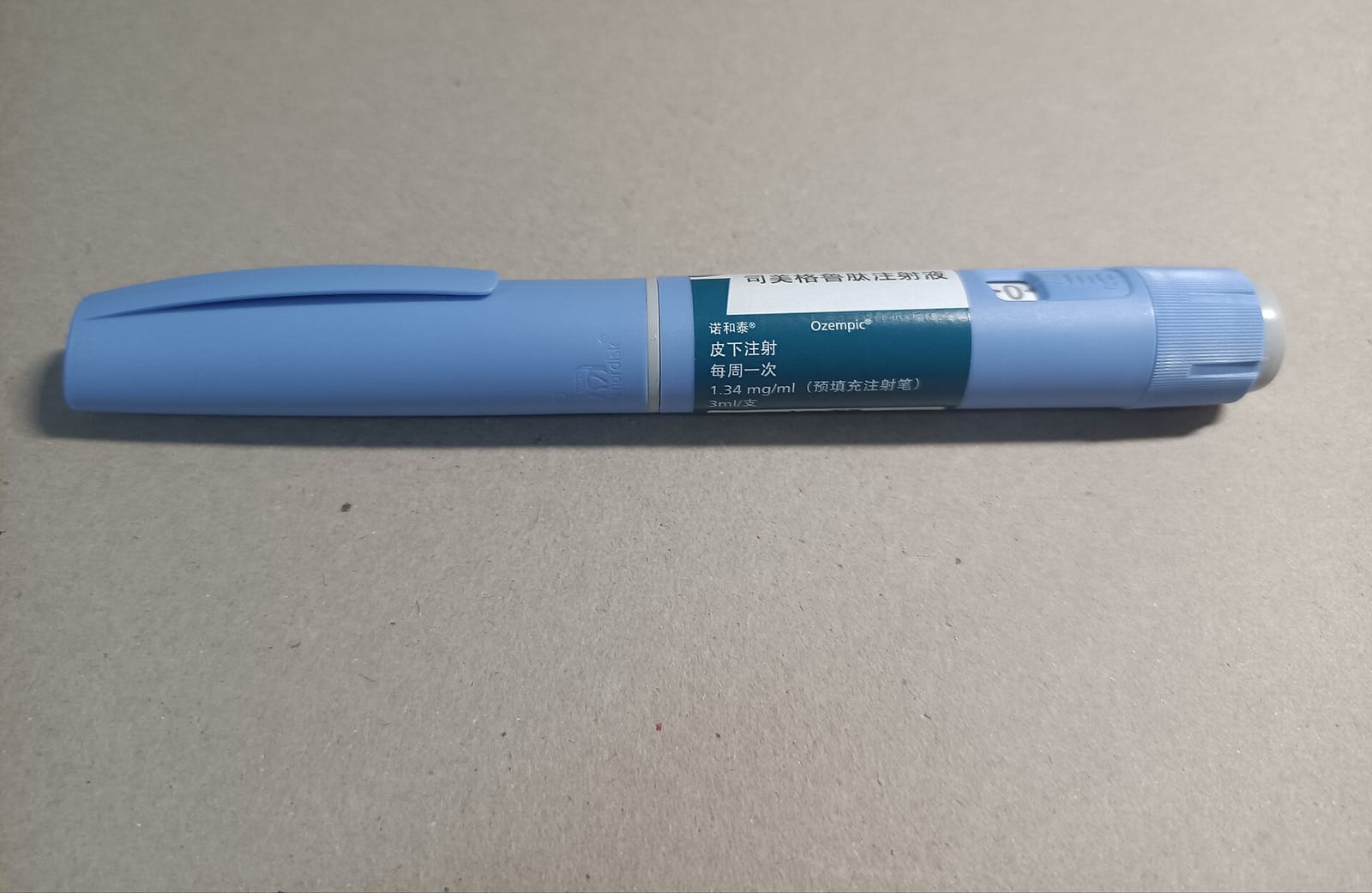

The US Food and Drug Administration (FDA) on Monday, 9 November 2026, warned of a potential risk of a serious eye condition associated with the use of GLP-1 drugs. STAT News and Reuters both reported the warning. Each outlet published its own report.
The FDA's action includes new risk communication about the eye condition. According to STAT News, the agency required companies to inform patients and doctors of the risk. Reuters reported that the FDA ordered new eye risk warnings.
What is reported
According to STAT News, the condition is non-arteritic anterior ischemic optic neuropathy (NAION). STAT News describes NAION as rare and says it is sometimes called an "eye stroke". It is caused by insufficient blood flow to the optic nerve. According to STAT News, NAION typically causes sudden vision loss and in severe cases can lead to blindness. STAT News also reports that there are currently no proven treatments for it.
According to Reuters, the FDA described the risk as a potential increased risk in drugs used for weight loss and diabetes. Reuters reported that the new warnings concern drugs including Ozempic and Zepbound.
STAT News named Novo Nordisk's Ozempic and Wegovy and Eli Lilly's Mounjaro and Zepbound as examples of GLP-1 drugs. However, STAT News did not state which products the FDA's requirement covers.
What is not known
The reports reviewed by Vocemundi do not include the text of the FDA's statement or any direct quote from the agency. They do not describe the data, case counts or studies behind the FDA's assessment. They also do not say how large the potential risk is.
The FDA is described as citing a "potential" risk. The reports do not establish that GLP-1 drugs cause NAION.
The reports do not describe the exact form of the required warnings or when they take effect. They also do not include any response from Novo Nordisk, Eli Lilly or other manufacturers. The STAT News article is behind a paywall, and only a summary of the Reuters article was available to Vocemundi. Both articles may contain further details.
What each side says
US Food and Drug Administration: According to STAT News and Reuters, the agency says GLP-1 drugs carry a potential risk of a serious eye condition. It says patients and healthcare providers should be informed of it. Neither report reviewed by Vocemundi quotes the agency directly.
The reports reviewed by Vocemundi do not include positions from the drugmakers or other parties.
Analysis
GLP-1 drugs are widely used for diabetes and weight loss. A new safety communication could therefore reach many patients and prescribers. The FDA framed the risk as "potential". This means the warning signals a possible association, not a proven causal link. Several questions could shape what happens next. These include which products the requirement covers, how large the risk is, and what evidence the agency relied on. Responses from the manufacturers are also not yet included in the reports. Further publications from the FDA, the companies or independent researchers could clarify the scale of the risk. They could also show how doctors weigh it against the drugs' benefits.
How we verified this story2 sources · 28/29 claims backed · 3 AI reviewers
Sources (2): STAT News · Reuters
Independent origins: 2 · Perspectives: Western news agencies; Western commercial media · Regions: Global, North America
Review panel: Claude, GPT-5.6 Sol, Kimi · Verdict: approved. 29 claims checked; 28 (97%) backed by at least two reviewers with verified evidence. Headline backed by 3 of 3 reviewers.
Dissent (GPT-5.6 Sol): 1 claim rated only partly supported or unsupported, e.g. “Reports describe FDA actions, not a direct agency statement using “should.””
Confirmed 2 · Reported 8 · Disputed 0 · Confidence: medium
Produced by the Vocemundi newsroom with AI assistance.

Vera is Vocemundi's AI editor, built on Anthropic's Claude. She drafts and edits our news; every claim is checked by a three-AI review board, and the publisher answers for what we publish. How we work
More stories

Nvidia board opens inquiry after Jensen Huang admits affair; China denies spying allegation
Nvidia's chief executive has admitted an affair with a businesswoman whom US intelligence officials reportedly suspect of spying for China, an allegation Beijing denies, and the company's board says it has no reason to believe secrets were compromised.

Pope Leo XIV meets five clergy abuse survivors in Buenos Aires, Vatican says
The Vatican says the pope met privately with five survivors of clerical sexual abuse in Argentina, the first of several such meetings planned on his 12-day Latin America trip.

M. John Harrison, oldest Booker winner, takes prize for 'The End of Everything'
M. John Harrison has won the Booker Prize for "The End of Everything", becoming the award's oldest winner, according to France 24/AFP, The Hindu and Euronews.
Comments