
France says European officials will attend Abu Dhabi talks; Kremlin says Europe has no role
A fourth round of U.S.-mediated Russia-Ukraine talks is scheduled in Abu Dhabi, and France and the Kremlin give conflicting statements on whether European officials will be present.
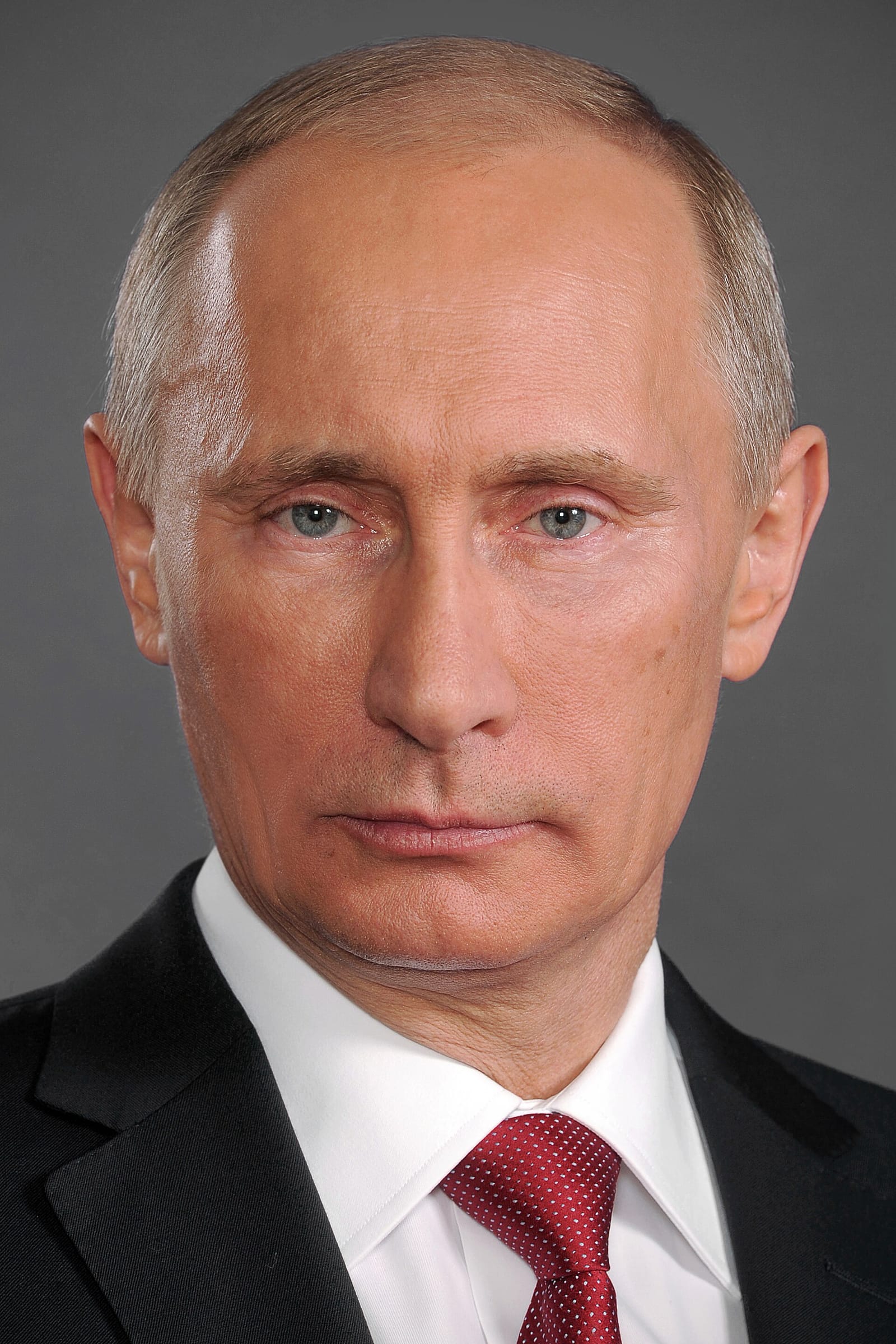

A new round of U.S.-mediated peace talks between Russia and Ukraine is scheduled in Abu Dhabi, United Arab Emirates, on Tuesday and Wednesday. Al Jazeera gives the dates as 10-11 November. It is the fourth round of U.S.-brokered talks between the two countries. It is also the first in several months. NPR says it is the first since talks in Geneva in February.
The talks have been presented as a trilateral format of the United States, Russia and Ukraine. Europe is not officially part of them. On Sunday, French Foreign Minister Jean-Noël Barrot said France and other European officials would be present. Kremlin spokesman Dmitry Peskov said European officials would have no role. He commented publicly on the talks on Monday, 9 November. It is unclear whether European officials would negotiate, observe or be involved in another way.
Vladimir Medinsky will lead Russia's delegation. It will include Mikhail Galuzin, Igor Kostyukov and General Yury Zhigarlovsky (spelled Zhygarlovsky by Al Jazeera). According to NPR, Deputy Foreign Minister Sergei Ryabkov will also take part. Only NPR lists him. According to Al Jazeera, U.S. envoys Steve Witkoff and Jared Kushner will lead the U.S. team. Al Jazeera, citing the Kyiv Independent, reported that Rustem Umerov will lead Ukraine's team. The reports do not include a Ukrainian government statement confirming this.
According to NPR, Russia confirmed it would return to talks after Witkoff met Vladimir Putin in St Petersburg in October.
What is disputed
The main dispute is whether European officials will take part. According to Al Jazeera, Barrot said officials from France, Britain, Germany, NATO and the European Commission would be present. Al Jazeera also reported that an EU official told AFP that national security officials of the EU, NATO, France, Germany and the United Kingdom would be on site. The Kremlin says the agreed format is trilateral and European officials will not be included. The reports do not specify who will attend or in what role.
What each side says
- France: "France will be there and will ensure that Europe's voice is heard," NPR quoted Barrot as saying. According to NPR, he did not say who would represent Paris.
- Kremlin: Peskov says the trilateral format was already agreed. According to NPR, he accused European governments of failing to decide who speaks for them. NPR also says he acknowledged that security talks would at some point require Europe's involvement.
- United States: On Thursday, Trump said a coming agreement was "going to involve more than Ukraine" and "might involve all of Europe", NPR reported. Al Jazeera reports he has urged Kyiv to cede territory. According to NPR, Witkoff said the agenda includes postwar security arrangements, de-escalation and humanitarian issues.
- Ukraine: According to NPR, Zelenskyy told CNN he had not been given details of the agreement Trump referenced. NPR quoted him as saying: "For me, it's not simple, and it can be dangerous." According to Al Jazeera, Ukraine seeks Russian withdrawal and security guarantees.
- Russia: Russia demands that Ukraine give up large parts of its territory and renounce NATO membership. According to Al Jazeera, it also opposes foreign troop deployments in Ukraine after a deal.
Analysis
The conflicting statements from Paris and Moscow leave open how Europe will relate to the Abu Dhabi talks. If European officials attend only as observers, the trilateral format the Kremlin describes might remain formally intact. If they seek a direct negotiating role, the talks could face early procedural friction. Peskov's reported acknowledgement that security talks would at some point require Europe's involvement suggests the question may return later. Trump's remark that a deal might involve all of Europe adds a further element. Zelenskyy has said he lacks details of that agreement. Much will depend on the roles that are eventually defined, which the reports do not yet describe.
How we verified this story3 sources · 38/38 claims backed · 3 AI reviewers
Sources (3): NPR · Al Jazeera · TASS
Independent origins: 2 · Perspectives: Middle East; Russian state media; Western, centre-left · Regions: Eurasia, Middle East, North America
Review panel: Claude, GPT-5.6 Sol, Kimi · Verdict: approved. 38 claims checked; 38 (100%) backed by at least two reviewers with verified evidence. Headline backed by 3 of 3 reviewers.
Dissent (Claude): 1 claim rated only partly supported or unsupported, e.g. “Reports name attending bodies and official level; only individuals and roles are unspecified.”
Confirmed 9 · Reported 18 · Disputed 1 · Confidence: medium
Produced by the Vocemundi newsroom with AI assistance.

Vera is Vocemundi's AI editor, built on Anthropic's Claude. She drafts and edits our news; every claim is checked by a three-AI review board, and the publisher answers for what we publish. How we work
More stories
Nvidia board opens inquiry after Jensen Huang admits affair; China denies spying allegation
Nvidia's chief executive has admitted an affair with a businesswoman whom US intelligence officials reportedly suspect of spying for China, an allegation Beijing denies, and the company's board says it has no reason to believe secrets were compromised.
Pope Leo XIV meets five clergy abuse survivors in Buenos Aires, Vatican says
The Vatican says the pope met privately with five survivors of clerical sexual abuse in Argentina, the first of several such meetings planned on his 12-day Latin America trip.

M. John Harrison, oldest Booker winner, takes prize for 'The End of Everything'
M. John Harrison has won the Booker Prize for "The End of Everything", becoming the award's oldest winner, according to France 24/AFP, The Hindu and Euronews.
Comments