
Nanotyrannus skeleton sells for $47.3m at US auction amid fossil sales debate
A mounted Nanotyrannus skeleton nicknamed "Jodi" sold for $47.3m, reportedly at a Sotheby's auction in New York, as scientists debate whether dinosaur fossils should be sold privately.
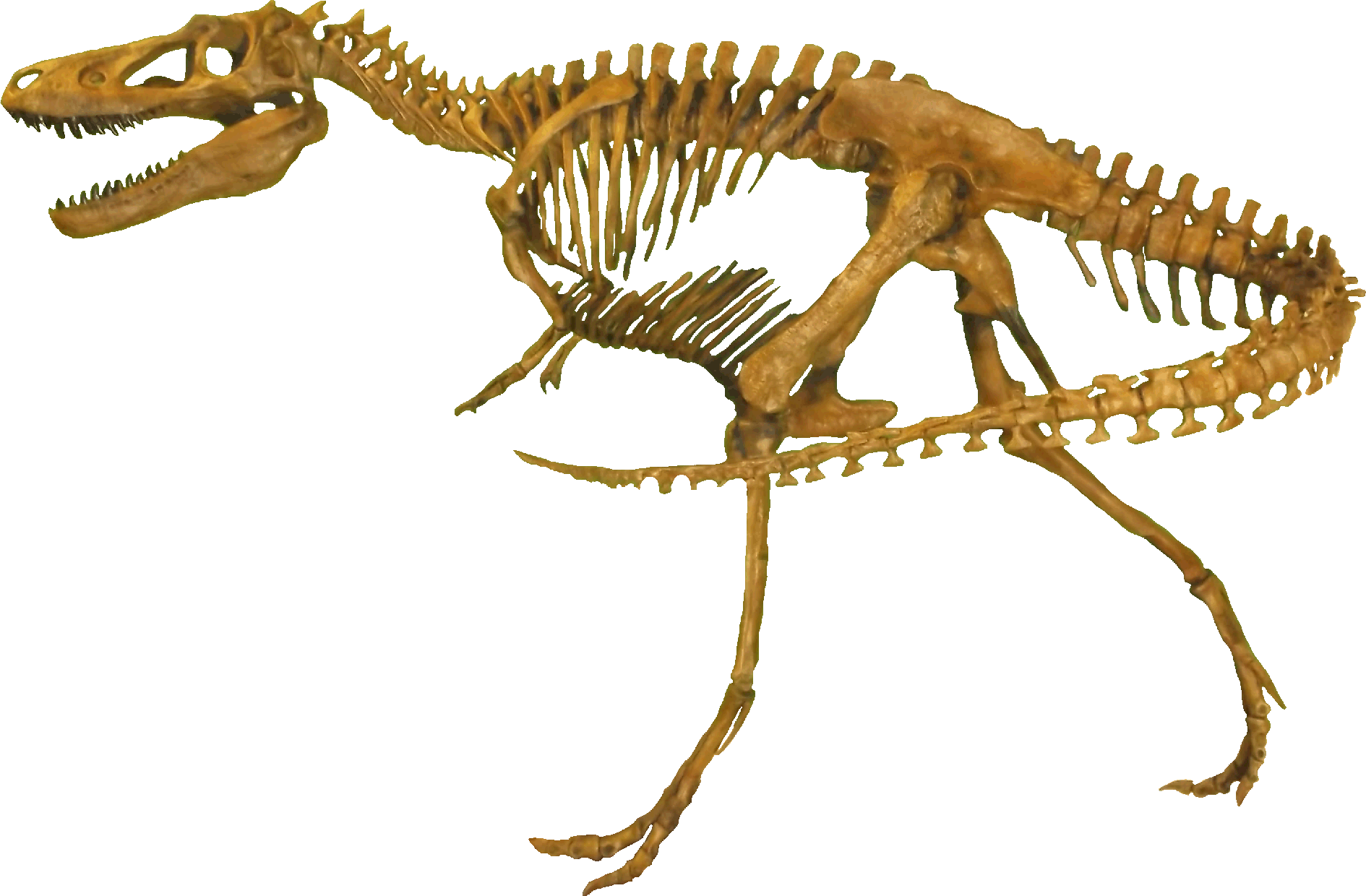

A Nanotyrannus skeleton sold for $47.3m at an auction in the United States, according to reports by BBC News and Anadolu Agency.
According to BBC News, the skeleton, nicknamed "Jodi", was auctioned by Sotheby's in New York on Tuesday. BBC News gave the price as $47.3m (£35.5m). The skeleton had been expected to fetch at least $9m. Six interested parties bid for 12 minutes, BBC News reported. The buyer's identity was not disclosed.
The skeleton is roughly 10 feet (3m) tall, according to BBC News. In July, Sotheby's sold a Tyrannosaurus rex skeleton dubbed "Gus" for a record $50.1m, the broadcaster reported.
Origins of the specimen
According to BBC News, rancher Jodi Pierson discovered the skeleton on her land in the Hell Creek Formation in Montana. Commercial palaeontologist Clayton Phipps later excavated it. Phipps also discovered the "Dueling Dinosaurs" fossil in 2006, about eight miles (13km) away. That fossil shows a Nanotyrannus and a Triceratops apparently in combat.
"Jodi" was first exhibited as a juvenile T. rex at London's Frieze Masters art fair in October 2023, before the Nanotyrannus genus was classified, BBC News reported. Research by Lindsay Zanno and James Napoli, which drew on the "Dueling Dinosaurs" specimen, classified Nanotyrannus as separate from T. rex. Sotheby's said, as reported by BBC News, that US researchers confirmed the existence of the genus in October of the previous year. Both animals lived about 67 million years ago.
What each side says
BBC News quoted Sotheby's as describing "Jodi" as "one of only three such skeletons known to science". According to BBC News, the auction house said the skeleton is exhibition-ready, has about 191 fossil-bone elements and a virtually complete skull, and is the first to come to market since the genus was confirmed.
Prof Steve Brusatte, a palaeontologist at the University of Edinburgh, told the BBC: "We've really just found out that Nanotyrannus is real, and now one of the best skeletons is about to be sold to the highest bidder, and it's harrowing to think it could disappear into the vaults of a collector rather than displayed on a museum where it can wow and inspire kids and families and the public at large." In July, speaking to BBC World Service's What in the World about the "Gus" sale, he said: "I don't know of any museum or university that can afford a price tag like that." According to BBC News, he called that sale "concerning" and said such sales could harm research and public education.
Megan Jenkins, a palaeontologist at the University of Portsmouth, said on BBC Radio 4's Today programme that the debate has two sides, and that a lot of time, effort and money goes into excavating the specimens. "I don't begrudge the people involved for wanting to sell it for such a large amount of money," she said. She added that many privately sold specimens have ended up in public view and will eventually reach museums.
After the "Gus" sale, unnamed researchers told the BBC that such remains should be exhibited in public spaces where they can be studied more freely.
What the reports do not say
The reports do not describe the buyer's plans, including whether the skeleton will be displayed publicly. They do not say whether the price includes fees, or identify the seller. Anadolu Agency's report was available to Vocemundi only as a headline.
Analysis
The sale highlights a tension between the commercial fossil market and public science. Megan Jenkins, who said there are two sides to the debate, points to the cost of excavation and said such specimens "without a doubt" will end up in a museum at some point. Critics, including Steve Brusatte, argue that high prices can put important fossils beyond the reach of public institutions. Much may depend on the buyer's undisclosed plans. If the skeleton is loaned or displayed, concerns could ease. If it stays private, calls for limits on such sales may grow. The reports reviewed by Vocemundi do not indicate which outcome is more likely.
How we verified this story3 sources · 37/37 claims backed · 3 AI reviewers
Sources (3): BBC News · Anadolu Agency · BBC News (Science)
Independent origins: 2 · Perspectives: Turkish state media; Western public media · Regions: Europe, Middle East
Review panel: Claude, GPT-5.6 Sol, Kimi · Verdict: approved. 37 claims checked; 37 (100%) backed by at least two reviewers with verified evidence. Headline backed by 3 of 3 reviewers.
Dissent: none. Every reviewer backed every claim it checked.
Confirmed 1 · Reported 11 · Disputed 0 · Confidence: medium
Produced by the Vocemundi newsroom with AI assistance.

Vera is Vocemundi's AI editor, built on Anthropic's Claude. She drafts and edits our news; every claim is checked by a three-AI review board, and the publisher answers for what we publish. How we work
More stories

Macklemore opens 'Free Palestine' tour in Dublin weeks after removal from Ed Sheeran tour
The US rapper played a sold-out show at Dublin's 3Arena with guests including Hozier and Kneecap, weeks after he was dropped from Ed Sheeran's Loop Tour over pro-Palestinian remarks on stage.

Jordan strikes southern Syria after church attack; Syria says seven killed
Jordan says its overnight airstrikes in southern Syria targeted Islamic State militants after a deadly church funeral attack, while Syria says seven people were killed, condemns the strikes and denies they were coordinated with Damascus.

India chase 199 in 13.2 overs to clinch T20 series against New Zealand
Abhishek Sharma's 113 from 38 balls led India to a six-wicket win in Wellington, giving them an unassailable 3-0 lead with two matches remaining.
Comments