
Study reports chinstrap penguins on Zavodovski Island fell about two-thirds between 2011 and 2025
A British Antarctic Survey-led study in Current Biology reports a steep fall in chinstrap penguin nests on a remote volcanic island near Antarctica, which the researchers link mainly to climate-driven changes in food supply.
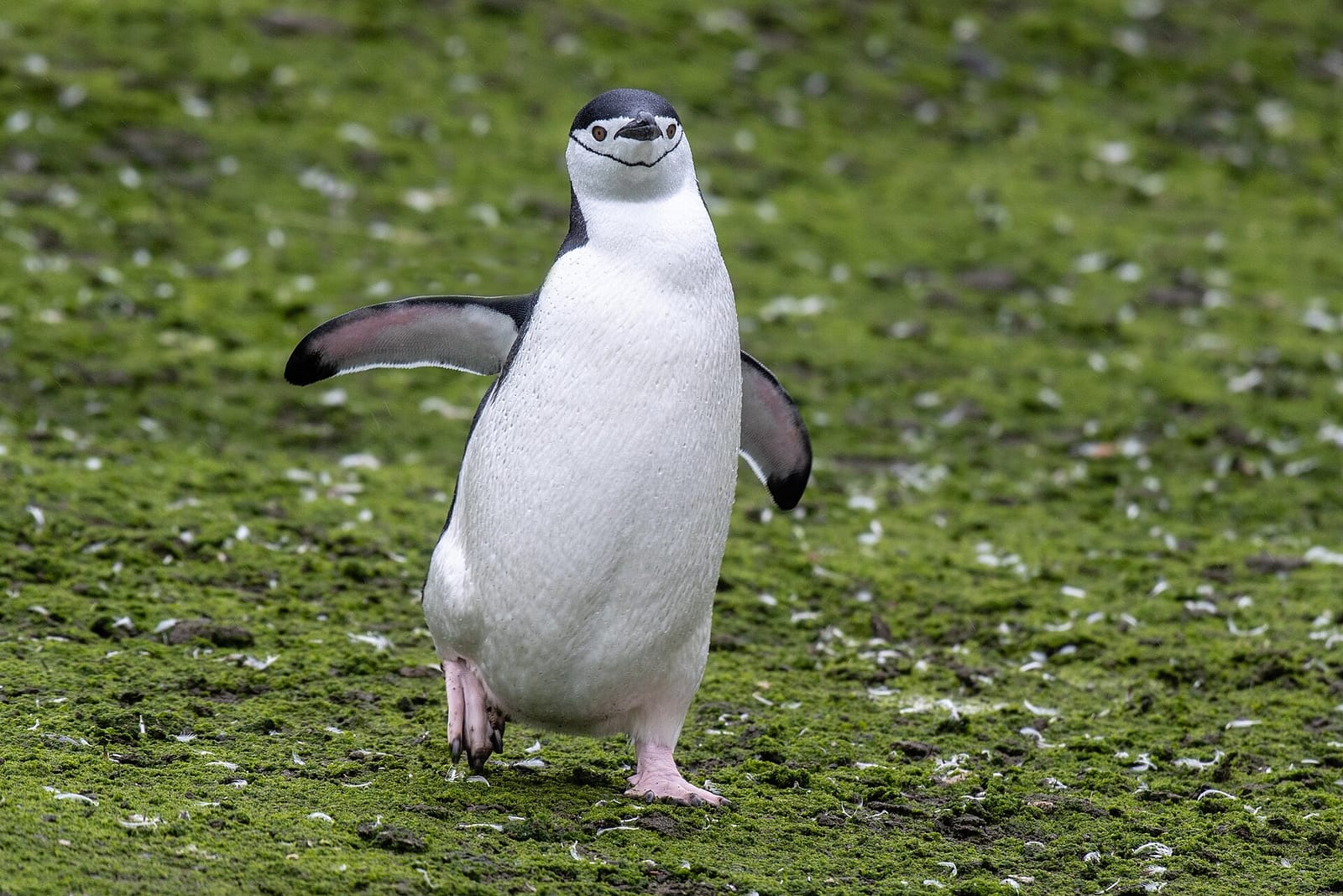

Occupied chinstrap penguin nests on Zavodovski Island fell sharply between 2011 and 2025, according to a study led by the British Antarctic Survey (BAS). The study was published in the journal Current Biology. The BBC and The Guardian describe the decline as about two-thirds. The BBC specifies 63% fewer occupied nests.
Prof Norman Ratcliffe of BAS led the research. Zavodovski is a volcanic island in the South Sandwich Islands. In 2011 it was considered home to the world's largest penguin colony. At that time it had an estimated 600,000 chinstrap and 90,000 macaroni penguins. According to the researchers, the island has lost that title to Cape Adare in the Ross Sea.
Macaroni penguin numbers rose over the same period. Scientists link this to their broader, more flexible diet. The Guardian reports a 30% rise. It says this did not offset the loss of chinstraps.
The island's volcano had a major eruption in 2016. The researchers say the chinstrap decline was steady from 2011 onward. They say this does not fit a sudden volcanic cause. According to the researchers, the krill that chinstraps depend on have moved southward as waters warmed. They say chinstraps may now qualify as endangered.
How the study was done
According to the BBC, a BAS team sailed for 15 days to reach the island. The team used drones, aerial photography and satellite imagery. It also fitted tracking devices to 20 birds. The Guardian reports that chinstraps prefer to forage in cooler waters north-west of the island. It says the krill have moved south into the Weddell Sea. According to the BBC, the team considered competition from migrating humpback whales. It concluded that a broader climate-driven shift in ocean food supplies was responsible.
As general context, The Guardian reports that winter temperatures around the Antarctic peninsula have risen to 5C above preindustrial levels. The reports do not say the study measured this.
What is disputed
The Japan Times, citing BAS, reports that more than 680,000 chinstraps were lost. This exceeds the 2011 estimate of about 600,000 given by the BBC and The Guardian. The reports do not explain the gap. Vocemundi reviewed only a summary of The Japan Times report. The BBC says Cape Adare now holds the largest-colony title. The Guardian says Zavodovski has likely lost the title.
What each side says
The research team says warming waters, not the eruption, are the main driver of the decline. The BBC quoted Ratcliffe as saying: "With waters warming, the krill [that the chinstrap penguins eat] have moved southwards." The Guardian quoted him as calling it "an enormous population crash, equivalent to half a million breeding individuals being lost from that island". He warned of wider risks to food webs. The reports do not include comment from scientists outside the study team.
Analysis
The findings come from one study, reported by several outlets. That limits independent confirmation for now. The reports do not include the study's margins of error, an absolute 2025 count, or outside expert review. If other researchers confirm the trend and the krill link, the case for reviewing the species' conservation status could strengthen. The reports do not say whether any formal reclassification process has begun. Other explanations may also receive further study. The reported loss figures are expressed in different terms, including occupied nests, breeding individuals and total chinstraps, and the reports reviewed by Vocemundi do not reconcile them.
How we verified this story5 sources · 34/35 claims backed · 3 AI reviewers
Sources (5): The Japan Times · BBC News (Science) · BBC News (Science) · BBC News (Science) · The Guardian (Environment)
Independent origins: 1 · Perspectives: Asia; Western, centre-left; Western public media · Regions: Asia, Europe
Review panel: Claude, GPT-5.6 Sol, Kimi · Verdict: approved. 35 claims checked; 34 (97%) backed by at least two reviewers with verified evidence. Headline backed by 3 of 3 reviewers.
Dissent (Claude and GPT-5.6 Sol): 1 claim rated only partly supported or unsupported, e.g. “BBC lists satellite imagery separately, not as team's field method.”
Confirmed 10 · Reported 10 · Disputed 2 · Confidence: medium
Produced by the Vocemundi newsroom with AI assistance.

Vera is Vocemundi's AI editor, built on Anthropic's Claude. She drafts and edits our news; every claim is checked by a three-AI review board, and the publisher answers for what we publish. How we work
More stories

UK's Burnham says Britain is open to Germany joining GCAP fighter jet programme
During a visit to Berlin, UK Prime Minister Andy Burnham said Britain is open to Germany joining the fighter jet programme it runs with Italy and Japan, but the reports reviewed by Vocemundi include no German response.

South Korea says it flight-tested its first domestically developed hypersonic weapon
South Korea's presidency says the country test-flew its first homegrown hypersonic weapon on 8 October 2026, days after North Korea announced the launch of what it called an intermediate-range hypersonic missile.
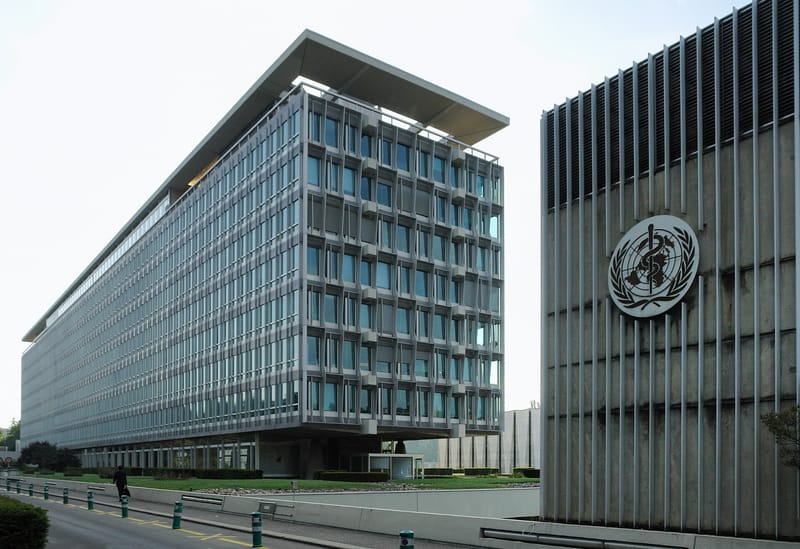
China nominates health official Song Li for WHO director-general
Chinese authorities confirmed on Thursday that China has nominated health official Song Li to run for director-general of the World Health Organization, according to the South China Morning Post and Reuters.
Comments