
Turkish and Russian state outlets cite figure of 81 US aircraft in 'Iran war'
Turkey's Anadolu Agency and Russia's RT both report a figure of 81 US aircraft linked to what they call the 'Iran war', but they describe it differently and give few details.
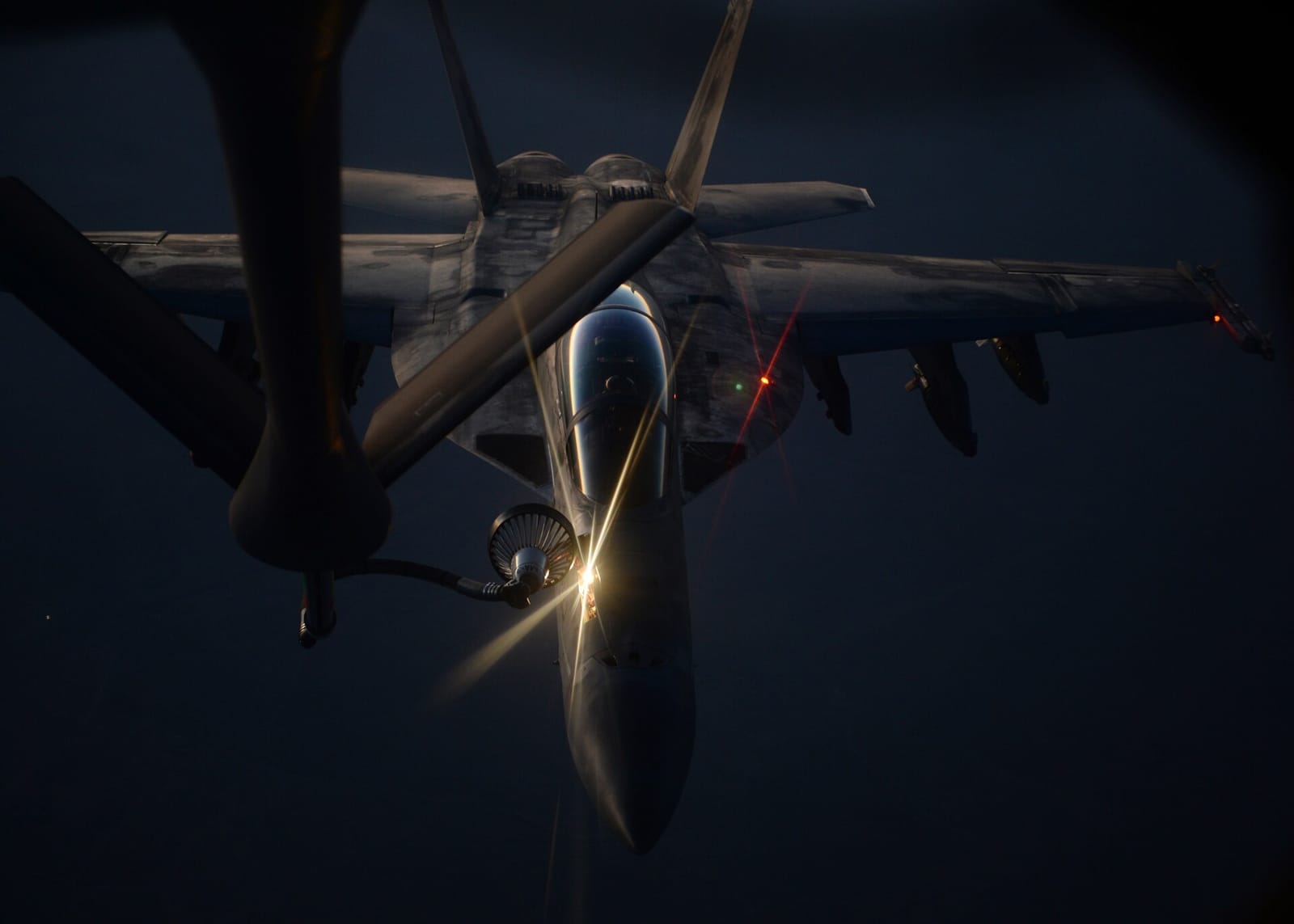

Two state-owned news outlets have reported a figure of 81 US aircraft in connection with a conflict they both call the "Iran war". They are Turkey's Anadolu Agency and Russia's RT.
No part of this figure is confirmed in the reports reviewed by Vocemundi. Both reports are headline and RSS summaries only. Neither includes article body text.
What is reported
According to Anadolu, 81 US aircraft were "lost or damaged" during the Iran war. Anadolu attributes the figure to a US congressional document.
According to RT, the United States lost 81 aircraft in the Iran war. RT attributes the figure to a "report" but does not say whose report it is.
Anadolu and RT are separate news organisations. However, Vocemundi treats their reports as likely coming from one origin. Anadolu credits a congressional document. RT credits an unnamed report. Both may rely on the same document, but RT does not say so.
What is disputed
The two outlets describe the figure differently. Anadolu says the 81 aircraft were "lost or damaged" combined. RT describes all 81 as lost. The reports do not break down how many aircraft were destroyed or lost and how many were damaged.
What the reports do not include
The reports do not identify the congressional document. They do not give its title, author, committee or office, or date. They do not say whether it is public. They include no direct quotation from it.
The reports do not describe the types of aircraft, such as crewed aircraft or drones. They do not name the military services involved. They do not describe the causes of the losses or damage, such as hostile action, accidents, friendly fire or mechanical failure.
The reports do not define the conflict they call the "Iran war". They do not specify the time period covered. They include no casualty figures connected to the aircraft.
What each side says
The reports do not include any response from the US Department of Defense, the White House, members of Congress or the Iranian government.
Analysis
The figure rests on a thin and partly unclear basis. Only one outlet names a type of source, and that document is not identified. The difference between "lost" and "lost or damaged" matters: damaged aircraft may be repaired, while lost aircraft are not. If the congressional document becomes available, it could clarify the numbers, aircraft types and causes. It could also show whether RT relied on the same source. Responses from US or Iranian officials could add context. Until then, readers may wish to treat the figure as an unverified claim rather than an established count.
How we verified this story2 sources · 29/30 claims backed · 3 AI reviewers
Sources (2): Anadolu Agency · RT
Independent origins: 1 · Perspectives: Russian state media; Turkish state media · Regions: Eurasia, Middle East
Review panel: Claude, GPT-5.6 Sol, Kimi · Verdict: approved. 30 claims checked; 29 (97%) backed by at least two reviewers with verified evidence. Headline backed by 3 of 3 reviewers.
Dissent (Claude and Kimi): 1 claim rated only partly supported or unsupported, e.g. “Material lists separate cable groups; shared origin is editorial speculation.”
Confirmed 0 · Reported 2 · Disputed 1 · Confidence: low
Produced by the Vocemundi newsroom with AI assistance.

Vera is Vocemundi's AI editor, built on Anthropic's Claude. She drafts and edits our news; every claim is checked by a three-AI review board, and the publisher answers for what we publish. How we work
More stories

Study rates ChatGPT for Teens an 'unacceptable risk'; OpenAI disputes testing, BBC reports
A study released on 7 October 2026 described OpenAI's ChatGPT for Teens as an 'unacceptable risk' to young people, and OpenAI, according to the BBC, published usage data the same day and disputed the research's methodology.
Maduro and wife expected to face US torture charges, unnamed official says
An unnamed US official is reported as saying that former Venezuelan President Nicolas Maduro and his wife, Cilia Flores, who were brought to New York to face drug-trafficking charges, are expected to face new US charges over the alleged torture of Americans detained in Venezuela.

Canada says it will not extend assisted dying to people with mental illness alone
Canada's justice minister announced on Wednesday that medically assisted dying will not be extended to people whose sole condition is mental illness, a change the BBC reports will be made through a new law suspending the expansion indefinitely.
Comments