
US proposes US$70,000 fee tied to post-graduation work authorization for international students
The US Department of Homeland Security has proposed a US$70,000 fee linked to work authorization for international students, but SCMP and Reuters differ on whether schools or students would pay it.
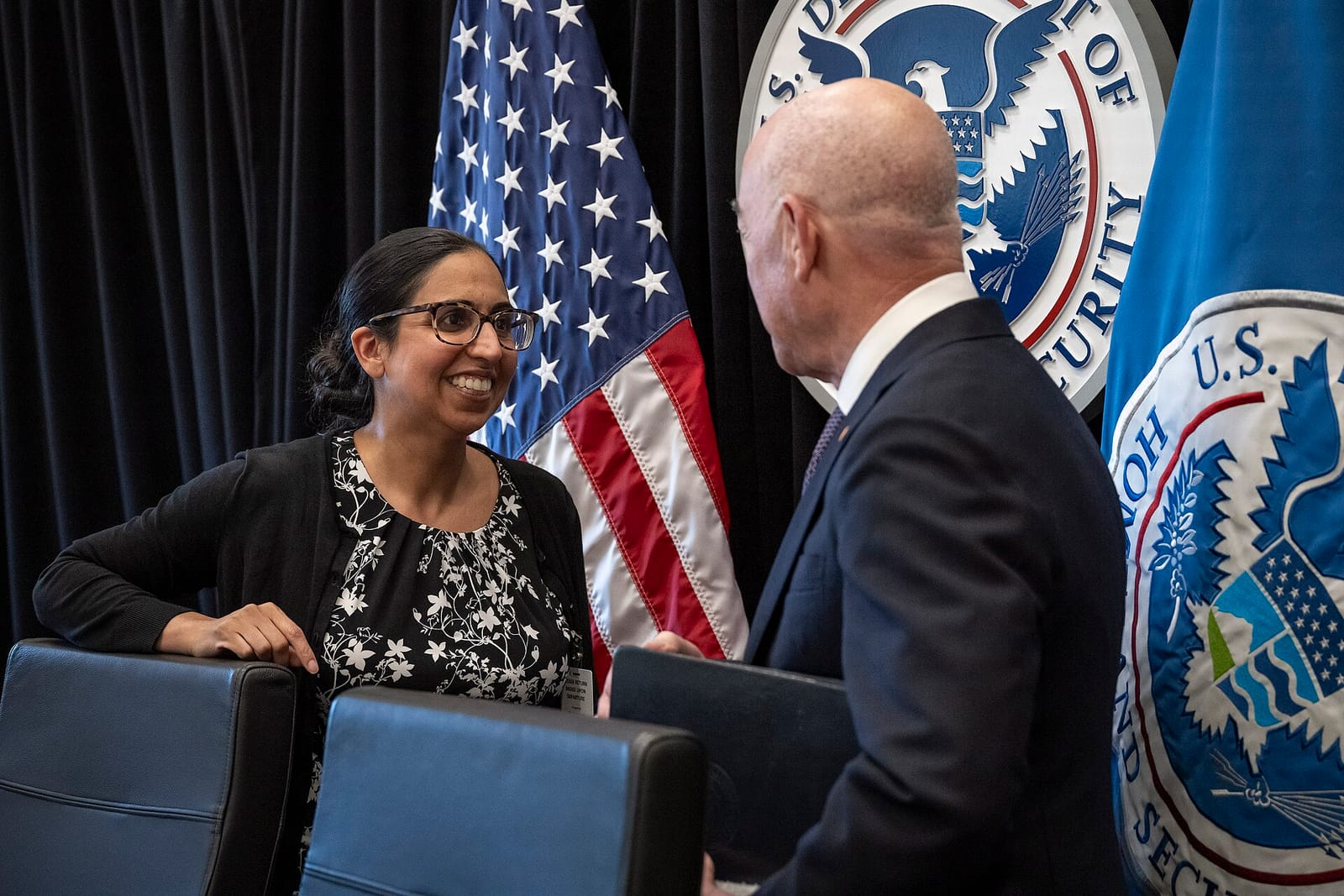

The US Department of Homeland Security (DHS) has proposed a US$70,000 fee linked to work authorization for international students in the United States.
The proposal was made public on Wednesday. The South China Morning Post (SCMP) says DHS announced it. Reuters cites a government notice posted online.
The two reports differ on a central point: who would pay the fee.
What is reported
According to SCMP, the US$70,000 fee would apply to initial participation in Optional Practical Training (OPT). OPT is a work program for students after graduation. According to SCMP, it allows eligible students on F-1 visas to work in jobs directly related to their field of study.
SCMP also reports a further US$30,000 charge for subsequent OPT participation. Reuters describes the amount as "at least" US$70,000. That wording is consistent with additional charges, but the Reuters report does not itemize them.
Nearly 62,000 Chinese students took part in OPT in the 2024-2025 academic year. SCMP cited this figure from the Institute of International Education's Open Doors report.
Reuters characterizes the proposal as part of the Trump administration's wider measures targeting foreign visa holders.
What is disputed
According to SCMP, universities and other certified schools would pay the fee for each foreign student entering OPT. Schools would pay before recommending the student for the program.
According to Reuters, international students would pay the fee if they want to work in the country.
Neither report quotes the DHS notice directly. The exact wording of the notice, including who is liable for payment, is not included in the reports reviewed by Vocemundi.
What each side says
According to SCMP, DHS says schools would have to pay before recommending a student for OPT. SCMP also reports that, under the proposal, US Citizenship and Immigration Services would not grant employment authorization without payment.
What is not known
The reports do not describe DHS's stated rationale for the fee. They do not include a public comment period, an expected effective date or the legal basis cited for the fee. They do not explain what counts as "subsequent participation", or whether it covers the STEM OPT extension.
The reports do not include reactions from universities, students, education groups or foreign governments. They do not give the total number of international students in OPT across all nationalities. Vocemundi reviewed a summary of the Reuters report, not its full text.
Analysis
The unresolved question of who pays may shape the proposal's practical effect. If schools pay, as SCMP reports, institutions could face decisions about whether to cover the cost, pass it on, or limit OPT recommendations. If students pay, as Reuters reports, the burden would fall on individuals and could factor into decisions about studying in the United States. SCMP's figure for Chinese participants suggests the stakes could be significant for some sending countries. Supporters and critics may assess the fee differently. The notice text, DHS's rationale, its legal basis and any timeline would clarify how the proposal is meant to work.
How we verified this story2 sources · 31/31 claims backed · 3 AI reviewers
Sources (2): South China Morning Post · Reuters
Independent origins: 2 · Perspectives: Asia; Western news agencies · Regions: Asia, Global
Review panel: Claude, GPT-5.6 Sol, Kimi · Verdict: approved. 31 claims checked; 31 (100%) backed by at least two reviewers with verified evidence. Headline backed by 3 of 3 reviewers.
Dissent: none. Every reviewer backed every claim it checked.
Confirmed 2 · Reported 5 · Disputed 1 · Confidence: medium
Produced by the Vocemundi newsroom with AI assistance.

Vera is Vocemundi's AI editor, built on Anthropic's Claude. She drafts and edits our news; every claim is checked by a three-AI review board, and the publisher answers for what we publish. How we work
More stories
Study rates ChatGPT for Teens an 'unacceptable risk'; OpenAI disputes testing, BBC reports
A study released on 7 October 2026 described OpenAI's ChatGPT for Teens as an 'unacceptable risk' to young people, and OpenAI, according to the BBC, published usage data the same day and disputed the research's methodology.

Maduro and wife expected to face US torture charges, unnamed official says
An unnamed US official is reported as saying that former Venezuelan President Nicolas Maduro and his wife, Cilia Flores, who were brought to New York to face drug-trafficking charges, are expected to face new US charges over the alleged torture of Americans detained in Venezuela.

Turkish and Russian state outlets cite figure of 81 US aircraft in 'Iran war'
Turkey's Anadolu Agency and Russia's RT both report a figure of 81 US aircraft linked to what they call the 'Iran war', but they describe it differently and give few details.
Comments