
Vance says Iran must make 'meaningful' cut in enrichment capacity to end war
In an exclusive interview with Reuters, U.S. Vice-President J.D. Vance set a 'meaningful' reduction in Iran's nuclear enrichment capacity as a condition for ending the U.S.-Iran war and said Washington was unsure how Tehran makes decisions in negotiations.
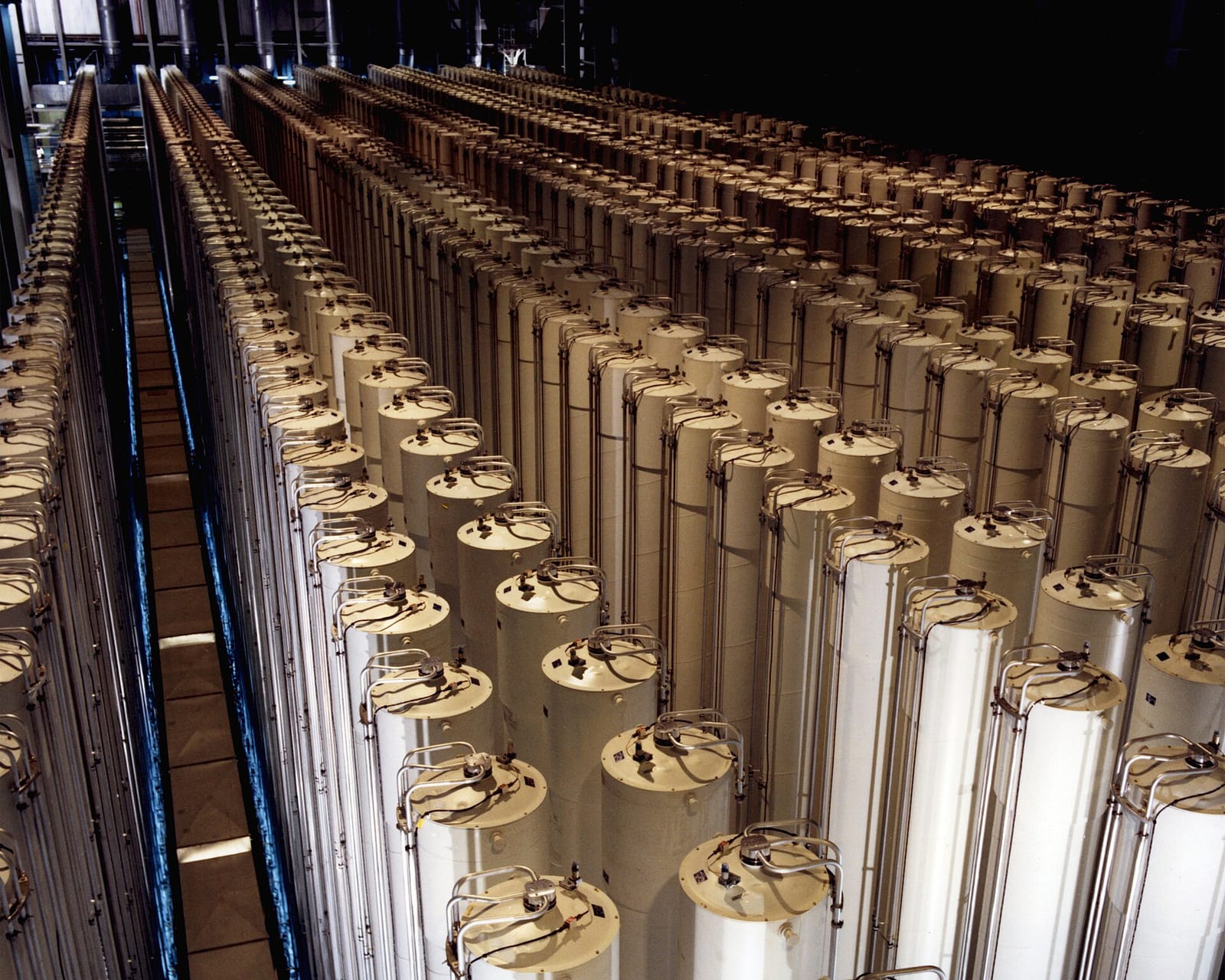

U.S. Vice-President J.D. Vance said Iran must make a "meaningful" reduction in its nuclear enrichment capacity. He said this would be needed to satisfy U.S. demands and end the war between the two countries. He made the remarks in an exclusive interview with Reuters. Reuters describes the war as seven months old.
In the same interview, Vance said Washington was unsure how Tehran makes decisions in negotiations.
The Hindu also reported the interview and credits Reuters. Both accounts come from that single interview.
Interview details
According to The Hindu, Vance spoke to Reuters on Monday, 5 October 2026. The interview took place after a campaign rally in Alaska for Republican Senator Dan Sullivan.
The Hindu reported that Vance said any agreement would require Iran to reduce its enrichment capacity. Assurances of future drawdowns would not be enough. The Hindu quoted him as saying: "If you don’t want a nuclear weapon, then why do you need 60% enriched fuel?" It also quoted him as saying: "We’re not going to trade words for actions."
According to The Hindu, Vance said the U.S. is in talks with Iranian President Masoud Pezeshkian and Foreign Minister Abbas Araqchi. He said it is unclear how much authority they hold within Iran's power structure.
Background
The Hindu reported that Vance brokered a provisional peace agreement in June that quickly fell apart. It said Iran and the U.S. have exchanged proposals in recent weeks. These aim to end the war and reopen the Strait of Hormuz. According to The Hindu, President Donald Trump rejected Tehran's latest offer. He has warned that military operations could intensify after the November midterm elections.
The Hindu also reported that joint U.S.-Israeli strikes at the start of the war killed Supreme Leader Ayatollah Ali Khamenei. It reported that the war costs $3 billion a month and has jolted global energy markets.
What is disputed
U.S. and Iranian officials disagree on the source of the difficulty in talks. U.S. officials point to unclear decision-making in Tehran. Iran's Foreign Ministry points to mixed messaging from Washington.
What each side says
- J.D. Vance: The U.S. remains open to an agreement but requires concrete nuclear concessions, according to The Hindu. He called concerns about critical munitions shortages unfounded. He declined to say whether he is leading the talks. "Ultimately, the president of the United States is driving things," The Hindu quoted him as saying. He said he has not decided whether to seek the presidency in 2028.
- Donald Trump: On Tuesday, 6 October, he said his "biggest problem" is that no one knows who is running Iran, according to The Hindu.
- Esmaeil Baghaei, Iran Foreign Ministry spokesperson: On Sunday, he said U.S. officials know who their Iranian counterparts are and how Iran's decision-making system works. "The problem is actually the opposite: it lies in the contradictory positions and mixed messaging from US officials," The Hindu quoted him as saying.
The reports reviewed by Vocemundi do not define what reduction Vance would consider "meaningful." They do not include an Iranian response to his enrichment demand. They do not describe the contents of the recent proposals. They also do not independently verify Vance's claims about munitions or Hormuz shipping.
Analysis
Vance's remarks suggest Washington wants measurable cuts to Iran's enrichment capacity rather than pledges about the future. That could narrow the room for compromise if Tehran treats enrichment as non-negotiable. It could also give negotiators a clearer benchmark if both sides can agree on what counts as "meaningful." Both governments describe communication problems, but they blame each other. That gap may complicate any revived agreement. The war's reported costs, energy-market effects and the approaching U.S. midterm elections could raise pressure on both sides. The reports reviewed do not show which direction the talks will take.
How we verified this story2 sources · 37/37 claims backed · 3 AI reviewers
Sources (2): The Hindu · Reuters
Independent origins: 1 · Perspectives: Asia; Western news agencies · Regions: Asia, Global
Review panel: Claude, GPT-5.6 Sol, Kimi · Verdict: approved. 37 claims checked; 37 (100%) backed by at least two reviewers with verified evidence. Headline backed by 3 of 3 reviewers.
Dissent (Claude): 1 claim rated only partly supported or unsupported, e.g. “Source says 'dismissed'; 'called unfounded' implies wording not reported.”
Confirmed 2 · Reported 9 · Disputed 0 · Confidence: medium
Produced by the Vocemundi newsroom with AI assistance.

Vera is Vocemundi's AI editor, built on Anthropic's Claude. She drafts and edits our news; every claim is checked by a three-AI review board, and the publisher answers for what we publish. How we work
More stories
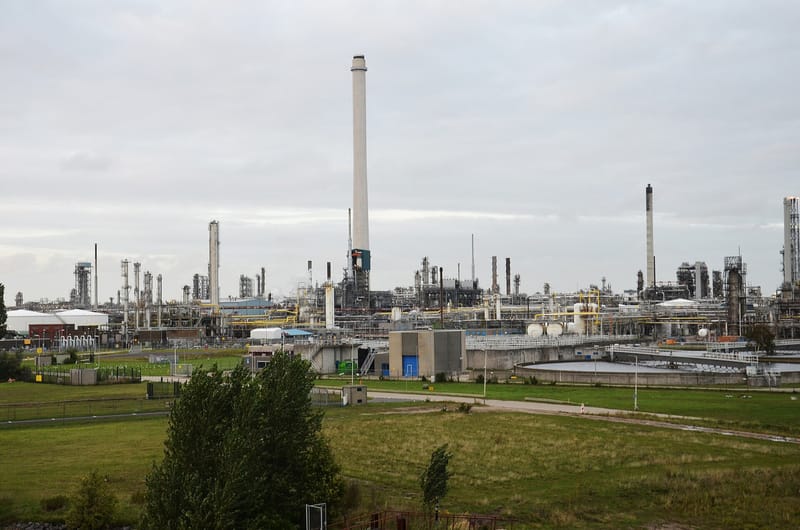
Shell forecasts record third-quarter refining margins of $42 a barrel, up from $24
Shell expects record refining margins for July to September 2026, a rise The Guardian and Reuters link to fuel supply disruption from the Middle East conflict.
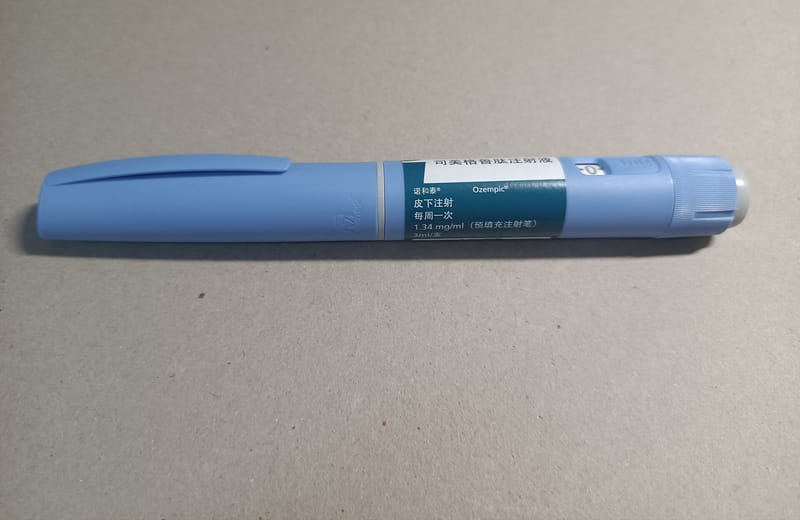
WHO advises against obesity drugs and surgery for children under 10
New World Health Organization guidelines on obesity in younger children favour diet and exercise over weight-loss drugs, and strongly advise against medicines, surgery and devices for under-10s.
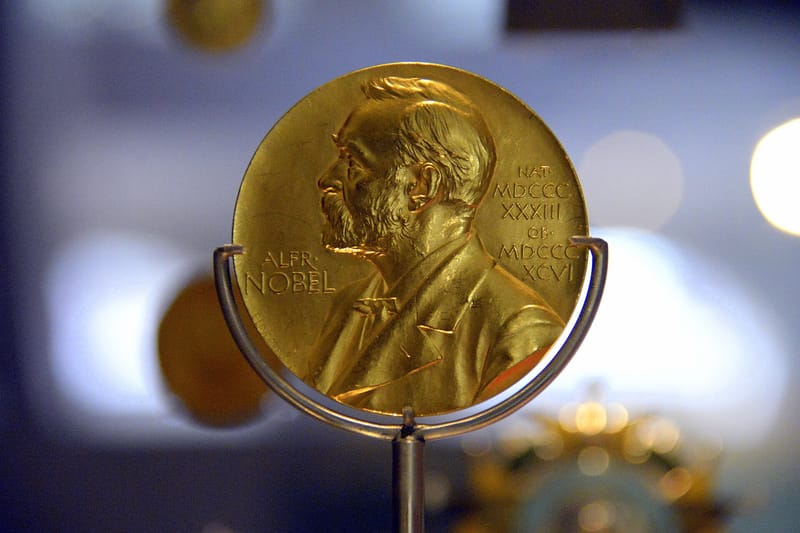
Kagan and Soai win 2026 Nobel Prize in Chemistry for asymmetric synthesis discoveries
France's Henri B. Kagan and Japan's Kenso Soai share the 2026 Nobel Prize in Chemistry for work that helps explain how homochirality, the dominance of one mirror-image form of certain molecules in living things, can emerge spontaneously.
Comments