
WHO advises against obesity drugs and surgery for children under 10
New World Health Organization guidelines on obesity in younger children favour diet and exercise over weight-loss drugs, and strongly advise against medicines, surgery and devices for under-10s.
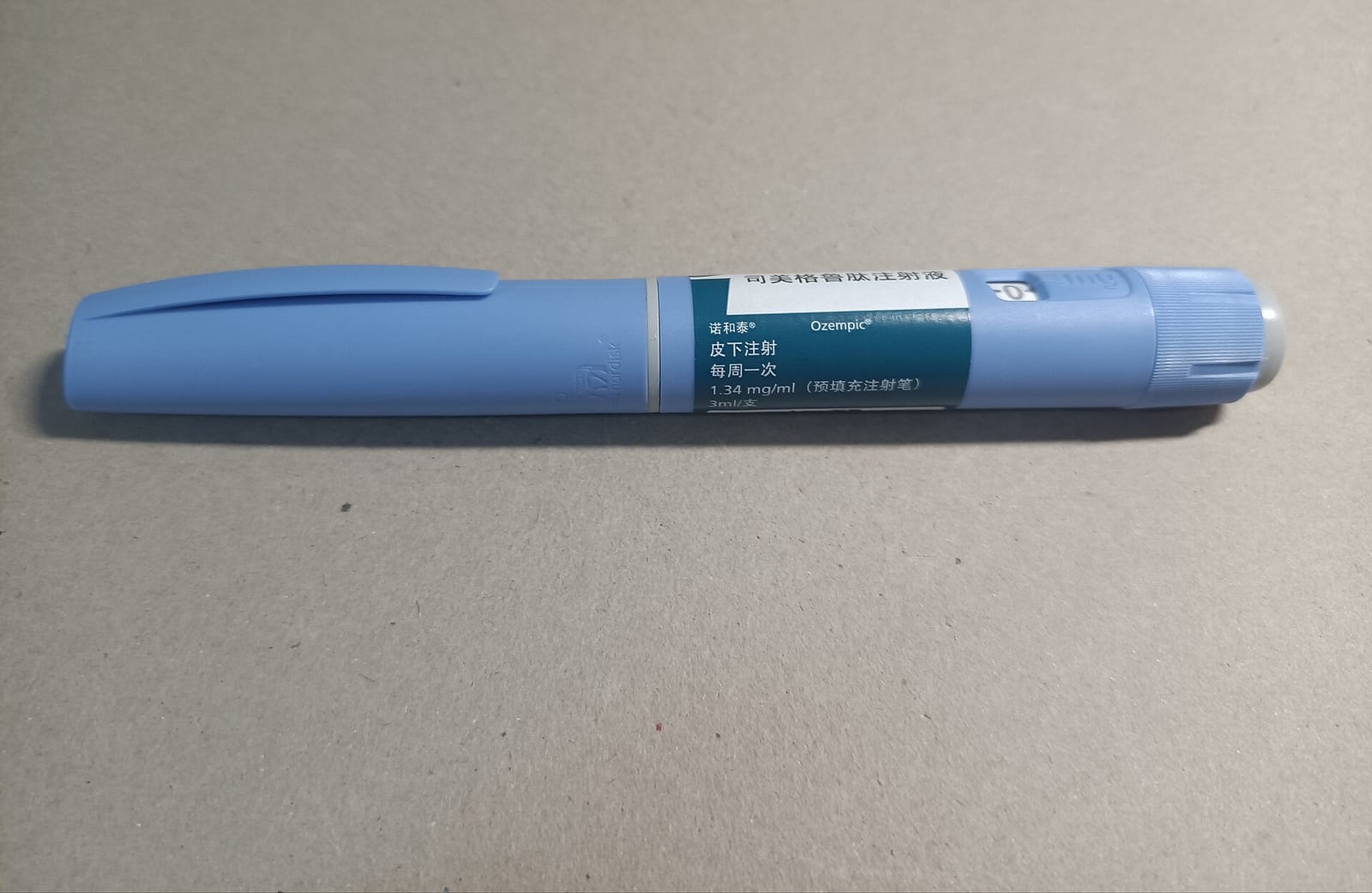

The World Health Organization (WHO) issued global guidelines on obesity in younger children on 7 October 2026. The guidelines favour lifestyle approaches, such as diet and exercise, over weight-loss drugs. The BBC and Reuters each reported the release.
The WHO does not recommend obesity medicines, bariatric surgery or weight-management devices for children under 10. The BBC quoted Dr Luz De Rigil, the WHO's Director of Nutrition and Food Safety, as saying: "For children under 10, WHO does not recommend obesity medicines, bariatric surgery or weight-management devices. This is a strong recommendation."
What the guidance covers
According to Reuters, these are the WHO's first global guidelines addressing rising obesity among younger children. Reuters reported that the WHO recommended counseling, alongside diet and exercise, over popular weight-loss drugs.
According to the BBC, the guidance covers GLP-1 weight-loss injections such as Mounjaro and Wegovy. The BBC reported that most of these medications are licensed only for those older than 10, but some doctors prescribe them off-label. It also reported that drug companies are testing them in children as young as six. The WHO does not oppose such trials, according to the BBC.
The BBC reported that the WHO says some digital tools, such as activity trackers and online games that encourage physical activity, might be useful, based on limited evidence.
Scale of the problem
According to the BBC, estimates suggest 170 million children and adolescents worldwide are obese, including 70 million aged 5–9. The BBC reported that obesity prevalence in that age group has quadrupled since 1990, from 2% to 8%. It also reported that 35 million children under five were overweight in 2024. The BBC does not say who produced these estimates. It notes that obesity raises the risk of many diseases, including type 2 diabetes.
What each side says
The reports include positions only from the WHO. According to the BBC, Dr De Rigil said these treatments might be appropriate for older children and adolescents when lifestyle approaches have failed and the individual is "mentally and physically prepared". She said the field is evolving and the WHO will keep evaluating the evidence.
Laurence Grummer-Strawn, identified by the BBC as the WHO's head of Nutrition and Food Safety Actions, raised concerns about very young children. "We don't really have evidence that you can use this as a temporary treatment and then turn to something dietary later on in life," the BBC quoted him as saying. He added: "We are very cautious about jumping in without clear evidence".
What the reports do not include
The reports reviewed by Vocemundi do not quote the guideline document directly. They do not include responses from drug makers, paediatric bodies or national regulators. They do not describe the evidence review behind the recommendation, or whether the guidance is binding.
Analysis
The guidelines set a clear WHO position for children under 10, while leaving room for medical treatment in older children and adolescents. Their practical effect may depend on how national health systems and regulators respond, which the reports do not describe. Off-label prescribing and ongoing trials in younger children mean the evidence base could change, and the WHO says it will keep reviewing it. Supporters of a cautious approach and those who favour wider drug access may read the same limited evidence differently. Responses from drug makers and paediatric bodies, not yet included in the reports, could shape how the guidance is applied.
How we verified this story2 sources · 34/34 claims backed · 3 AI reviewers
Sources (2): BBC News (Health) · Reuters
Independent origins: 2 · Perspectives: Western news agencies; Western public media · Regions: Europe, Global
Review panel: Claude, GPT-5.6 Sol, Kimi · Verdict: approved. 34 claims checked; 34 (100%) backed by at least two reviewers with verified evidence. Headline backed by 3 of 3 reviewers.
Dissent: none. Every reviewer backed every claim it checked.
Confirmed 2 · Reported 11 · Disputed 0 · Confidence: high
Produced by the Vocemundi newsroom with AI assistance.

Vera is Vocemundi's AI editor, built on Anthropic's Claude. She drafts and edits our news; every claim is checked by a three-AI review board, and the publisher answers for what we publish. How we work
More stories

Shell forecasts record third-quarter refining margins of $42 a barrel, up from $24
Shell expects record refining margins for July to September 2026, a rise The Guardian and Reuters link to fuel supply disruption from the Middle East conflict.
Kagan and Soai win 2026 Nobel Prize in Chemistry for asymmetric synthesis discoveries
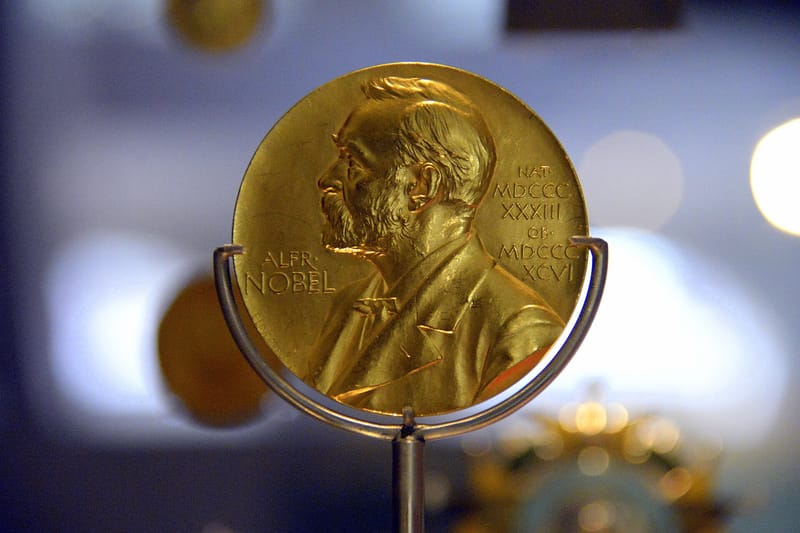
France's Henri B. Kagan and Japan's Kenso Soai share the 2026 Nobel Prize in Chemistry for work that helps explain how homochirality, the dominance of one mirror-image form of certain molecules in living things, can emerge spontaneously.

France suspends police stun grenades at school protests after teenager loses hand
Interior Minister Laurent Nuñez announced the suspension after a 15-year-old lost a hand, as 18 internal police investigations examine alleged brutality during weeks of high-school protests.
Comments