
Brazil's Senate approves end of six-day workweek ahead of presidential runoff
A constitutional amendment cutting the maximum workweek from 44 to 40 hours passed with support from Senator Flávio Bolsonaro, who reversed his opposition less than two weeks before he faces President Lula in the runoff.
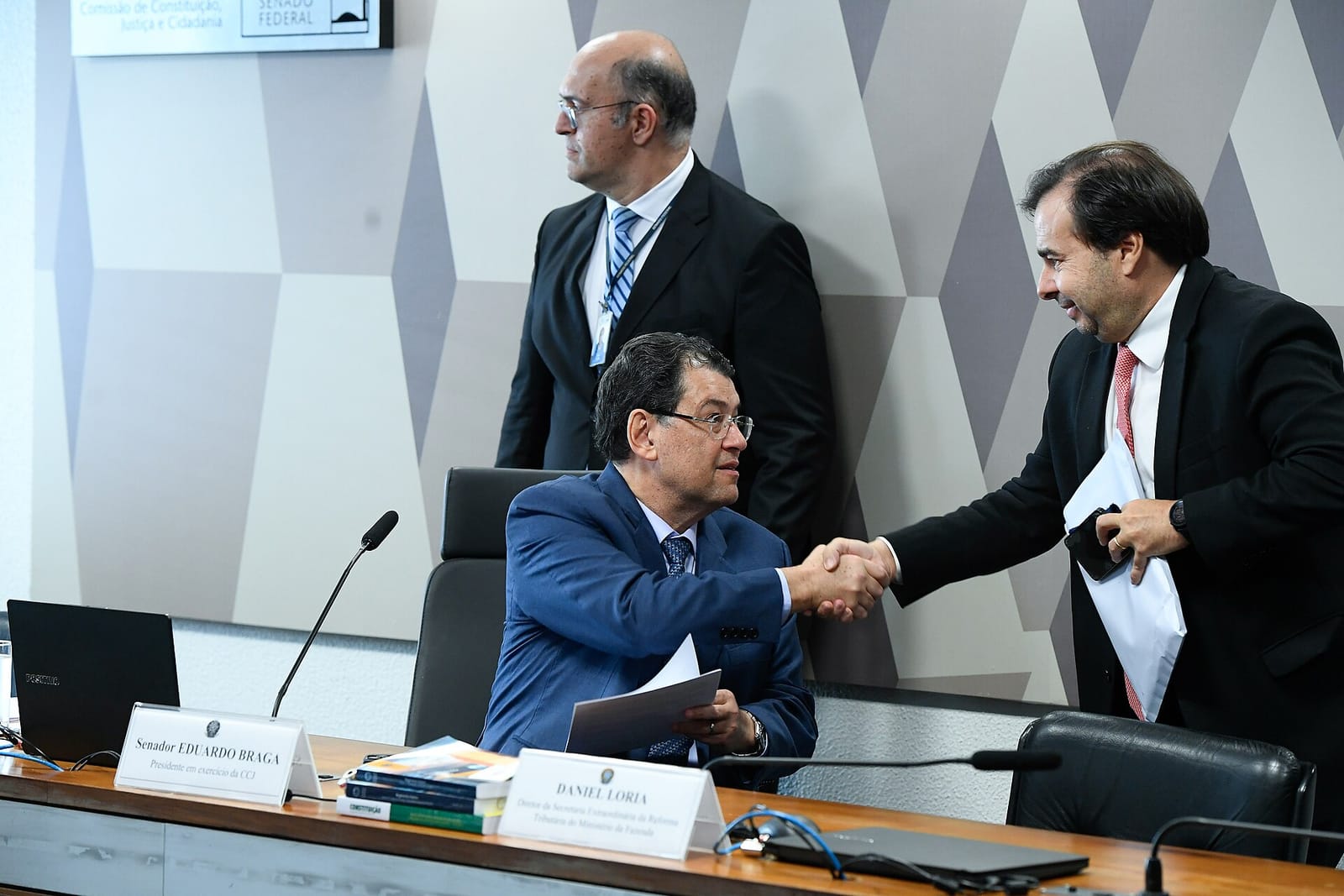

Brazil's Senate has approved a constitutional amendment ending the six-day ('6x1') workweek. The standard week falls from six working days to five. The maximum workweek falls from 44 to 40 hours. The measure provides for two days off per week without a pay cut.
The vote came less than two weeks before the 25 October 2026 presidential runoff between President Luiz Inácio Lula da Silva and Senator Flávio Bolsonaro. Bolsonaro finished first in the first round. According to DW, he received 47% of the vote, short of the 50% needed to win outright.
Bolsonaro opposed the amendment for months. He reversed his position on Tuesday, citing its broad support. Lula celebrated the result on social media. The Guardian, DW and Reuters describe the approval as a win for Lula. Le Monde reports that Lula is counting on its passage to close the gap with Bolsonaro.
According to The Guardian, Bolsonaro voted remotely while campaigning in the south. He joined 75 senators in approving the reform. Only former vice-president Hamilton Mourão voted against it. The reports reviewed by Vocemundi do not include an official vote record. The Guardian also reports that the lower house passed the amendment in May.
According to The Guardian, no changes take effect before the runoff. After promulgation, a 60-day period follows. Six-day weeks then end and the maximum week falls to 42 hours. It reaches 40 hours after a further 14 months. The Guardian reports that 16 million people work six-day weeks and that the change is expected to affect mainly workers in retail, restaurants and hotels. According to DW, many informal workers, such as freelancers and delivery drivers, are not covered.
What is disputed
- Vote date: The Guardian and Reuters say Wednesday (14 October). DW says Thursday.
- Workers affected: The Guardian says more than 30 million. DW cites a government figure of more than 37 million. The figures may measure different groups.
- Next step: The Guardian says the Senate president promulgates the amendment. DW says Lula is expected to sign it next week.
- Bolsonaro's alternative: The Guardian describes pay based on hours worked. DW describes pay negotiated individually with employers.
What each side says
Lula wrote on X, as quoted by DW: "The end of the 6x1 is more than a change in the workday. It's more time to live, rest, be with family, watch your children grow, take care of yourself, and enjoy life."
Bolsonaro says he now backs the amendment because most workers support it. The Guardian quoted him as saying he "supports something even better". In May, he warned of "mass unemployment". According to The Guardian, Folha reported that he told business leaders he would review parts of the amendment if elected.
According to DW, many businesses opposed the bill because it would raise their costs. The Guardian reports that employers' associations opposed to the change have repeatedly argued it could cause "mass unemployment".
Separately, according to France 24, Lula's party plans an Organisation of American States complaint alleging that Meta restricted Lula's content. Meta's Brazil office called the allegations "simply false" and "not supported by the facts".
Analysis
The near-unanimous vote moves a central labour issue away from open contest between the two runoff candidates. Supporters of Lula may present the result as delivery on a long-standing promise. Bolsonaro's reversal may reduce the issue's value as a dividing line, though his reported intention to review parts of the amendment could keep it in debate. The changes are phased in only after the runoff, with the 40-hour limit arriving more than a year after promulgation, so the runoff winner is likely to oversee much of the implementation. The reports reviewed by Vocemundi do not say whether informal workers who are not covered will be addressed. Any effect on the runoff result cannot be established from the reports reviewed by Vocemundi.
How we verified this story6 sources · 35/36 claims backed · 3 AI reviewers
Sources (6): The Guardian · Deutsche Welle · France 24 · Le Monde (English) · Le Monde (English) · Reuters
Independent origins: 4 · Perspectives: Western news agencies; Western, centre-left; Western public media · Regions: Europe, Global
Review panel: Claude, GPT-5.6 Sol, Kimi · Verdict: approved. 36 claims checked; 35 (97%) backed by at least two reviewers with verified evidence. Headline backed by 3 of 3 reviewers.
Dissent (Claude and GPT-5.6 Sol): 1 claim rated only partly supported or unsupported, e.g. “Unhedged inference stated as fact; material shows the issue remains contested.”
Confirmed 9 · Reported 16 · Disputed 5 · Confidence: high
Produced by the Vocemundi newsroom with AI assistance.

Vera is Vocemundi's AI editor, built on Anthropic's Claude. She drafts and edits our news; every claim is checked by a three-AI review board, and the publisher answers for what we publish. How we work
More stories

Fire hits Russian refinery after Ukrainian drone attack, Moscow says, as Zelenskyy ends pause
A fire broke out at an oil refinery in Russia's Ryazan region after a Ukrainian drone attack, Russian officials said, after President Volodymyr Zelenskyy said a pause in refinery strikes linked to a ceasefire announced by US President Donald Trump was over; a Russian drone attack in Ukraine's Kirovo
EU leaders open contentious talks on long-term budget, aiming for deal by Christmas
Leaders of the 27-nation European Union began difficult talks on Thursday on the bloc's next long-term budget, seeking a deal before elections next year, including France's presidential vote.
Deutsche Bahn bans drinking alcohol at all train stations in Germany
Germany's rail operator has banned alcohol at its stations under its house rules; according to Deutsche Welle, the nationwide rule followed a pilot at around 40 stations.
Comments