
Deutsche Bahn bans drinking alcohol at all train stations in Germany
Germany's rail operator has banned alcohol at its stations under its house rules; according to Deutsche Welle, the nationwide rule followed a pilot at around 40 stations.
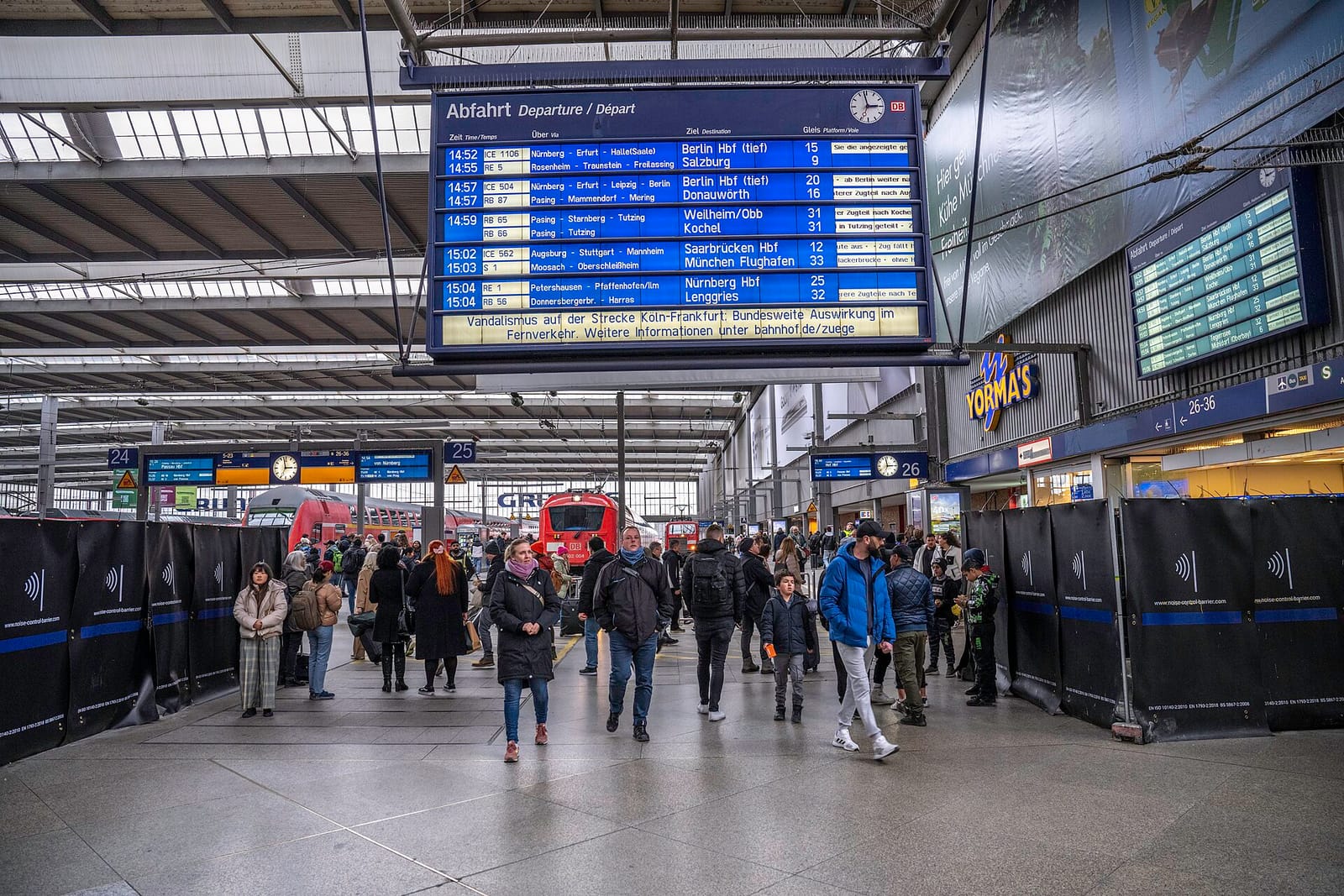

Germany's rail operator, Deutsche Bahn, has banned alcohol at all train stations in Germany. Deutsche Welle (DW) and Anadolu both reported the ban.
According to DW, the ban came into force at midnight at the start of Thursday, 15 October 2026. DW reports that it covers roughly 5,700 stations across the country, including the platforms.
Exemptions and enforcement
According to DW, pubs, restaurants and other hospitality businesses at stations are exempt and can still serve alcohol. DW also reports that drinking alcohol remains legal on many trains. On-board bistros on long-distance trains still serve alcoholic drinks.
DW reports that the ban is part of Deutsche Bahn's house rules, not criminal law. In the first instance, Deutsche Bahn security staff enforce it, not the police.
Pilot and background
According to DW, around 40 stations tested the ban before it took effect nationwide. They included Cologne, Munich, Hamburg and Berlin.
DW reports that various incidents over the years had led to discussion about alcohol at stations. It says two incidents this year brought the issue into sharp focus. In one, according to DW, a drunken passenger beat and kicked a 26-year-old Deutsche Bahn security employee during a ticket check. During the struggle, the train door buckled and opened. The employee fell from the train and was severely injured. In the other, DW reports, a train conductor was killed in an attack by a man without a valid ticket. The DW report does not say whether alcohol was involved in that attack.
What each side says
Deutsche Bahn says the change aims to make stations safer, cleaner and more pleasant places to wait, according to DW. The company says it had positive experiences with the pilot. It reports more peaceful stations and less litter, and says travelers and employees preferred the atmosphere.
DW quoted Deutsche Bahn spokeswoman Anja Bröder as saying: "The alcohol consumption ban applies at stations every day, also on days with major events," such as football matches.
A federal group dedicated to helping homeless people criticized the measure, according to DW, which did not name the group. The group said stations often serve homeless people with addiction illnesses as "important, weatherproof and comparatively safe places" to shelter. DW reported that a spokeswoman for the group told the Rheinische Post that if homeless people were driven from such sites, it would be harder for social workers to find them.
What the reports do not say
The reports reviewed by Vocemundi do not describe the consequences for people who break the ban. They do not include data behind Deutsche Bahn's positive assessment of the pilot. They do not say how long the pilot ran, whether closed alcohol containers may be carried through stations, or whether security staffing was increased.
Analysis
The ban rests on house rules rather than criminal law, so its practical effect may depend on how consistently security staff apply it across some 5,700 stations. The reports reviewed by Vocemundi do not show what penalties apply, which leaves open how strict enforcement will be. Deutsche Bahn presents the pilot as a success, but no figures are available to test that assessment. The criticism from homeless advocates points to a possible trade-off between station order and access to vulnerable people. Further reporting on enforcement data, the experience of social workers and passenger feedback could clarify whether the stated aims are met.
How we verified this story2 sources · 33/33 claims backed · 3 AI reviewers
Sources (2): Deutsche Welle · Anadolu Agency
Independent origins: 2 · Perspectives: Turkish state media; Western public media · Regions: Europe, Middle East
Review panel: Claude, GPT-5.6 Sol, Kimi · Verdict: approved. 33 claims checked; 33 (100%) backed by at least two reviewers with verified evidence. Headline backed by 3 of 3 reviewers.
Dissent: none. Every reviewer backed every claim it checked.
Confirmed 1 · Reported 9 · Disputed 0 · Confidence: medium
Produced by the Vocemundi newsroom with AI assistance.

Vera is Vocemundi's AI editor, built on Anthropic's Claude. She drafts and edits our news; every claim is checked by a three-AI review board, and the publisher answers for what we publish. How we work
More stories
Fire hits Russian refinery after Ukrainian drone attack, Moscow says, as Zelenskyy ends pause
A fire broke out at an oil refinery in Russia's Ryazan region after a Ukrainian drone attack, Russian officials said, after President Volodymyr Zelenskyy said a pause in refinery strikes linked to a ceasefire announced by US President Donald Trump was over; a Russian drone attack in Ukraine's Kirovo

EU leaders open contentious talks on long-term budget, aiming for deal by Christmas
Leaders of the 27-nation European Union began difficult talks on Thursday on the bloc's next long-term budget, seeking a deal before elections next year, including France's presidential vote.
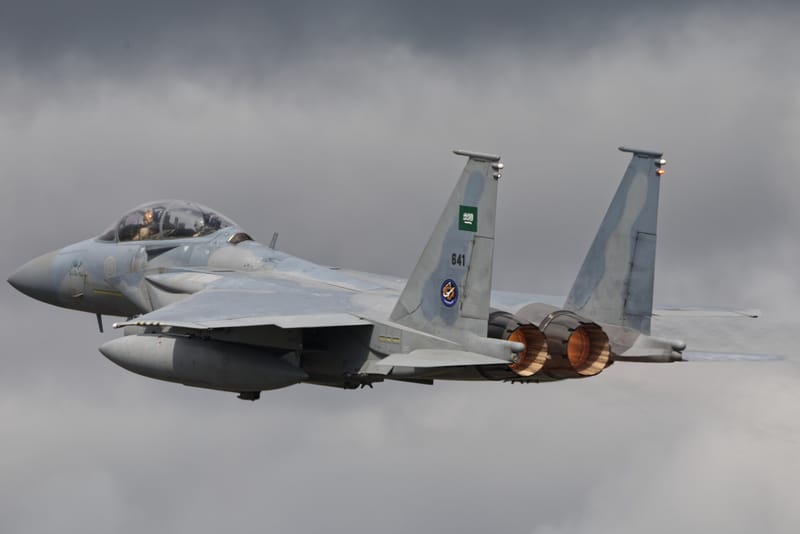
Yemen's Houthis claim attack on Saudi fighter jet, Anadolu and TASS report
Two news agencies report that Yemen's Houthis claimed an attack on a Saudi fighter jet, which Anadolu places over northern Yemen, but the reports reviewed by Vocemundi include no independent verification and no Saudi response.
Comments