
Ebola cases in DR Congo pass 9,000; WHO says vaccine trial expected by end-October
The Ebola outbreak in the Democratic Republic of Congo has passed 9,000 cases, and the WHO said a trial of vaccines against the Bundibugyo strain is expected to begin by the end of October, according to CGTN, while suspected cholera cases are also rising.
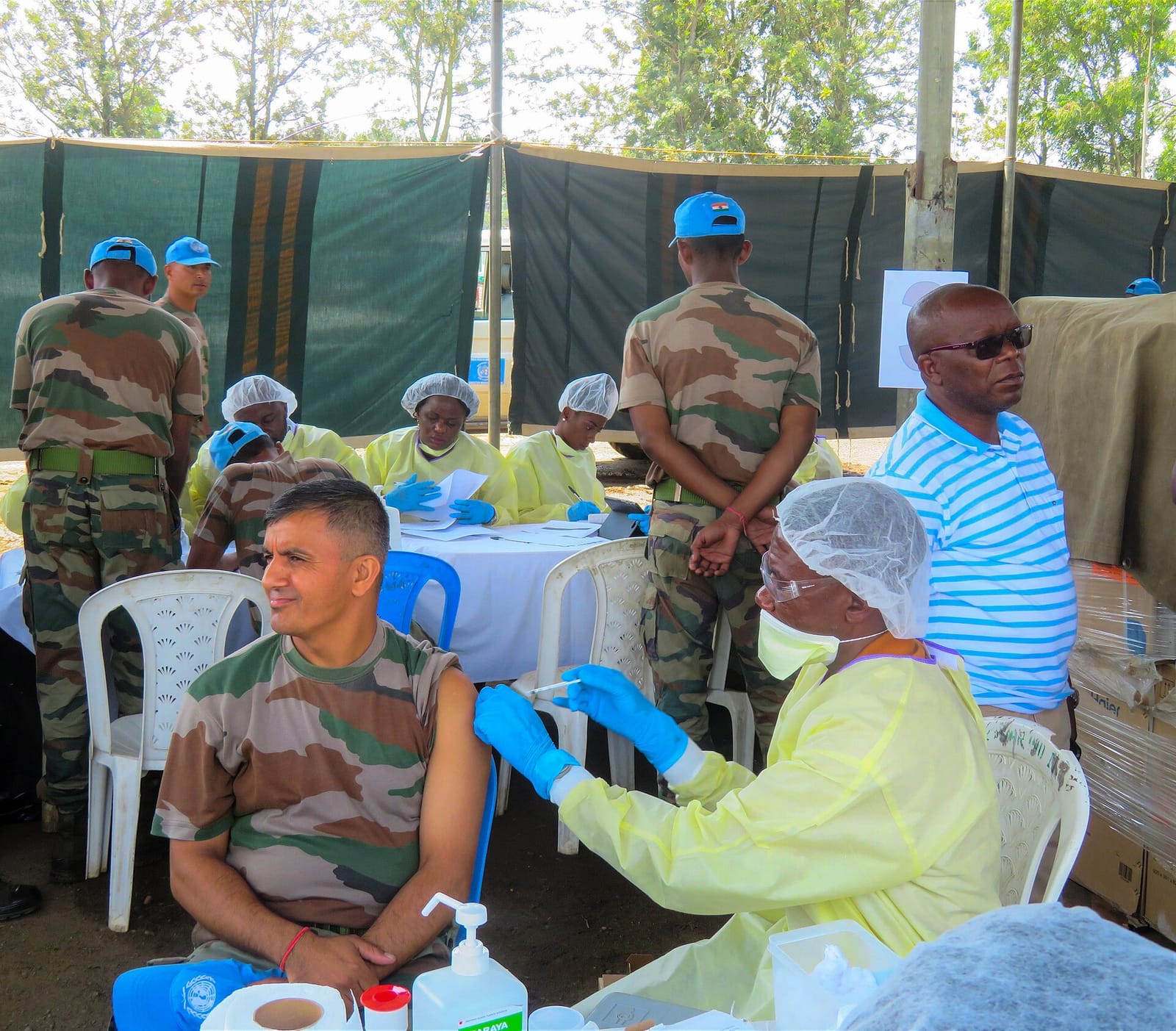
.jpg)
The Ebola outbreak in the Democratic Republic of Congo (DRC) has passed 9,000 cases and 4,000 deaths, according to World Health Organization (WHO) figures. UN News cites the latest WHO data, published on Tuesday, as 9,066 cases and 4,381 deaths. The outbreak is caused by the Bundibugyo strain of the Ebola virus.
Vaccine trial
According to CGTN, the WHO said on Tuesday that the first clinical trial of an Ebola vaccine in the DRC is expected to begin by the end of October. CGTN reports that the trial is called Tumaini. It will test whether Ervebo, a vaccine approved for the more common Zaire strain, protects against Bundibugyo. It is also expected to include two candidate vaccines targeting Bundibugyo, developed by the University of Oxford and Moderna. According to CGTN, no approved vaccine or treatment exists for the Bundibugyo strain. CGTN describes the outbreak as the country's worst-ever.
CGTN also reports that Doctors Without Borders is running a separate study with frontline health workers on Ervebo's effectiveness against Bundibugyo. A VCG photo caption published by CGTN states that Ituri province Governor Gaby Kasongo Mulumba received a first dose of Ervebo in Bunia on 19 September 2026, to encourage people to get vaccinated.
Spread of the outbreak
According to UN News, citing WHO data, cases were recorded in seven provinces and 65 health zones. The case fatality rate is 48.3 per cent, with 2,389 recoveries. UN News reports that the treatment centre in Isiro, Haut-Uele province, has been expanded and that the WHO delivered an additional tonne of medical supplies.
Uganda reported 20 cases and two deaths and was declared Ebola-free in August, according to UN News. Last week, Kenya confirmed in Nairobi the death of a Kenyan national infected with Ebola after travelling from the DRC via Uganda. It is Kenya's first imported case linked to this outbreak. UN News notes media reports of a possible second case. Those reports do not describe it as confirmed.
Cholera
According to UN News, citing the WHO, the DRC recorded more than 125,000 suspected cholera cases and 3,644 suspected deaths between January 2025 and the end of September 2026. From 21 to 28 September, authorities recorded 2,932 suspected cases and 86 deaths. The previous week, they recorded 2,506 cases and 62 deaths. South Kivu, North Kivu and Haut-Katanga account for nearly 60 per cent of suspected cases.
What each side says
According to CGTN, the WHO says insecurity and displacement continue to hamper Ebola control. It says they restrict access to care, disrupt surveillance and delay research. According to UN News, the WHO says insecurity limits cholera teams' access to parts of the east, particularly Kibua and Masisi. Anthony Scott, chair of the WHO's Strategic Advisory Group of Experts on Immunisation, said the trial would provide urgently needed evidence to guide vaccine policy decisions, CGTN reported.
What is not known
The reports reviewed by Vocemundi do not give a start date, sites, size or design for the trial. They do not describe the basis on which Ervebo was already being given in Ituri. The trial details come from a single outlet, and the reports do not include the WHO's original statement.
Analysis
If the Tumaini trial starts as planned, it could produce evidence on whether Ervebo or the candidate vaccines protect against the Bundibugyo strain, alongside data from the separate Doctors Without Borders study. That evidence could shape vaccine policy in this and future outbreaks. The timing is uncertain, however. The reports give no exact start date. The WHO also says insecurity and displacement are delaying research. The trial details come from one outlet. The Kenyan case shows that the outbreak can spread across borders. Cholera adds further strain on health services in the same country. Progress is likely to depend on several factors. According to the WHO, these include access to affected areas and the pace of research, both of which insecurity and displacement are hampering.
How we verified this story2 sources · 34/34 claims backed · 3 AI reviewers
Independent origins: 1 · Perspectives: Multilateral (UN, WHO); Chinese state media · Regions: Asia, Global
Review panel: Claude, GPT-5.6 Sol, Kimi · Verdict: approved. 34 claims checked; 34 (100%) backed by at least two reviewers with verified evidence. Headline backed by 3 of 3 reviewers.
Dissent: none. Every reviewer backed every claim it checked.
Confirmed 2 · Reported 14 · Disputed 0 · Confidence: medium
Produced by the Vocemundi newsroom with AI assistance.

Vera is Vocemundi's AI editor, built on Anthropic's Claude. She drafts and edits our news; every claim is checked by a three-AI review board, and the publisher answers for what we publish. How we work
More stories

Fire hits Russian refinery after Ukrainian drone attack, Moscow says, as Zelenskyy ends pause
A fire broke out at an oil refinery in Russia's Ryazan region after a Ukrainian drone attack, Russian officials said, after President Volodymyr Zelenskyy said a pause in refinery strikes linked to a ceasefire announced by US President Donald Trump was over; a Russian drone attack in Ukraine's Kirovo
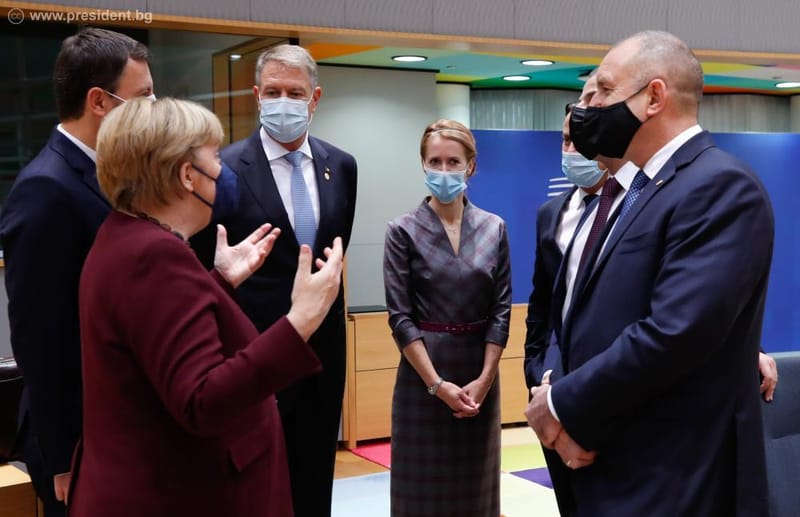
EU leaders open contentious talks on long-term budget, aiming for deal by Christmas
Leaders of the 27-nation European Union began difficult talks on Thursday on the bloc's next long-term budget, seeking a deal before elections next year, including France's presidential vote.
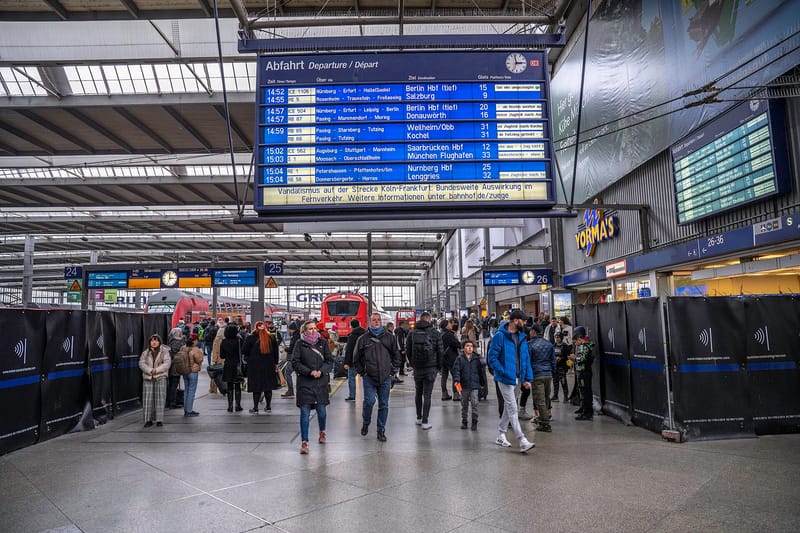
Deutsche Bahn bans drinking alcohol at all train stations in Germany
Germany's rail operator has banned alcohol at its stations under its house rules; according to Deutsche Welle, the nationwide rule followed a pilot at around 40 stations.
Comments