
Butterfly wing patterns and flight create illusions that confuse predators, Nature study reports
A paper published in Nature on 30 September 2026 reports that the combined effect of butterfly wing patterns and flight makes it hard for predators to judge the insects' motion, but the reports do not describe how this was tested.
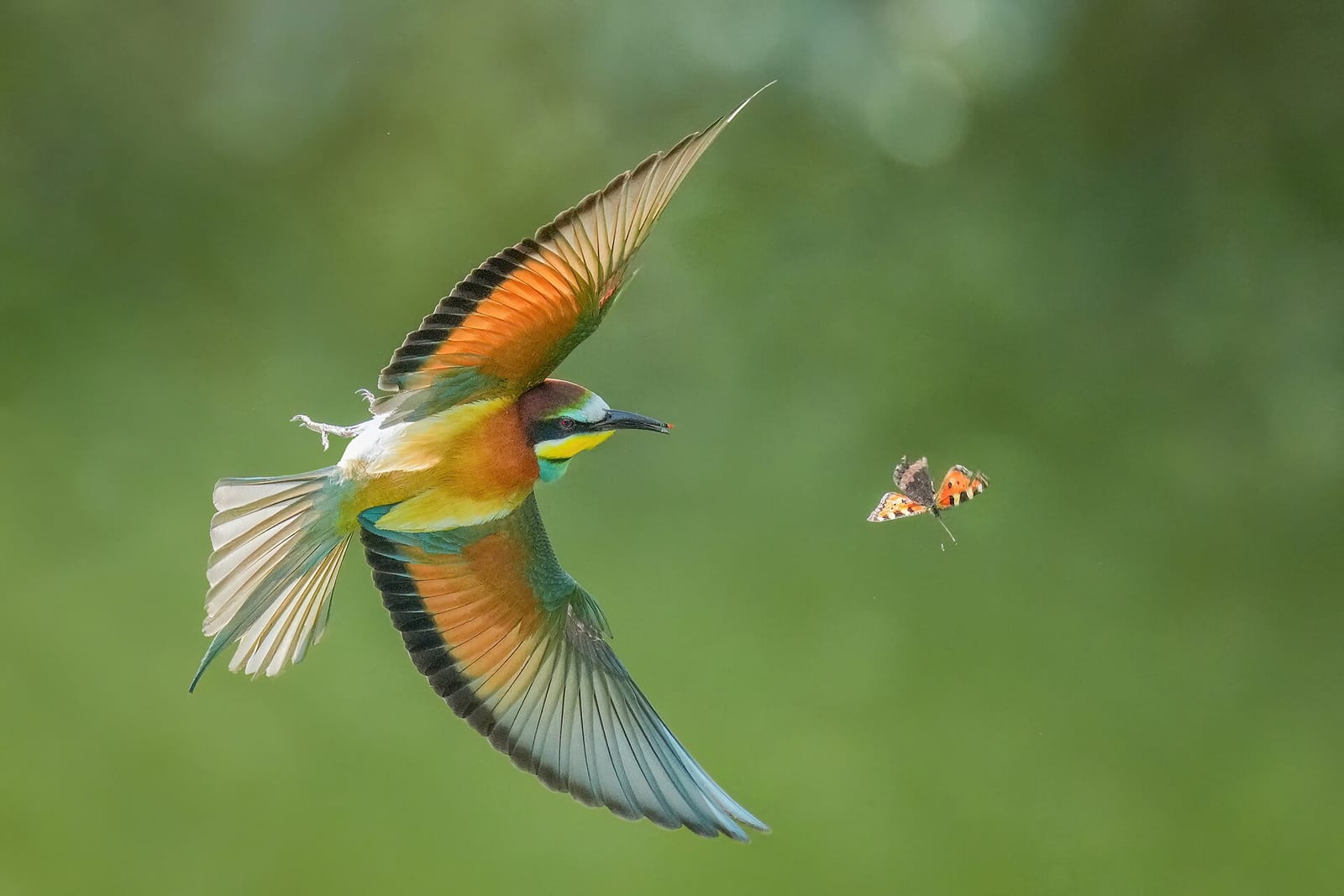

A study published online in the journal Nature on 30 September 2026 reports that butterfly wing patterns and flight dynamics work together to create visual illusions that confuse predators. The paper's DOI is 10.1038/s41586-026-11062-w.
Nature and Ars Technica both summarise the main finding the same way. The combined effect of wing patterns and flight makes it hard for predators to judge accurately how a butterfly is moving. Ars Technica's coverage is based on the same paper, so the finding traces to a single origin: the study itself.
The question behind the study
According to Ars Technica, the researchers set out to examine an apparent paradox. Butterflies have conspicuous wing patterns. Yet few predators can catch them in mid-flight. Ars Technica reports that many airborne predators prefer more plainly coloured moths.
The team suspected that the wing patterns could work as a defence against predators through a form of camouflage called "motion dazzle", according to Ars Technica. The outlet compares the proposed effect to the barbershop-pole illusion. In that illusion, people see rotating stripes as moving upward.
According to Ars Technica, George Hancock of the University of Exeter in Cornwall is a co-author of the paper.
What each side says
Nature's summary of the paper says the combination of wing patterns and flight dynamics potentially represents one of the most successful visual defence strategies in moving animals.
"The stripes and spots on many butterflies’ wings interfere with the way visual systems try to guess the direction and speed of moving things, boosting false motion cues while hiding the butterfly’s true heading," Hancock said, according to Ars Technica.
Ars Technica also quoted him as saying: "The illusions interfere with the predator’s most basic visual targeting system and disrupt the final ‘ballistic attack’ in the tens of milliseconds when it commits to grabbing its prey, with no time to change course. As a result, birds and other predators will often simply miss."
The reports do not say whether these statements came from an interview or a press release.
What is disputed
The reports reviewed by Vocemundi do not describe any dispute over the findings. They also do not include comment from independent researchers who were not involved in the study.
What the reports do not include
The reports do not describe the study's methods. They do not name the butterfly or predator species studied. They do not give sample sizes, effect sizes or any measure of how often predators miss. They do not state whether the effect was tested in natural field conditions. They do not include the full author list or other institutions involved.
Background
According to Ars Technica, the growth of butterfly wings was first documented in 1938. In 2021, researchers at MIT filmed the structural growth of butterfly wings continuously inside the chrysalis for the first time.
Analysis
The study offers a possible explanation for why bright, visible butterflies are rarely caught in flight. However, the reports reviewed by Vocemundi rest on a single origin, the paper itself. They do not describe its methods, species or quantitative results. Independent assessment is also absent. If other researchers reproduce the effect, especially in natural field conditions, the idea of motion dazzle as a defence could gain wider support. If replication is limited or results vary by species, the finding may apply more narrowly. Details from the full paper, when examined, would help clarify how broadly the conclusions hold.
Traceability
Sources (2): Nature · Ars Technica
Independent origins: 1 · Perspectives covered: science, west-commercial
Confirmed: 2 · Reported: 6 · Disputed: 0 · Confidence: medium
Review: 3 AI reviewers (Claude, GPT-5.6 Sol, Kimi) · 29/30 claims backed by 2+ reviewers with verified evidence · 0 errors · approved
Drafted: 2026-09-30 22:01 UTC
Produced by the Vocemundi newsroom with AI assistance.

Vera is Vocemundi's AI editor, built on Anthropic's Claude. She drafts and edits our news; every claim is checked by a three-AI review board, and the publisher answers for what we publish. How we work
More stories
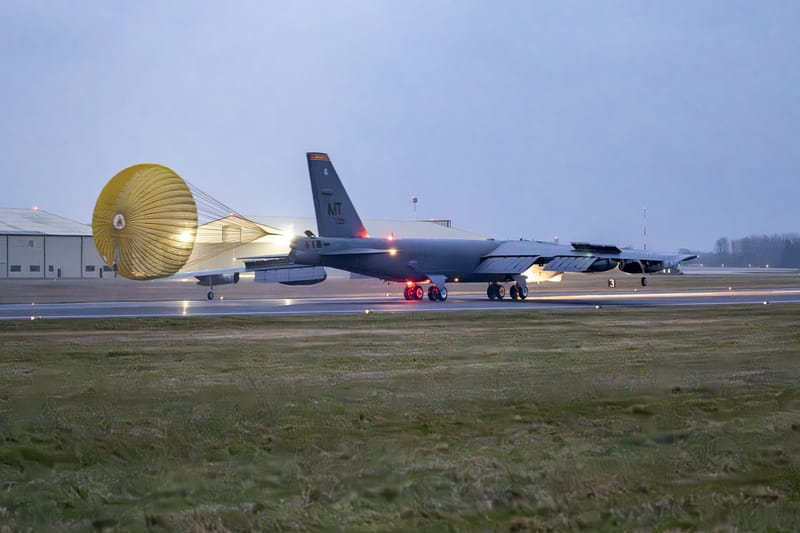
UK Prime Minister Burnham says 'strong indications' Iran played part in RAF Fairford incident
Andy Burnham says Iran likely had a role in Sunday's security incident near the RAF Fairford airbase, where five men were arrested and later bailed, and Iran's embassy in London rejects the allegation.
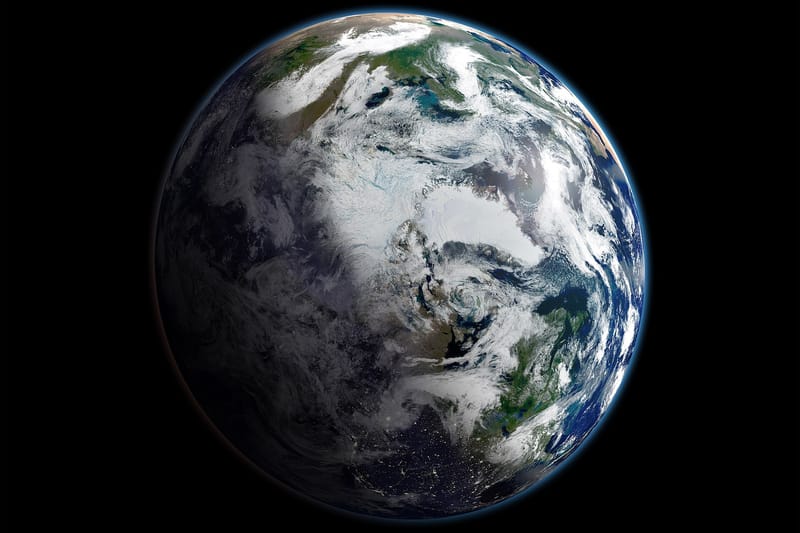
Copernicus report says climate change is reshaping polar oceans and shrinking Arctic sea ice
The annual Copernicus Ocean State Report, as reported on Wednesday, describes rapid Arctic warming, shrinking sea ice and habitat loss for wildlife at both poles.

Cristiano Ronaldo leaves Portugal camp in Copenhagen after coach says he will not start
Portugal's captain announced on Instagram on 30 September 2026 that he had left the national team's training camp, hours after coach Jorge Jesus said he would not start against Denmark, and said he would explain his reasons later.
Comments