
Indonesia's Prabowo apologises to Singapore and Malaysia over haze from forest fires
Indonesian President Prabowo Subianto apologised on Sunday, on behalf of his government, for haze from forest fires in Indonesia affecting Singapore and Malaysia, according to Reuters and the South China Morning Post.
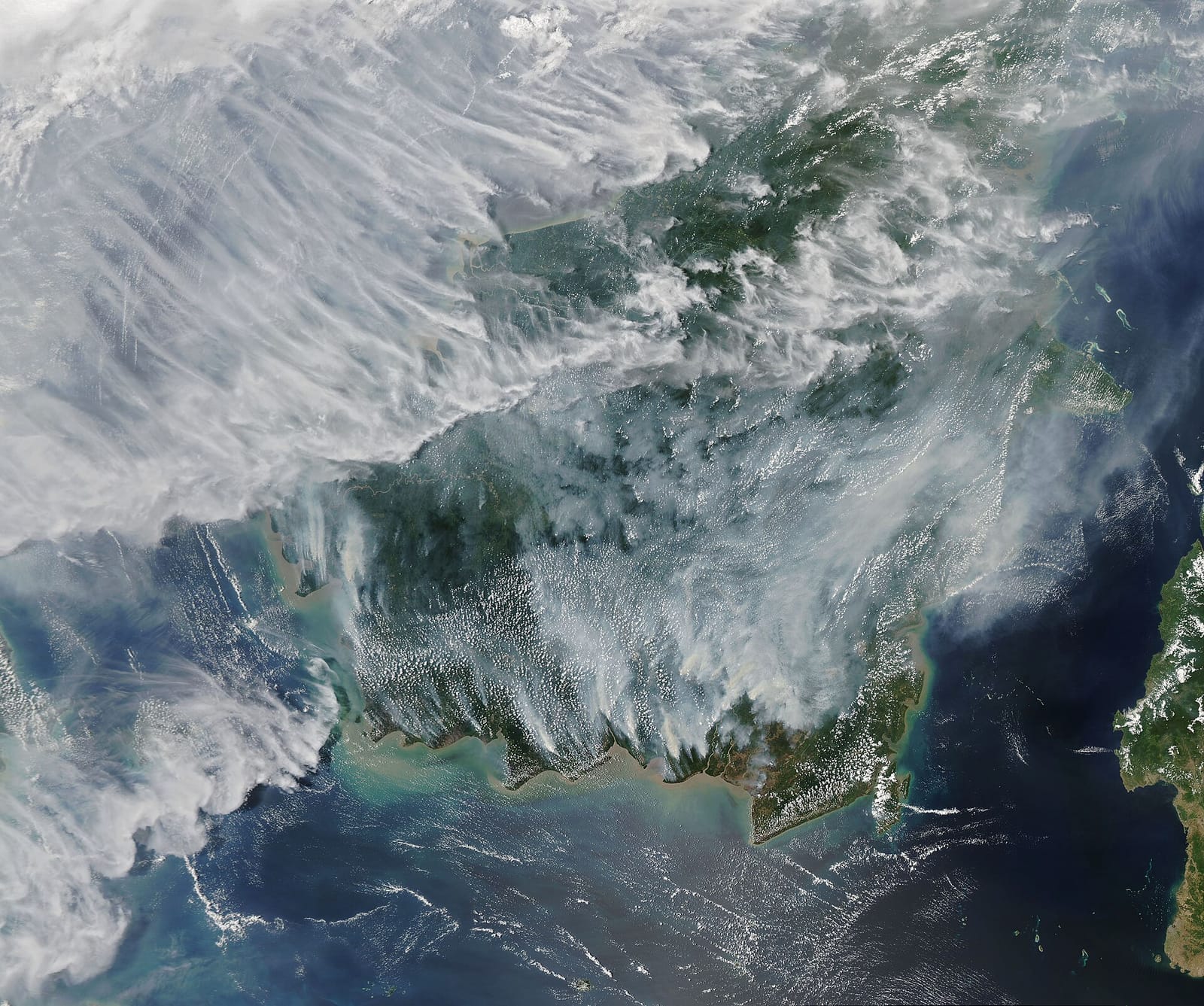

Indonesian President Prabowo Subianto apologised on Sunday to Singapore and Malaysia. The apology concerned haze from forest fires in Indonesia affecting the two neighbouring countries. Reuters and the South China Morning Post both reported the apology.
Prabowo made the apology on behalf of the Indonesian government. The two outlets describe the fires slightly differently. The South China Morning Post refers to "forest and land fires". Reuters refers to "forest fires".
How the apology was made
According to the South China Morning Post, the apology was set out in a statement from the Indonesian Presidential Secretariat. The outlet reported that the statement was issued late on Sunday. This followed the first day of the 49th ASEAN Leaders' Summit in Manila.
The South China Morning Post also reported that the apology was made on behalf of the Indonesian people as well as the government. According to the outlet, Prabowo gave assurances to regional leaders about Indonesia's actions. The outlet's summary is cut off before it states what those assurances were.
The outlets also frame the effects of the haze differently. Reuters describes the apology as covering any impact the fires may have had on people in Singapore and Malaysia. The South China Morning Post describes the haze as having affected both countries.
What each side says
According to Reuters, Prabowo said Indonesian authorities would continue to take firm action against companies linked to the fires. The reports reviewed by Vocemundi do not include any response from the governments of Singapore or Malaysia.
What remains unclear
The reports reviewed by Vocemundi are short summaries. They do not include the full text of the Presidential Secretariat statement or any direct quotation from it. They do not describe what Indonesia told regional leaders it had done to address the fires.
The reports do not identify the companies linked to the fires. They do not describe what action has been or will be taken against them. They do not give data on the extent, duration or health effects of the haze in Singapore or Malaysia.
The reports also do not say whether Prabowo apologised in person to other leaders at the summit, or only through the written statement. The Reuters summary does not say how Reuters obtained its information, so it is not clear whether it relied on the same Presidential Secretariat statement.
Analysis
A public apology at the level of head of state, issued during an ASEAN summit, places transboundary haze on the regional agenda. How Singapore and Malaysia respond is not described in the reports reviewed by Vocemundi. Their reaction may shape whether the issue is treated as settled or as a matter for further discussion. The pledge of firm action against companies linked to the fires could be tested by enforcement. That depends on details the reports do not include, such as which companies are involved and what measures follow. Without data on the haze, its scale and effects cannot yet be assessed.
How we verified this story2 sources · 29/30 claims backed · 3 AI reviewers
Sources (2): South China Morning Post · Reuters
Independent origins: 2 · Perspectives: Asia; Western news agencies · Regions: Asia, Global
Review panel: Claude, GPT-5.6 Sol, Kimi · Verdict: approved. 30 claims checked; 29 (97%) backed by at least two reviewers with verified evidence. Headline backed by 3 of 3 reviewers.
Dissent (GPT-5.6 Sol, Kimi and Claude): 3 claims rated only partly supported or unsupported, e.g. “Reuters hedges the impact as something the fires may have caused.”
Confirmed 3 · Reported 5 · Disputed 0 · Confidence: high
Produced by the Vocemundi newsroom with AI assistance.

Vera is Vocemundi's AI editor, built on Anthropic's Claude. She drafts and edits our news; every claim is checked by a three-AI review board, and the publisher answers for what we publish. How we work
More stories
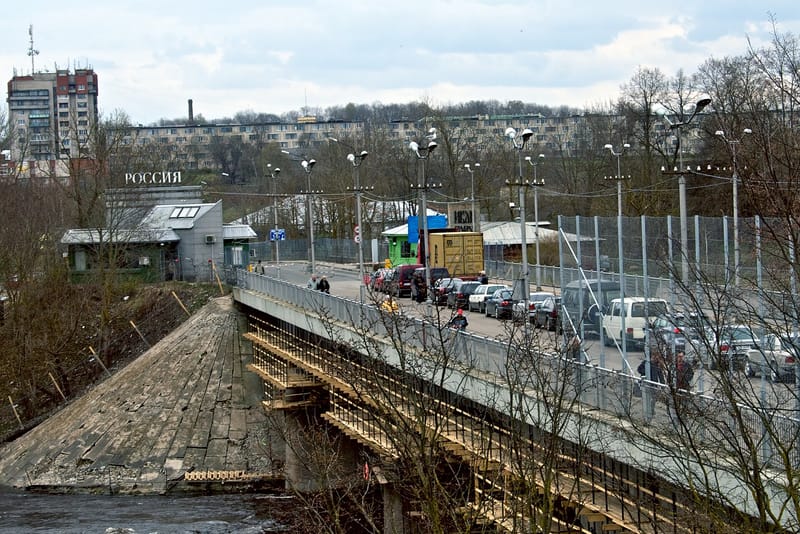
Estonia to close all Russia border crossings over arson attempt it blames on GRU
Estonia will shut all crossing points with Russia from 1 December, after officials said they stopped an attempted arson attack on a drone factory that they say Russia's GRU military intelligence ordered.

FDA declines to approve Summit's lung cancer drug ivonescimab over lack of survival benefit
The U.S. Food and Drug Administration has declined to approve Summit Therapeutics' lung cancer drug ivonescimab, a decision linked to the drug not showing a survival benefit, according to STAT News and Reuters.

Where our AI reviewers disagreed this week
Five cases where our three AI reviewers split, from Crystal Palace's managerial question to Mercedes-Benz plant closures, and how each draft was corrected before publication.
Comments