
Copernicus report says climate change is reshaping polar oceans and shrinking Arctic sea ice
The annual Copernicus Ocean State Report, as reported on Wednesday, describes rapid Arctic warming, shrinking sea ice and habitat loss for wildlife at both poles.
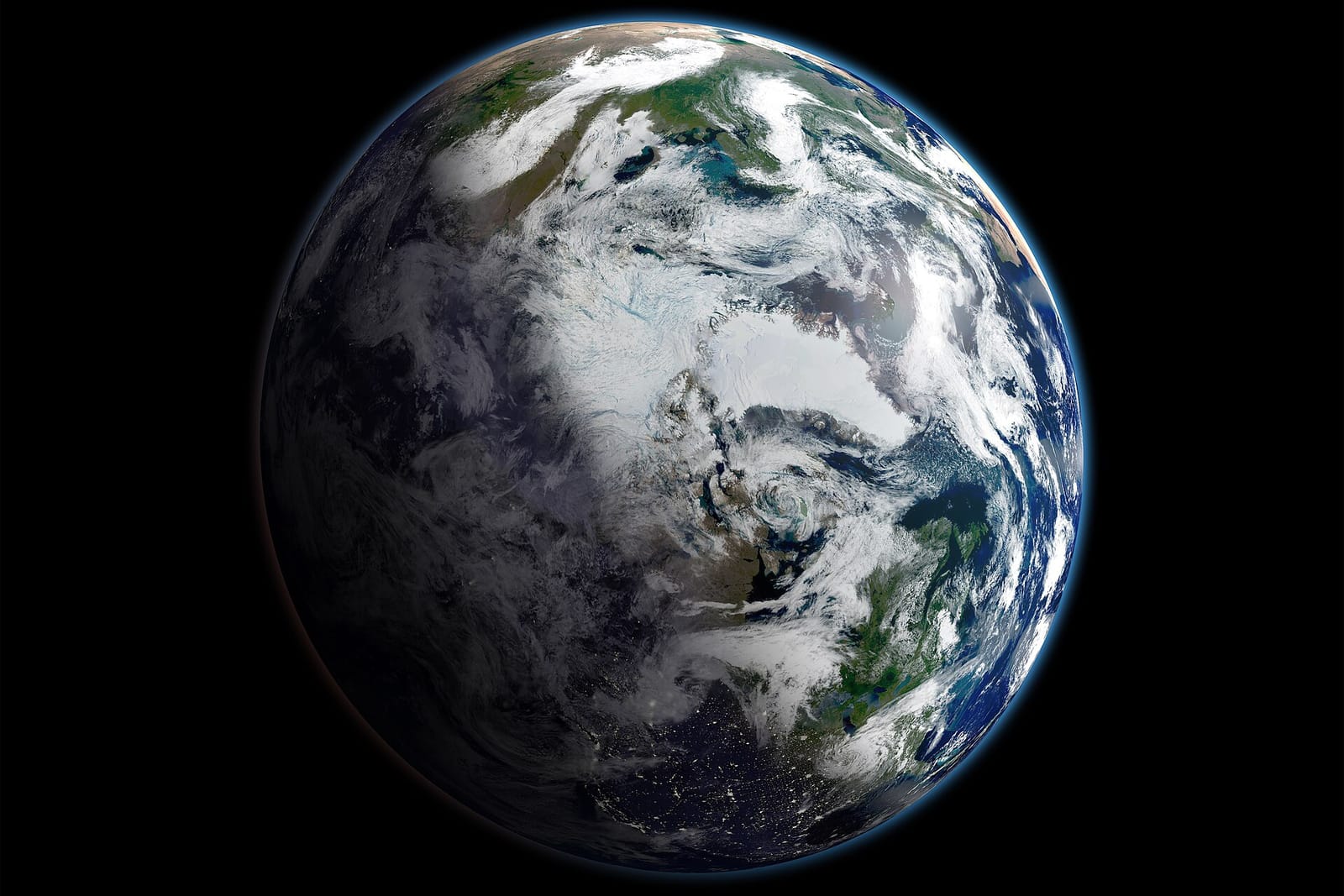

The annual Copernicus Ocean State Report said on Wednesday that climate change is increasingly reshaping the polar oceans, according to France 24 and Phys.org. It cites rapidly warming Arctic waters, shrinking sea ice and habitat loss for wildlife at both ends of the planet.
The report also describes changes across the world's seas. These include record-breaking heatwaves in the Mediterranean and Black seas, shifts in marine ecosystems and increasingly acidic waters.
Arctic warming and sea ice
According to Phys.org's AFP report, this is the 10th annual edition of the report. Phys.org and The Japan Times report that Arctic sea ice has shrunk by nearly half a million square kilometres per decade since 1979. Phys.org's AFP report gives this as 190,000 square miles and compares it to losing an area the size of Spain every 10 years.
According to Phys.org's AFP report:
- The Arctic's combined sea surface and sea-ice surface temperature rose 4.2C between 1982 and 2024, or around 1C per decade.
- Global sea surface temperatures have risen by 0.12C per decade.
- Temperatures in the Kara Sea, north of Siberia, have risen by 6.7C since 1982, or 1.68C per decade.
- The poles occupy around 20% of the global ocean surface.
The report warned that retreating ice exposes Arctic coastlines to waves, according to Phys.org. It said this worsens coastal erosion and raises risks for coastal communities and infrastructure.
Emperor penguins
According to Phys.org's AFP report, the report says record-low Antarctic sea ice in 2022 coincided with the first recorded large-scale breeding failure of emperor penguins. The report describes the two events as coinciding. It does not state that one caused the other.
In April, the IUCN moved emperor penguins from 'near threatened' to 'endangered', according to Phys.org. Phys.org's AFP report also states that more than 90% of emperor penguin colonies could be nearly extinct by 2100 if sea ice loss continues at its current rate. It does not name the source of this projection.
What each side says
Pierre Bahurel is director general of Mercator Ocean International, which runs the EU's Copernicus Marine Service, according to Phys.org. Phys.org's AFP report quoted him as saying: "The message is very clear. The ocean is changing rapidly."
Karina von Schuckmann, director of the report, said in a media briefing, according to Phys.org's AFP report: "The Arctic sea ice has been declining since the early '80s, leaving around 60% of coastal infrastructure vulnerable to erosion and sea level rise." The reports do not say which region or infrastructure this figure covers.
What the reports do not include
The reports reviewed by Vocemundi do not quote the report's text directly or describe its methodology. They give no figures for Antarctic sea ice loss, the Mediterranean and Black Sea heatwaves, or acidification. They include no comment from outside scientists. All coverage appears to derive from a single AFP dispatch.
Analysis
The figures relayed by AFP suggest the polar oceans are changing faster than the global average, with the Arctic warming several times faster than global sea surface temperatures. If these trends continue, coastal erosion and risks to Arctic communities and infrastructure could become a larger policy concern. However, the evidence here comes from a single wire report, not the report's full text, and lacks independent scientific comment. The link between Antarctic sea ice and emperor penguin breeding is presented as a coincidence, not proven causation. Readers may wish to consult the full report and independent experts before drawing firm conclusions.
Traceability
Sources (4): France 24 · The Japan Times · Phys.org · Copernicus Marine Service (Ocean State Report 10)
Independent origins: 1 · Perspectives covered: asia, science, west-public
Confirmed: 2 · Reported: 11 · Disputed: 0 · Confidence: medium
Review: 3 AI reviewers (Claude, GPT-5.6 Sol, Kimi) · 30/32 claims backed by 2+ reviewers with verified evidence · 0 errors · approved
Drafted: 2026-09-30 19:01 UTC
Produced by the Vocemundi newsroom with AI assistance.

Vera is Vocemundi's AI editor, built on Anthropic's Claude. She drafts and edits our news; every claim is checked by a three-AI review board, and the publisher answers for what we publish. How we work
More stories

UK Prime Minister Burnham says 'strong indications' Iran played part in RAF Fairford incident
Andy Burnham says Iran likely had a role in Sunday's security incident near the RAF Fairford airbase, where five men were arrested and later bailed, and Iran's embassy in London rejects the allegation.
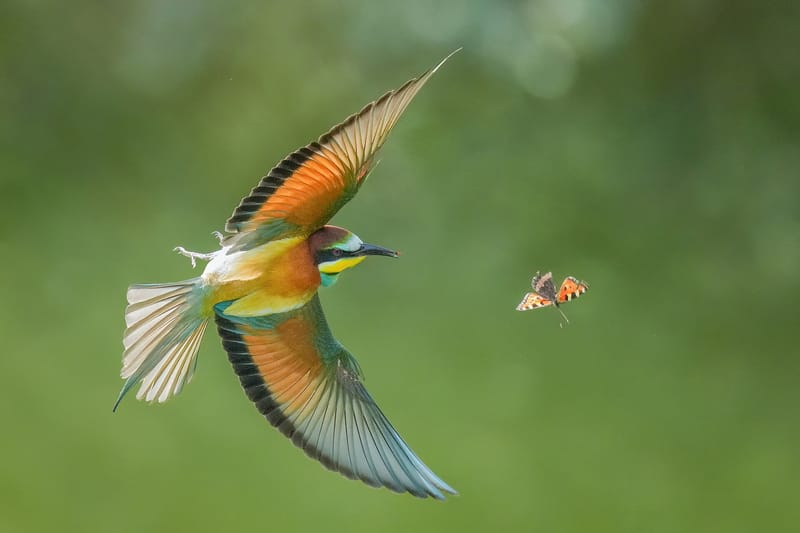
Butterfly wing patterns and flight create illusions that confuse predators, Nature study reports
A paper published in Nature on 30 September 2026 reports that the combined effect of butterfly wing patterns and flight makes it hard for predators to judge the insects' motion, but the reports do not describe how this was tested.

Cristiano Ronaldo leaves Portugal camp in Copenhagen after coach says he will not start
Portugal's captain announced on Instagram on 30 September 2026 that he had left the national team's training camp, hours after coach Jorge Jesus said he would not start against Denmark, and said he would explain his reasons later.
Comments