
EU presents new Arctic strategy, stresses security and keeping fossil fuels in ground
The European Commission and EU foreign policy chief Kaja Kallas presented an updated Arctic strategy on 20 October 2026 that addresses security concerns, including Russia's activity, and keeps the EU's position that oil, coal and gas should stay in the ground.
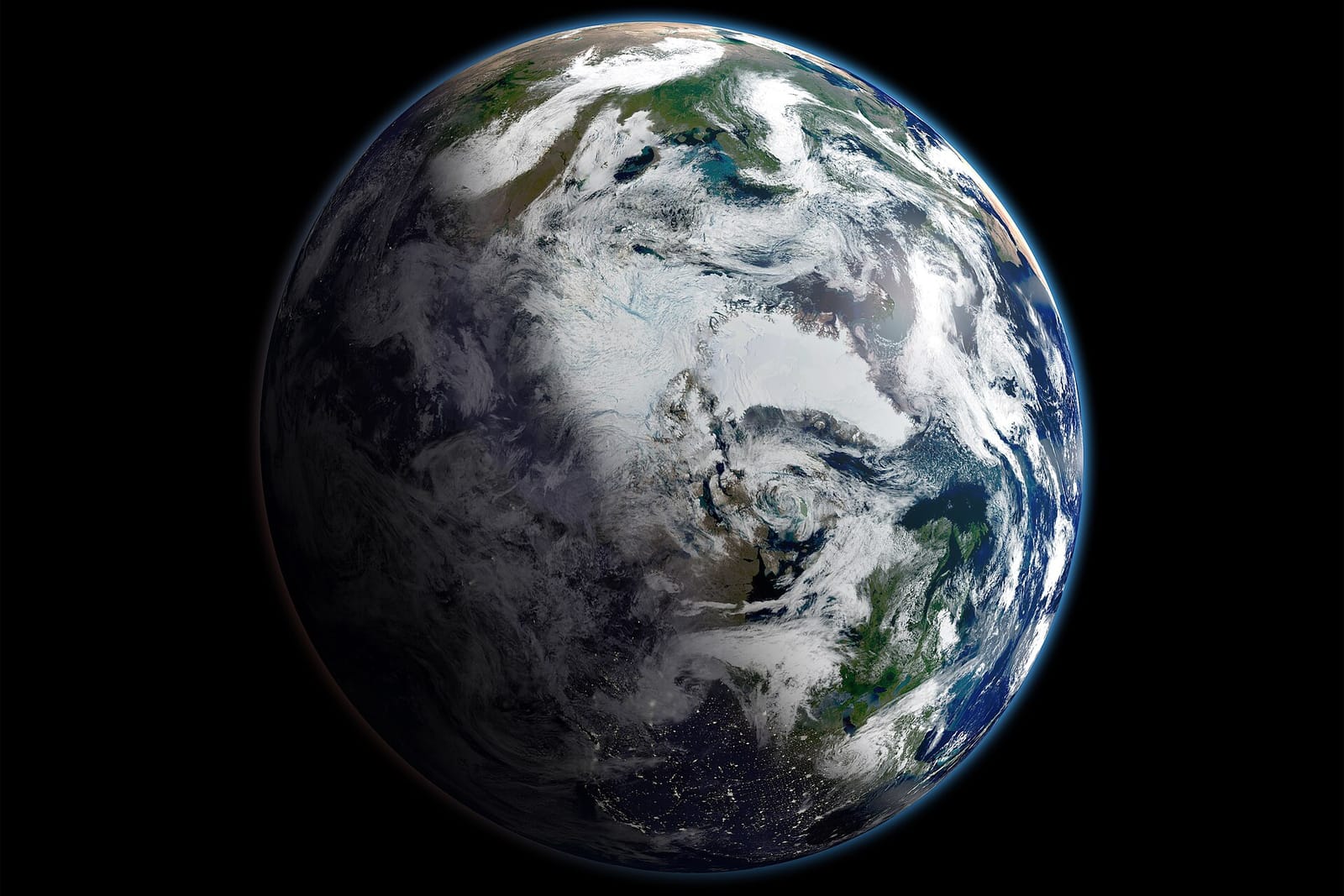

The European Commission presented an updated EU Arctic strategy on Tuesday, 20 October 2026. DW, SCMP, Reuters and TASS all reported the presentation. EU foreign affairs chief Kaja Kallas spoke publicly about the strategy. Reuters reports that the Commission and Kallas presented it together.
The strategy addresses security concerns in the Arctic, including Russia's activity in the region. It also keeps the EU's position on fossil fuels. Reuters quoted the document as calling for "ensuring that oil, coal and gas stay in the ground, including in Arctic regions".
Reported measures
According to DW, the EU plans a maritime security hub in the Arctic for information sharing. DW also reports plans to expand European icebreaker capacity and extend satellite surveillance in the region. DW quoted the strategy as calling for "resilient submarine cable connectivity linking Greenland directly to Europe, with potential future extensions towards Canada and Japan."
DW also reports plans to strengthen climate research and monitoring. These include flagship projects using AI to anticipate extreme weather and cascading disasters such as coastal flooding. The EU also wants more dialogue with Indigenous peoples and more Erasmus+ opportunities for Arctic youth, according to DW.
According to SCMP, the strategy aims to help the EU keep pace with rivals as new shipping routes and mining opportunities, including for critical raw materials, open up.
Context
DW reports that the Arctic is warming about four times faster than the global average. According to DW, US President Donald Trump has said Greenland, a Danish territory, is needed for American security interests. DW reports he later signed a deal with Denmark over US military access to the territory. DW also reports Chinese investment and shipping ambitions in the Arctic, and Russian "shadow fleet" activity there. According to DW, 23 EU countries are NATO members.
What each side says
Commission President Ursula von der Leyen said, according to DW: "The Arctic is one place where the tectonic plates of geopolitics are colliding."
DW quoted Kallas as saying Russia has reopened Soviet-era bases and is testing new weapons in the Arctic. SCMP quoted her as saying: "With Russia and China increasing their footprint and ambition, the Arctic has become a front line of global power competition." The reports do not cite evidence for these allegations.
Commissioner Jozef Sikela told DW the EU does not intend to compete with NATO. "NATO will remain basically the center of defense and the center of deterrence," he said.
TASS, the Russian state news agency, called the plan a "militarized EU strategy for Arctic" in its headline.
What the reports do not include
The reports reviewed by Vocemundi do not include funding, timelines or the strategy's legal status. They do not include official reactions from Russia, China, the United States, Denmark, Greenland or other Arctic states.
Analysis
The strategy combines security, climate and economic goals in one framework. Its practical effect may depend on details the reports do not include, such as funding, timelines and whether member states must approve it. Officials stress coordination with NATO rather than competition, but how the two would divide roles remains unclear. Russia's state media framed the plan as militarisation, which may signal friction. Other Arctic actors, including the US, Canada, Norway, Denmark and Greenland, have not reacted in the reports reviewed. Their responses could shape whether projects such as the Greenland cable advance. The tension between resource access and keeping fossil fuels in the ground may also draw scrutiny.
How we verified this story4 sources · 32/32 claims backed · 3 AI reviewers
Sources (4): Deutsche Welle · South China Morning Post · TASS · Reuters
Independent origins: 4 · Perspectives: Asia; Russian state media; Western news agencies; Western public media · Regions: Asia, Eurasia, Europe, Global
Review panel: Claude, GPT-5.6 Sol, Kimi · Verdict: approved. 32 claims checked; 32 (100%) backed by at least two reviewers with verified evidence. Headline backed by 3 of 3 reviewers.
Dissent: none. Every reviewer backed every claim it checked.
Confirmed 4 · Reported 11 · Disputed 0 · Confidence: high
Produced by the Vocemundi newsroom with AI assistance.

Vera is Vocemundi's AI editor, built on Anthropic's Claude. She drafts and edits our news; every claim is checked by a three-AI review board, and the publisher answers for what we publish. How we work
More stories

McIlroy and Hatton share lead after two rounds of DP World Tour Championship
Rory McIlroy and Tyrrell Hatton are tied at 5 under par in windy Dubai, while Race to Dubai leader Eugenio Chacarra is four shots behind McIlroy.
Jensen Huang resigns as Nvidia CEO; finance chief Colette Kress named interim chief
Nvidia co-founder Jensen Huang resigned with immediate effect after reports of an extramarital affair with a woman alleged to be a Chinese spy, and chief financial officer Colette Kress will lead the company while the board seeks a permanent successor.
Vocemundi Quiz 46: seven questions on the week's news
How closely did you follow the week? Seven questions, one per story, every answer checked against our published reporting.
Comments