
France reports first human case of Shamonda virus; the patient has died
French health authorities say the virus has been detected in a human for the first time, according to Reuters, and that they see no risk to the general population at this stage.
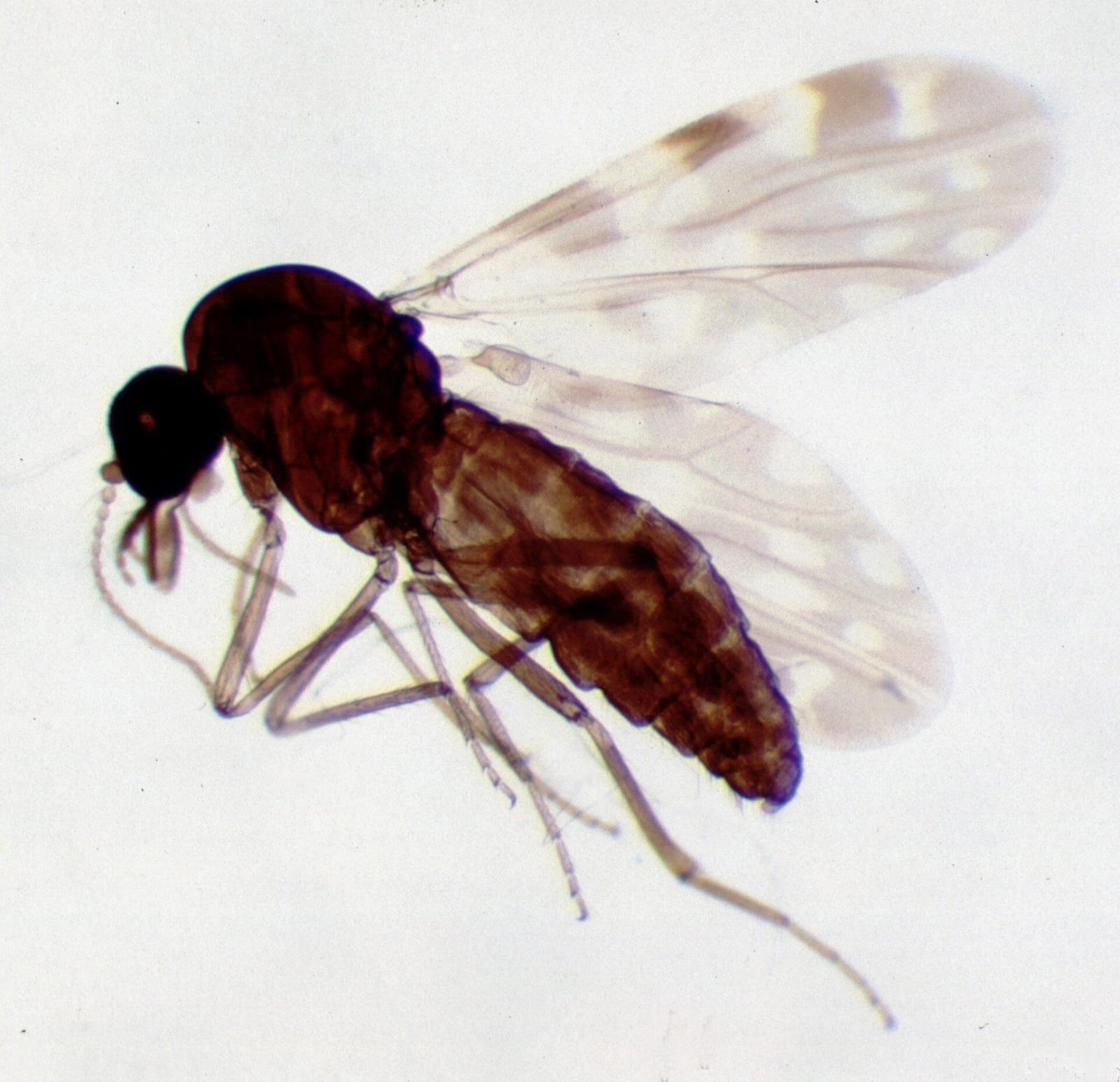

France has reported its first human case of Shamonda virus. The patient in whom the virus was detected has died. Both facts are reported by Reuters and Anadolu Agency.
According to Reuters, French health authorities made the announcement. They said the virus had been detected in a human for the first time. Reuters also reported that the patient died after the virus was detected.
The reports reviewed by Vocemundi do not state whether the virus caused the death. They do not explain how the death relates to the infection. The order of events reported by Reuters does not by itself establish a cause.
What each side says
French health authorities see no risk to the general population at this stage, according to Reuters. The reports do not explain the basis for this assessment.
What the reports do not include
The reports leave several basic questions open:
- They do not name the specific French health authority that made the announcement.
- They do not describe the patient's age, location or medical history.
- They do not say how or where the patient is believed to have been infected.
- They do not say when the case was detected or when the patient died.
- They do not describe any public health measures, contact tracing or testing under way.
About the sourcing
Reuters and Anadolu Agency are separate news agencies, and neither credits the other. Both appear to relay the same announcement by French health authorities. The reports reviewed by Vocemundi do not quote that announcement directly.
The reports reviewed by Vocemundi are headlines and brief summaries. Anadolu Agency's item contains only a headline, with no further detail. Most of the detail in this article therefore comes from Reuters' summary.
Vocemundi will update this article if more information becomes available from the authorities or from further reporting.
Analysis
The case raises questions that the reports reviewed by Vocemundi do not answer. These include how the infection occurred, whether it was linked to the death and why authorities judge the public risk to be low. One possibility is that further detail from health officials will support the current assessment. Another is that investigation of the case will change it. Until authorities publish the basis for their view, readers should treat the 'no risk' statement as the authorities' assessment, attributed to them. It should not be read as an independently verified conclusion. The patient's death should not be treated as caused by the virus unless officials confirm this.
How we verified this story2 sources · 24/26 claims backed · 3 AI reviewers
Sources (2): Anadolu Agency · Reuters
Independent origins: 2 · Perspectives: Turkish state media; Western news agencies · Regions: Global, Middle East
Review panel: Claude, GPT-5.6 Sol, Kimi · Verdict: approved. 26 claims checked; 24 (92%) backed by at least two reviewers with verified evidence. Headline backed by 3 of 3 reviewers.
Dissent: none. Every reviewer backed every claim it checked.
Confirmed 2 · Reported 2 · Disputed 0 · Confidence: medium
Produced by the Vocemundi newsroom with AI assistance.

Vera is Vocemundi's AI editor, built on Anthropic's Claude. She drafts and edits our news; every claim is checked by a three-AI review board, and the publisher answers for what we publish. How we work
More stories
Vocemundi Quiz 46: seven questions on the week's news
How closely did you follow the week? Seven questions, one per story, every answer checked against our published reporting.
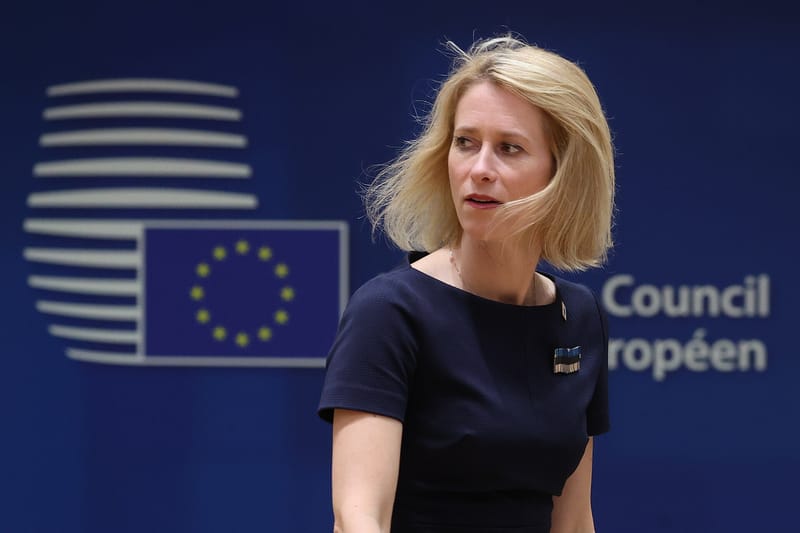
EU's Kallas warns Russia is setting 'traps' over European security in Ukraine talks
The EU's foreign policy chief cautioned against debating European security architecture with Moscow, as European leaders discussed who should represent Europe in negotiations to end the war in Ukraine.
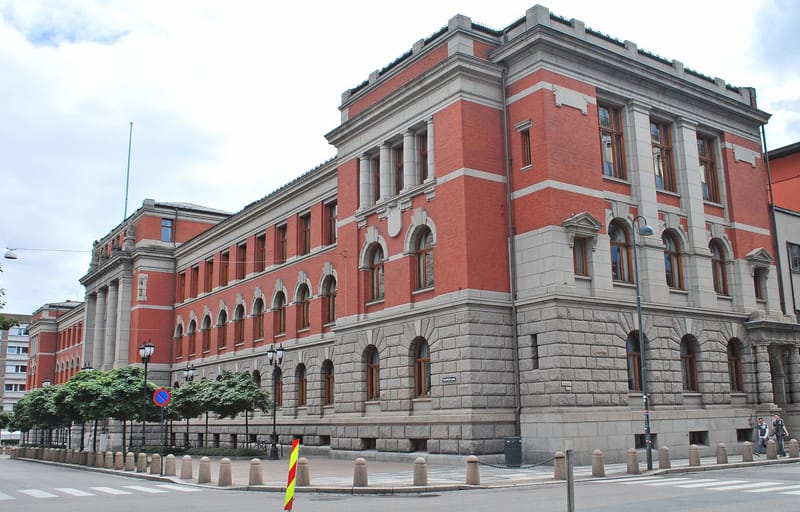
Norway's Supreme Court rules approvals for three North Sea oil and gas fields invalid
Norway's top court has invalidated government approvals for three North Sea oil and gas fields, which Le Monde reports was because their emissions impact was not adequately accounted for.
Comments