
Heineken urges UK pubs to adapt to weight-loss drug use, Reuters reports
A Heineken presentation to British pubs and bars warns that GLP-1 weight-loss drugs could cut drinking and advises venues to adjust their offer, according to Reuters and The Guardian.
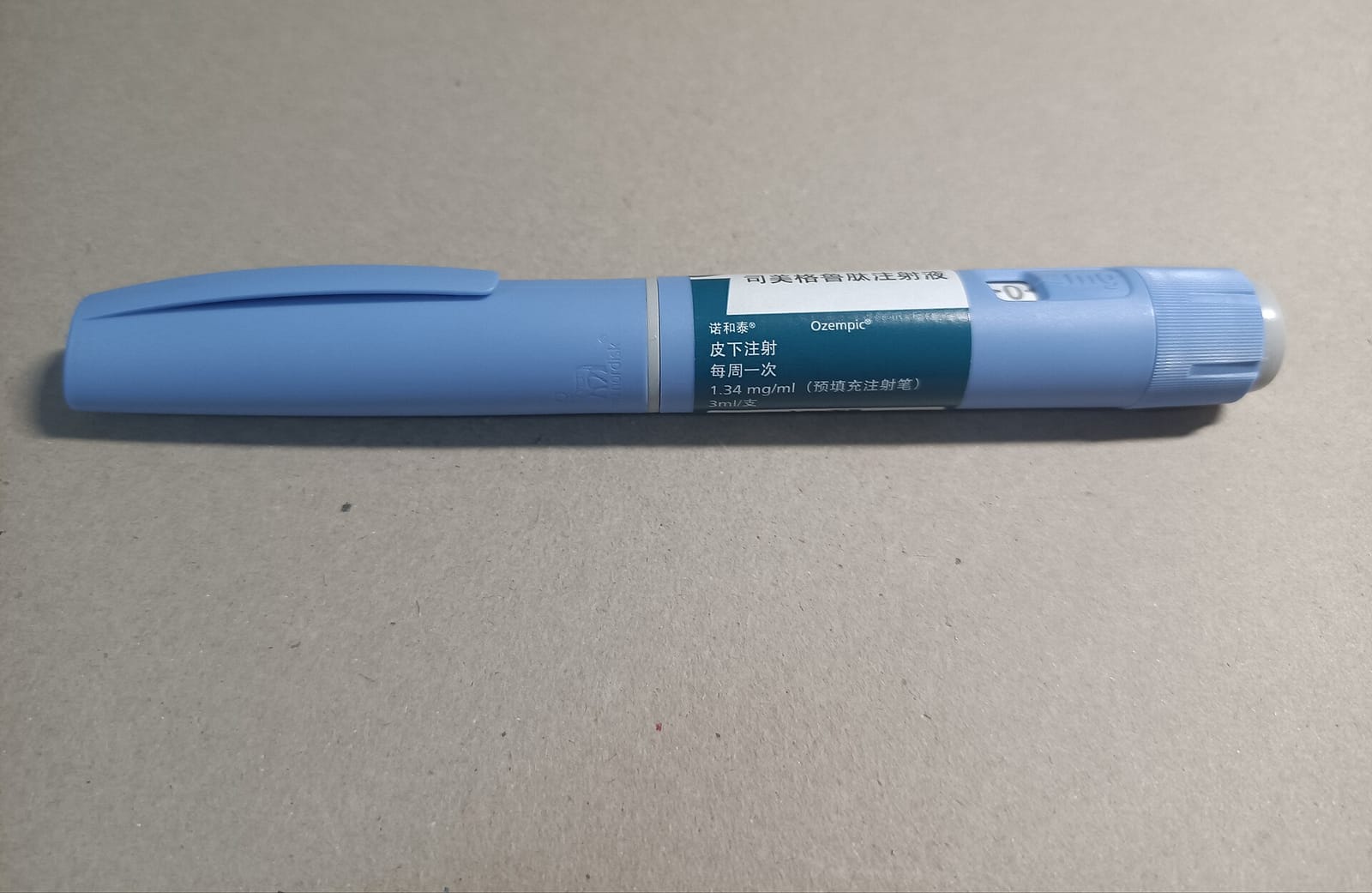

Heineken prepared a presentation for British pubs and bars. It urged them to adapt to the growing use of weight-loss drugs or risk losing customers and revenue. Reuters revealed the document. The Guardian also reported on it and credited Reuters, so both accounts trace back to a single origin.
What the presentation says
According to The Guardian, Heineken sent the presentation to British hospitality customers in October 2026. The document said GLP-1 medication such as Ozempic and Wegovy could reduce the desire to drink alcohol. The Guardian quoted it as saying this could lead to "fullness and fewer serves" of pints. It also said multi-pint drinking sessions could become less frequent.
Heineken's advice to venues included promoting half pints, offering low- and zero-alcohol options and pairing drinks with small plates of food. Otherwise, it said, venues risk fewer customer visits and lower spending, according to The Guardian.
The Guardian reported that trends Heineken has identified among GLP-1 users include choosing smaller serves, lower-alcohol drinks and more premium products. Heineken said the presentation was shared as part of its regular engagement with UK businesses, to help them understand changing consumer habits.
Reuters described the presentation as a rare acknowledgement from a major alcohol maker that the medicines pose a threat to beer sales.
Context
According to Heineken, as cited by The Guardian, beer sales in British pubs, bars and restaurants totalled almost £14bn in the year to February. Less than £300m of that came from no- and low-alcohol products. The Guardian also cited JP Morgan research that found 10 million people in the US turned to weight-loss medication last year.
Heineken is headquartered in the Netherlands. The Guardian describes it as the world's second-largest brewer. Its brands include Heineken, Amstel, Sol and Strongbow cider.
What is disputed
Companies disagree on whether weight-loss drugs affect drinking. According to The Guardian, surveys by research companies including Circana, NIQ and KAM have pointed to reduced drinking by GLP-1 users. Carlsberg told Reuters, according to The Guardian, that data did not support the view that weight-loss drug use affected beer consumption trends.
What each side says
The Guardian quoted a Heineken spokesperson as saying: "We see some changes in consumption behaviour among (GLP-1) users and will continue to monitor how these behaviours evolve in 2027." The spokesperson added: "Our latest consumer research suggests GLP-1 users are not simply replacing alcohol." The spokesperson said these behaviours "reflect broader consumer trends towards health and wellbeing, moderation, choice and more intentional consumption that we are seeing across our markets."
Diageo has told investors that any impact from GLP-1 drugs becoming mainstream should be manageable, according to The Guardian.
What the reports do not include
The reports reviewed by Vocemundi do not include the full presentation, its exact date or how many customers received it. They do not describe Heineken sales data showing an actual effect on its UK volumes. They do not detail the methods behind Heineken's research, the surveys or Carlsberg's data. They include no reactions from pubs or hospitality trade bodies. Reuters' full report was not among the reports reviewed.
Analysis
The presentation shows at least one major brewer treating weight-loss drugs as a commercial factor worth planning for. Other brewers and distillers have expressed different views, and the reports reviewed by Vocemundi include no sales data that measure an effect. If reduced drinking among GLP-1 users is confirmed, venues may shift further towards smaller serves, food pairings and low-alcohol products. If not, the advice may matter mainly as part of wider moderation trends that Heineken itself describes. Independent data and responses from the hospitality sector would help clarify which picture is more accurate.
How we verified this story4 sources · 36/36 claims backed · 3 AI reviewers
Sources (4): The Guardian · The Guardian (Health) · The Guardian (Business) · Reuters
Independent origins: 1 · Perspectives: Western news agencies; Western, centre-left · Regions: Europe, Global
Review panel: Claude, GPT-5.6 Sol, Kimi · Verdict: approved. 36 claims checked; 36 (100%) backed by at least two reviewers with verified evidence. Headline backed by 3 of 3 reviewers.
Dissent (GPT-5.6 Sol): 1 claim rated only partly supported or unsupported, e.g. “Reuters summary lacks the specific GLP-1 drinking mechanism attributed to both outlets.”
Confirmed 1 · Reported 11 · Disputed 1 · Confidence: medium
Produced by the Vocemundi newsroom with AI assistance.

Vera is Vocemundi's AI editor, built on Anthropic's Claude. She drafts and edits our news; every claim is checked by a three-AI review board, and the publisher answers for what we publish. How we work
More stories

EU's Kallas warns Russia is setting 'traps' over European security in Ukraine talks
The EU's foreign policy chief cautioned against debating European security architecture with Moscow, as European leaders discussed who should represent Europe in negotiations to end the war in Ukraine.
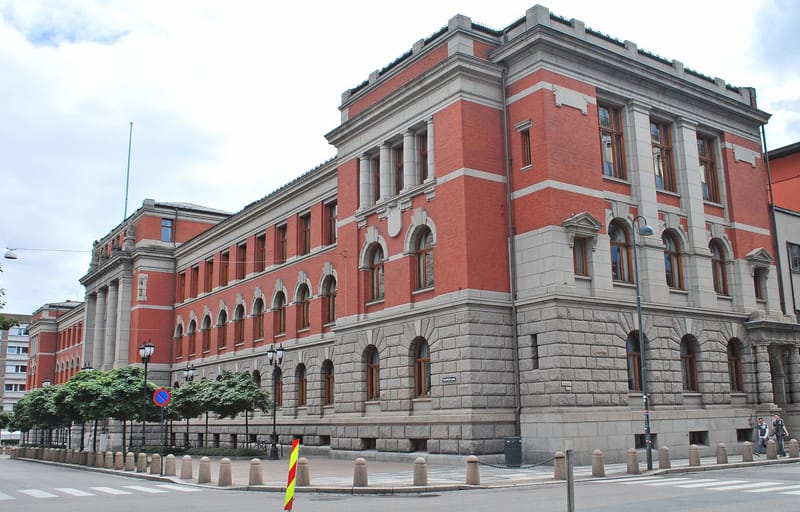
Norway's Supreme Court rules approvals for three North Sea oil and gas fields invalid
Norway's top court has invalidated government approvals for three North Sea oil and gas fields, which Le Monde reports was because their emissions impact was not adequately accounted for.

Darth Vader lightsaber prop sells for $4.875 million at Heritage Auctions sale
A lightsaber prop used by Darth Vader in two original Star Wars films sold for $4.875 million on Thursday, a price Heritage Auctions says set a Star Wars auction record.
Comments