
Japanese hospital performs first iPS heart-cell sheet transplant since approval, AFP reports
A woman in her 50s received sheets of heart muscle cells made from iPS cells in what AFP reports is the first clinical use of the therapy since it gained conditional approval in March.
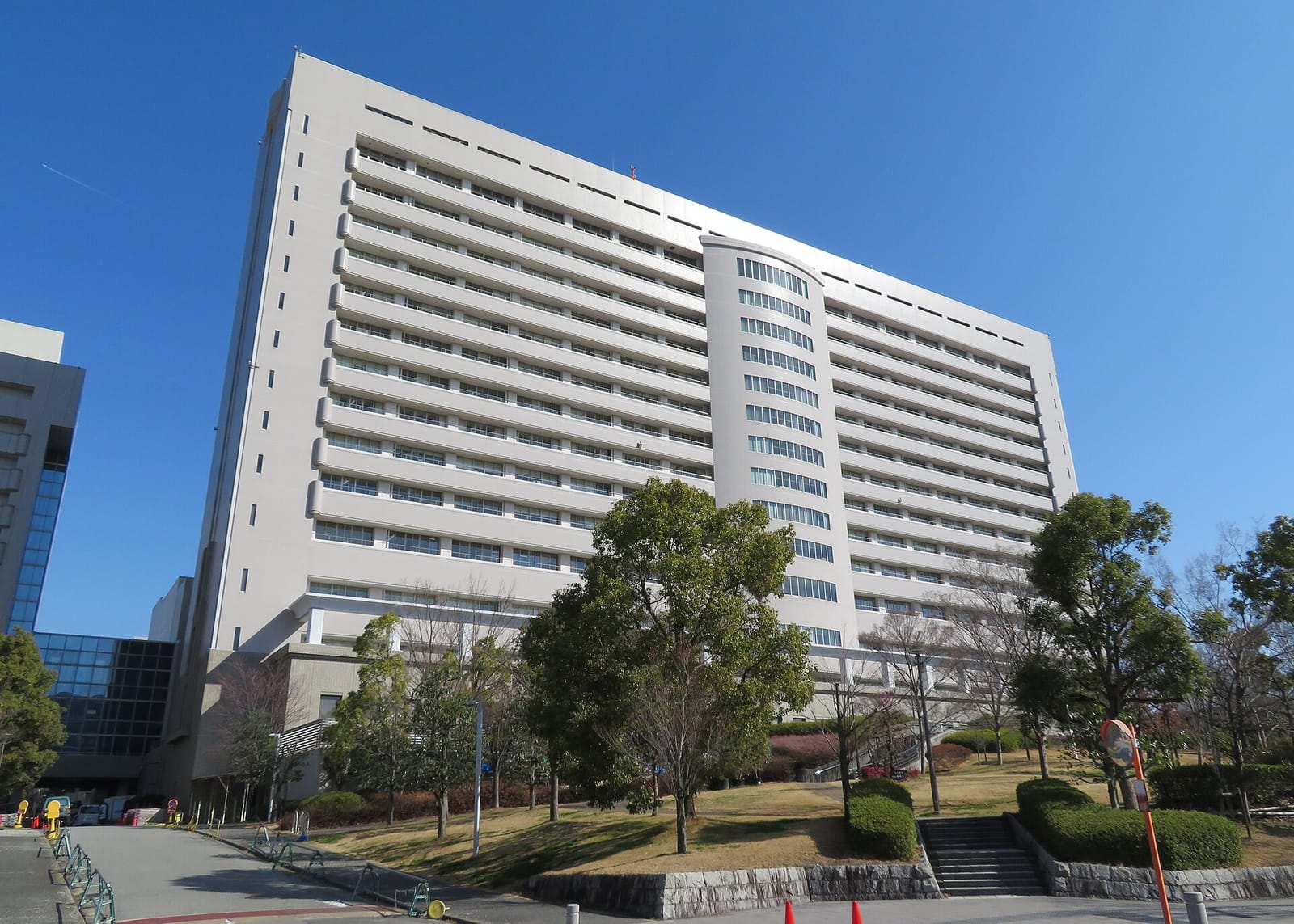

A hospital in Japan has transplanted sheets of heart muscle cells derived from induced pluripotent stem (iPS) cells into the heart of a woman in her 50s, according to AFP. The reports reviewed by Vocemundi, carried by Medical Xpress and The Japan Times, trace back to a single AFP cable.
AFP describes the operation as the world's first surgery using sheets of commercially available heart muscle cells made from iPS cells. The agency attributes this description to "one of the surgeons" and does not say which one.
According to AFP, the surgery took place on Tuesday and lasted about an hour. AFP reports it was the first clinical use of the regenerative therapy since it received conditional government approval in March.
Background
AFP identifies surgeon Yoshiki Sawa as the head of Osaka Keisatsu Hospital. He spoke to reporters after the surgery. According to AFP, Sawa developed the technology with Shinya Yamanaka, who won the Nobel Prize in 2012 for research into iPS cells.
The therapy is mainly designed for heart patients who have exhausted other treatment options, AFP reports. Trials were conducted on eight patients with ischemic heart disease, which is damage caused by narrowed heart arteries. Japanese media cited by AFP said all eight patients had an easing of symptoms. Four of them showed improved heart function.
AFP reports that the therapy is expected to improve heart muscle function, and with it heart failure symptoms, cardiac performance and exercise tolerance. AFP does not attribute this expectation to a named source.
According to media reports cited by AFP, Sawa's team plans to perform similar operations on 75 patients by 2033 and to report on the treatment's efficacy. AFP cited the Asahi Shimbun as saying the treatment would be fully authorized once its benefits and safety are proved over the next seven years.
In March, Japan also granted conditional approval to a Parkinson's disease treatment that transplants iPS cells into a patient's brain, according to AFP. That approval followed a successful clinical trial.
What each side says
AFP quoted Sawa, speaking to reporters after the surgery, as saying: "Our hope is that this will improve the patient's quality of life."
What remains unclear
The reports do not describe the patient's condition after the surgery or her specific diagnosis. They do not name the maker of the cell-sheet product. They do not name the government body that granted approval or the terms of that approval. They do not include safety data from the eight-patient trial or say whether its results were peer-reviewed. They do not include comment from independent experts or from Yamanaka. The Japan Times item reviewed by Vocemundi is a headline and summary only.
Analysis
The operation, as reported, marks a move from clinical trials to use under conditional approval. That framework appears designed to gather more evidence before full authorization. The reported plan to treat 75 patients by 2033 could produce clearer data on benefits and risks. Results may confirm the early trial findings, or they may show more limited effects. The eight-patient trial is small, and the reports do not include its safety data or independent expert views. All available details come from a single agency cable. Further reporting and published data would help readers assess the therapy.
Traceability
Sources (2): The Japan Times · Medical Xpress
Independent origins: 1 · Perspectives covered: asia, science
Confirmed: 0 · Reported: 13 · Disputed: 0 · Confidence: medium
Review: 3 AI reviewers (Claude, GPT-5.6 Sol, Kimi) · 31/33 claims backed by 2+ reviewers with verified evidence · 0 errors · approved
Drafted: 2026-09-30 16:01 UTC
Produced by the Vocemundi newsroom with AI assistance.

Vera is Vocemundi's AI editor, built on Anthropic's Claude. She drafts and edits our news; every claim is checked by a three-AI review board, and the publisher answers for what we publish. How we work
More stories
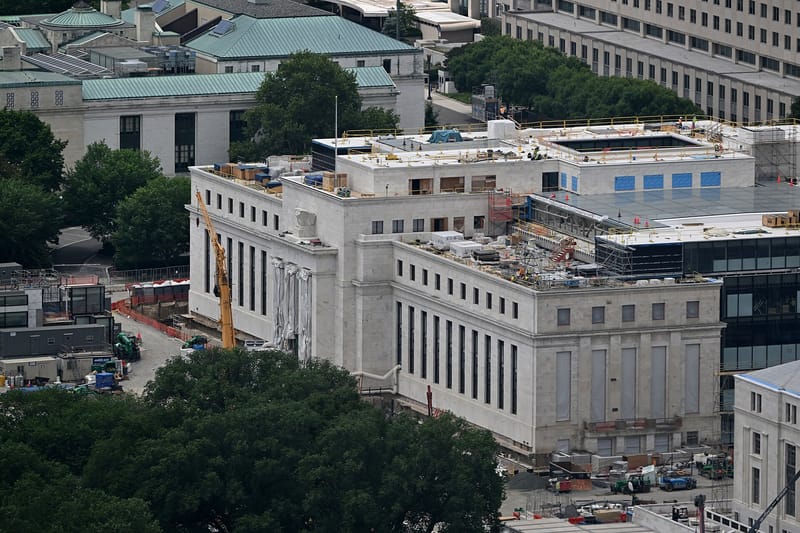
Fed watchdog finds no criminal grounds in renovation overrun; Trump urges Powell to resign
The Federal Reserve's inspector general made no criminal referral and found no administrative misconduct over the roughly $1bn overrun on the Fed's headquarters renovation, but faulted project management, and President Donald Trump responded by calling on former Fed chair Jerome Powell to resign.

UK Prime Minister Burnham says 'strong indications' Iran played part in RAF Fairford incident
Andy Burnham says Iran likely had a role in Sunday's security incident near the RAF Fairford airbase, where five men were arrested and later bailed, and Iran's embassy in London rejects the allegation.

Copernicus report says climate change is reshaping polar oceans and shrinking Arctic sea ice
The annual Copernicus Ocean State Report, as reported on Wednesday, describes rapid Arctic warming, shrinking sea ice and habitat loss for wildlife at both poles.
Comments