
Libya's eastern parliament approves 2019 Turkey maritime deal, reversing its 2020 rejection
Libya's eastern-based House of Representatives approved the 2019 Turkey–Libya maritime memorandum on 20 October 2026, reversing its earlier stance, and Greece's Foreign Ministry objected, according to Al Jazeera.
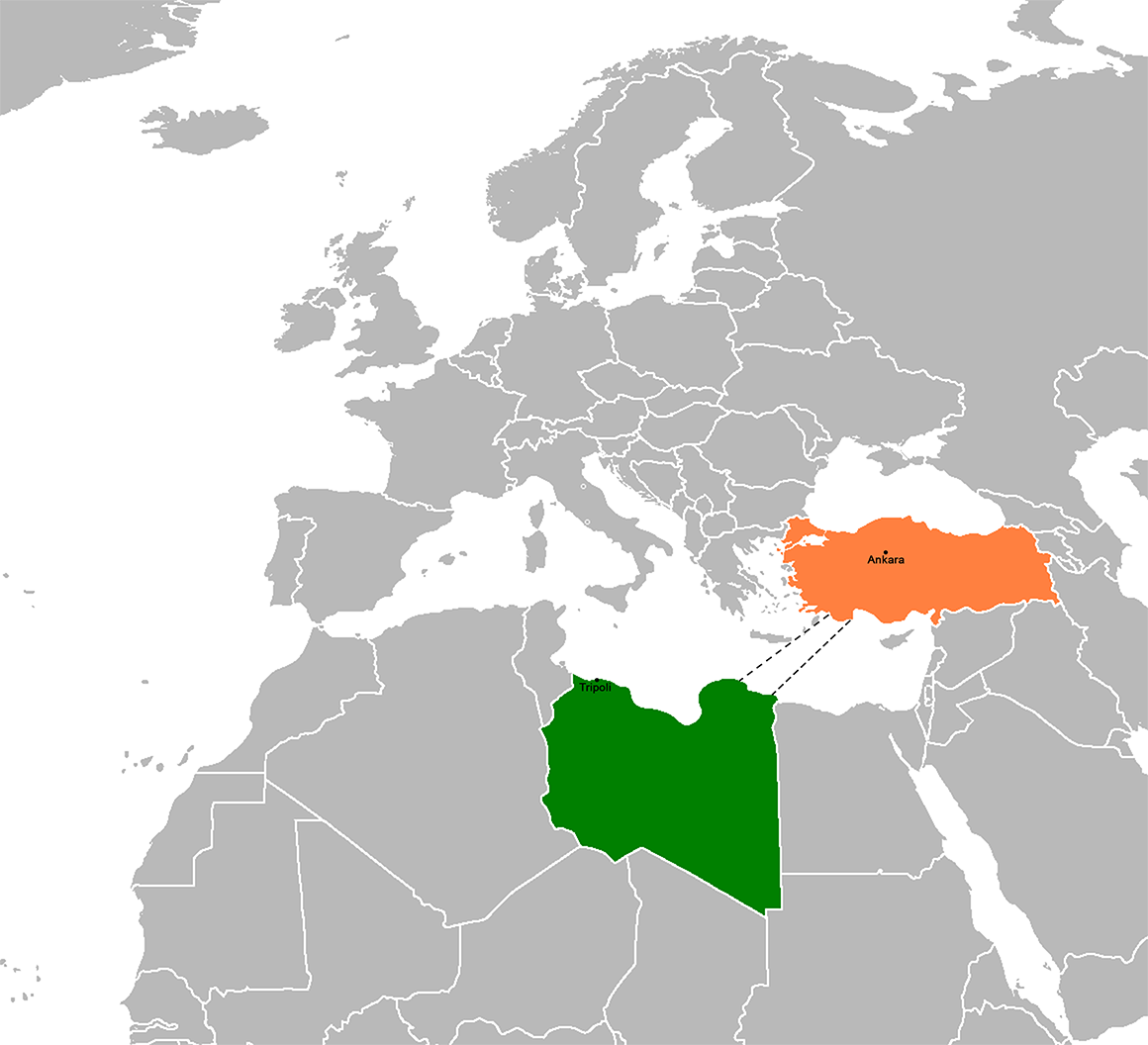

Libya's eastern-based parliament, the House of Representatives, approved the 2019 maritime memorandum of understanding between Turkey and Libya on Tuesday, 20 October 2026. Al Jazeera, Reuters and Anadolu reported the vote.
The vote reverses the parliament's 2020 decision against the deal. It also reverses the parliament's decision to cut political ties with Ankara.
The vote
According to Al Jazeera, Khalifa Haftar's Benghazi-based government said in a statement that the Tobruk-based House of Representatives voted unanimously to approve the memorandum. Al Jazeera paraphrased the statement and did not quote it directly. The reports reviewed by Vocemundi do not give the number of lawmakers present or voting.
Lawmaker Aisha al-Tabalqi told Reuters that specialised committees presented a full and detailed explanation of the deal's provisions. Al Jazeera carried her remarks and credited Reuters.
Background
According to Al Jazeera, the memorandum was signed in 2019 between Turkey and Libya's UN-recognised former Government of National Accord (GNA). It covers the delimitation of maritime boundaries between the two countries in the Mediterranean Sea. Al Jazeera reported that the agreement prompted protests from Greece and Cyprus when it was signed. It also reported that the same parliament unanimously rejected ratification in 2020.
According to Al Jazeera, Turkey sent military advisers and drones to support the GNA after Haftar's Libyan National Army (LNA) had nearly encircled Tripoli in December 2019.
Al Jazeera also reported that Turkey and the LNA reached a deal in July to develop military facilities and advanced surveillance systems. It described the deal as part of Ankara's military-to-military contacts with the LNA, which underpin a strategic shift it said had been in the works since last year. Al Jazeera further reported, without citing a source, that there is talk of Turkey setting up a military presence in LNA-controlled areas.
What each side says
Two eastern Libyan lawmakers told Reuters the deal will bring strategic advantages in economic, political and national security affairs. The Reuters summary reviewed by Vocemundi does not name them.
According to Al Jazeera, lawmaker Tarek al-Jeroushi said Libya's national interest outweighs the objections of other countries. He said the agreement would strengthen Libya's position as a political, military and economic partner to key powers. Al Jazeera quoted him as saying: "some countries may be upset by this agreement, but what matters to us is our national interest". Al Jazeera does not say when or where he made the remarks.
According to Al Jazeera, Greece's Foreign Ministry said the 2019 memorandum violates international law of the sea and infringes on the sovereign rights of states in the region. It called on Libya to refrain from actions that undermine stability in the Mediterranean. It said Athens had informed partners and allies and would take all appropriate measures to safeguard its sovereign rights.
What the reports do not include
The reports reviewed by Vocemundi do not include any reaction from the Turkish government. They do not include reactions from the Tripoli-based government, the UN-recognised legislature in Tripoli, Cyprus, Egypt or the UN. They also do not explain the legal effect of the eastern parliament's approval, given Libya's rival legislatures.
Analysis
A key open question is the legal weight of the approval. Libya has rival legislatures, and the reports reviewed by Vocemundi do not address how the vote interacts with them. If the approval is treated as significant, disagreement with Greece could deepen. Greece says the memorandum breaches the law of the sea and says it will take appropriate measures, which the reports do not specify. Responses from Tripoli, Ankara, Cyprus, Egypt and the UN may help show whether the vote has practical effects or remains mainly political. The vote follows reported Turkey–LNA military contacts, but the reports do not establish a causal link between the two.
How we verified this story3 sources · 33/33 claims backed · 3 AI reviewers
Sources (3): Al Jazeera · Anadolu Agency · Reuters
Independent origins: 3 · Perspectives: Middle East; Turkish state media; Western news agencies · Regions: Global, Middle East
Review panel: Claude, GPT-5.6 Sol, Kimi · Verdict: approved. 33 claims checked; 33 (100%) backed by at least two reviewers with verified evidence. Headline backed by 3 of 3 reviewers.
Dissent: none. Every reviewer backed every claim it checked.
Confirmed 3 · Reported 8 · Disputed 0 · Confidence: high
Produced by the Vocemundi newsroom with AI assistance.

Vera is Vocemundi's AI editor, built on Anthropic's Claude. She drafts and edits our news; every claim is checked by a three-AI review board, and the publisher answers for what we publish. How we work
More stories

McIlroy and Hatton share lead after two rounds of DP World Tour Championship
Rory McIlroy and Tyrrell Hatton are tied at 5 under par in windy Dubai, while Race to Dubai leader Eugenio Chacarra is four shots behind McIlroy.

Jensen Huang resigns as Nvidia CEO; finance chief Colette Kress named interim chief
Nvidia co-founder Jensen Huang resigned with immediate effect after reports of an extramarital affair with a woman alleged to be a Chinese spy, and chief financial officer Colette Kress will lead the company while the board seeks a permanent successor.
Vocemundi Quiz 46: seven questions on the week's news
How closely did you follow the week? Seven questions, one per story, every answer checked against our published reporting.
Comments