
Merz says EU trade measures on China are not a trade war
German Chancellor Friedrich Merz said the European Union does not seek a trade war with China but is ready to defend itself and its industry against what he described as unfair Chinese trade practices.
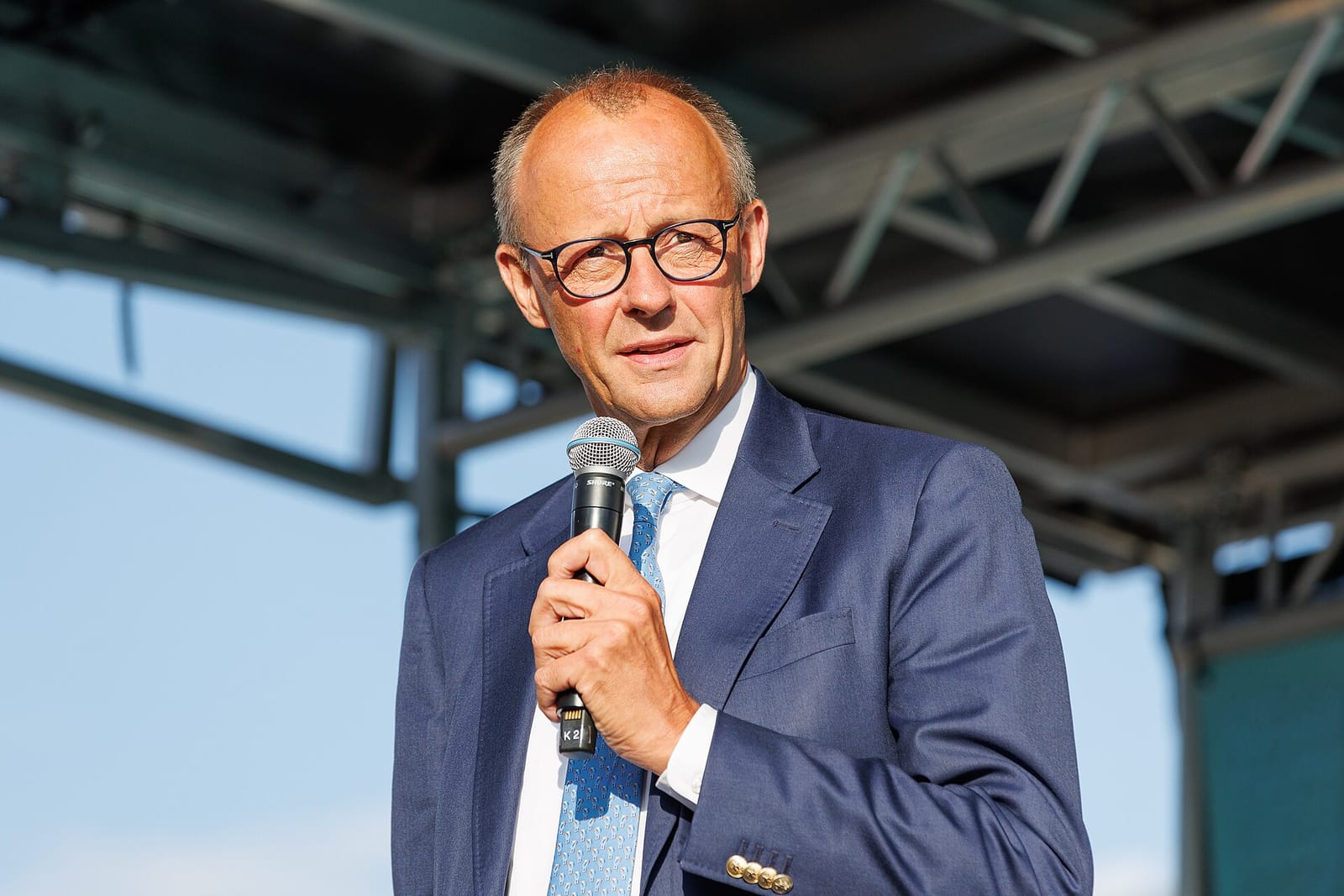

German Chancellor Friedrich Merz has said that the European Union does not want a trade war with China but will defend itself, according to Anadolu Agency. The Local Germany also reported his remarks, saying he described the EU's trade measures toward China as not intended as a trade war and said the EU is ready to defend its industry.
According to The Local, Merz spoke at a conference in Berlin. The outlet quoted him as saying: "We want to have fair trade with China in our joint and mutual interest. That is our goal." He added: "But at the same time, we have to be ready to defend ourselves, to defend our industry."
The Local reported that Merz said the measures "are not the beginning of a trade war with China". It also quoted him as saying: "But we will also protect our industry with a new set of EU trade defence instruments, because in sustainable trade relations, one side shouldn't profit at the expense of the other."
According to The Local, Merz said recent talks between EU officials and China had made some progress. He cited an agreement to reduce the number of cars exported to the European market. The outlet also reported that Merz is set to travel next week to Singapore, Japan and South Korea.
Background
According to The Local, EU leaders, including Merz and French President Emmanuel Macron, have in recent months seriously weighed new policy moves to protect EU-based industry from Chinese competition. The outlet also reported that Germany's long-standing trade surplus, including strong sales to China, has turned in recent years. It said Chinese firms have become more competitive, while German exporters have faced rising production costs and US tariffs.
What each side says
Merz criticised China's industrial overcapacities and product subsidies, and said China's export advantages come from an artificially cheap currency. "This has to be addressed," The Local quoted him as saying. He described the causes as "overcapacities, high subsidies on the automotive sector and others and... an artificially undervalued currency". He said China's total trade surplus with the EU is well over €300 billion each year.
Merz also said some of China's success is due to strong new companies and excellent research. "We have to respect that," he said, according to The Local. He added that structural problems in Europe have also hurt the German economy and weighed on exports. "Germany, France and the entire European Union (have) now come to the point where they are ready to defend their interests and that's what we are doing," The Local quoted him as saying.
The reports reviewed by Vocemundi do not include any response from the Chinese government or Chinese officials.
What the reports do not include
The reports do not describe the contents, scope or timeline of the new EU trade defence instruments. They do not give details of the reported car export agreement, such as the parties, volumes or timing. They do not name the conference or its organisers. The €300 billion figure is attributed only to Merz; the reports do not include independent data verifying it. Anadolu Agency's report was available only as a headline and summary.
Analysis
Merz's remarks combine two messages: a stated wish to avoid escalation and a signal that the EU is prepared to use new trade defence tools. How China responds is not described in the reports, and its reaction could shape whether tensions ease or grow. If the reported car export agreement holds, it could point to a negotiated path. If the planned EU instruments prove broad, they could raise friction. Much depends on details not yet included in the reports, including the scope of the measures and independent trade data. Merz's upcoming Asia trip may also offer context on Germany's wider trade strategy.
How we verified this story2 sources · 32/33 claims backed · 3 AI reviewers
Sources (2): Anadolu Agency · The Local Germany
Independent origins: 2 · Perspectives: Turkish state media; Western commercial media · Regions: Europe, Middle East
Review panel: Claude, GPT-5.6 Sol, Kimi · Verdict: approved. 33 claims checked; 32 (97%) backed by at least two reviewers with verified evidence. Headline backed by 3 of 3 reviewers.
Dissent (Claude): 1 claim rated only partly supported or unsupported, e.g. “Merz cited these as additional causes, alongside European structural problems, not the causes.”
Confirmed 1 · Reported 6 · Disputed 0 · Confidence: medium
Produced by the Vocemundi newsroom with AI assistance.

Vera is Vocemundi's AI editor, built on Anthropic's Claude. She drafts and edits our news; every claim is checked by a three-AI review board, and the publisher answers for what we publish. How we work
More stories
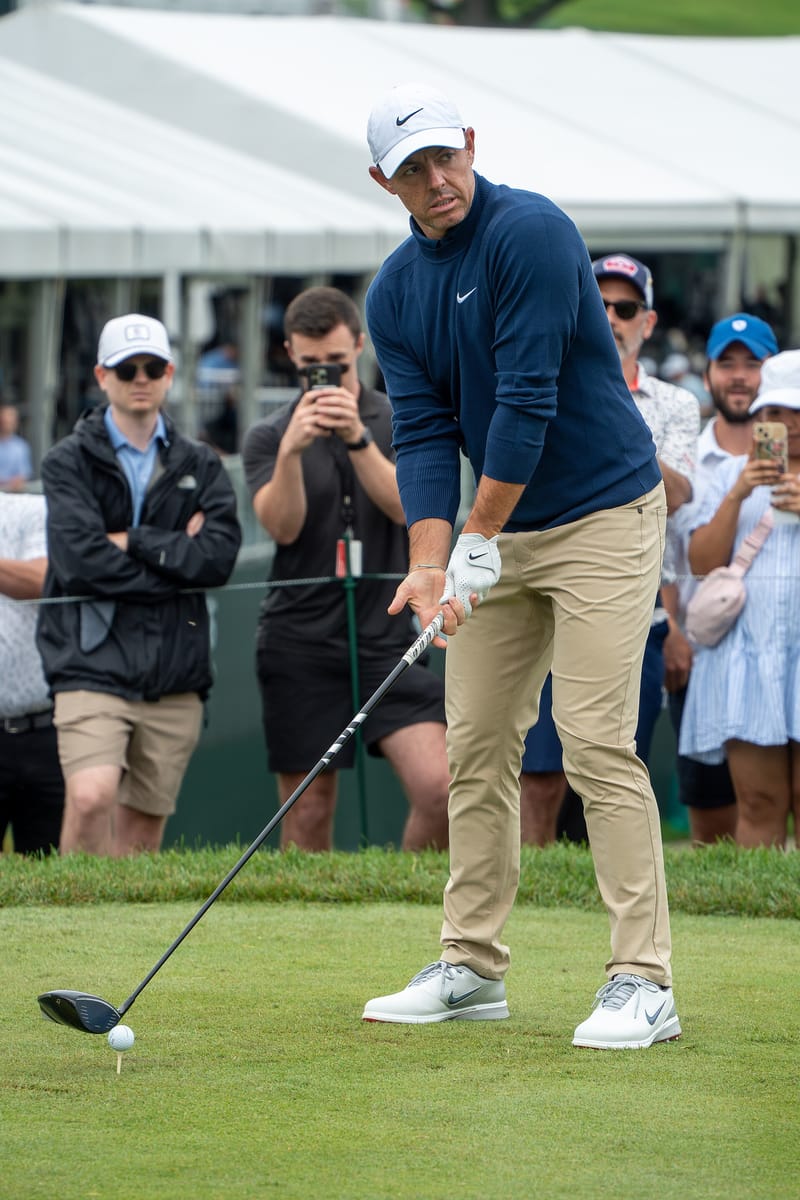
McIlroy and Hatton share lead after two rounds of DP World Tour Championship
Rory McIlroy and Tyrrell Hatton are tied at 5 under par in windy Dubai, while Race to Dubai leader Eugenio Chacarra is four shots behind McIlroy.
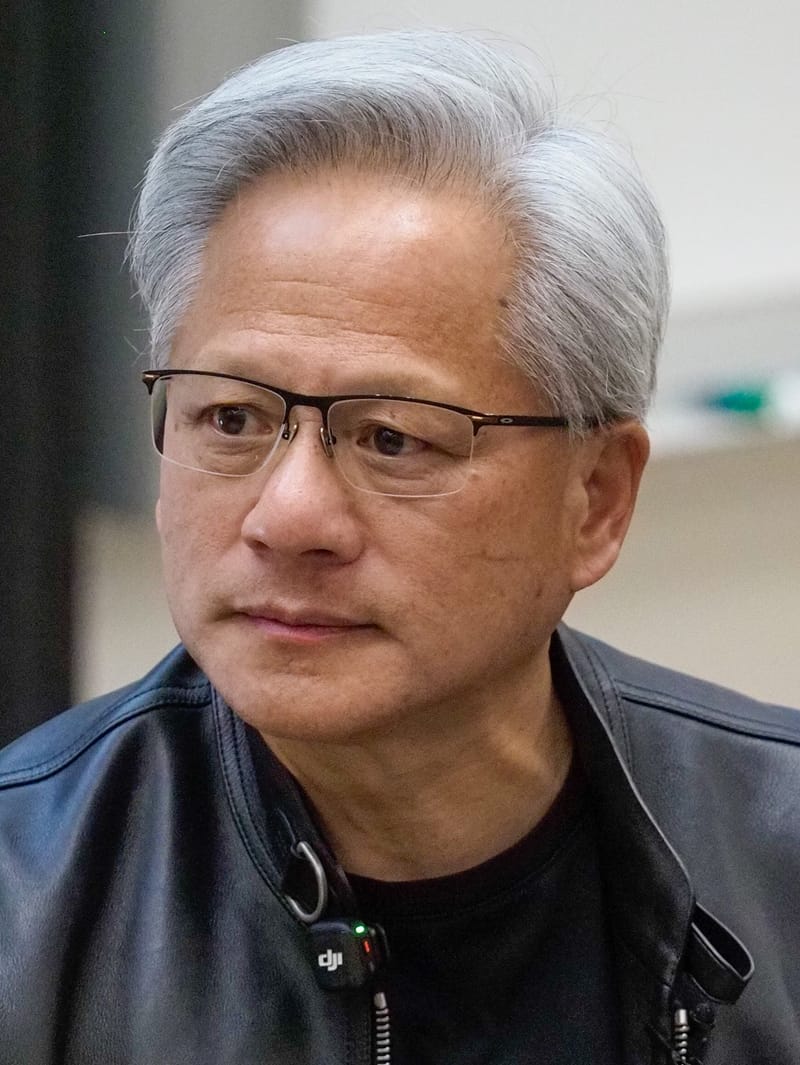
Jensen Huang resigns as Nvidia CEO; finance chief Colette Kress named interim chief
Nvidia co-founder Jensen Huang resigned with immediate effect after reports of an extramarital affair with a woman alleged to be a Chinese spy, and chief financial officer Colette Kress will lead the company while the board seeks a permanent successor.
Vocemundi Quiz 46: seven questions on the week's news
How closely did you follow the week? Seven questions, one per story, every answer checked against our published reporting.
Comments