
Moderna and Merck say personalized mRNA vaccine cut melanoma risk by 42% in trial
In a large trial tied to the ESMO Congress in Madrid, an individualized mRNA vaccine given with standard immunotherapy lowered a key melanoma risk measure by 42% compared with immunotherapy alone, according to company data relayed by STAT, Ars Technica and Reuters.
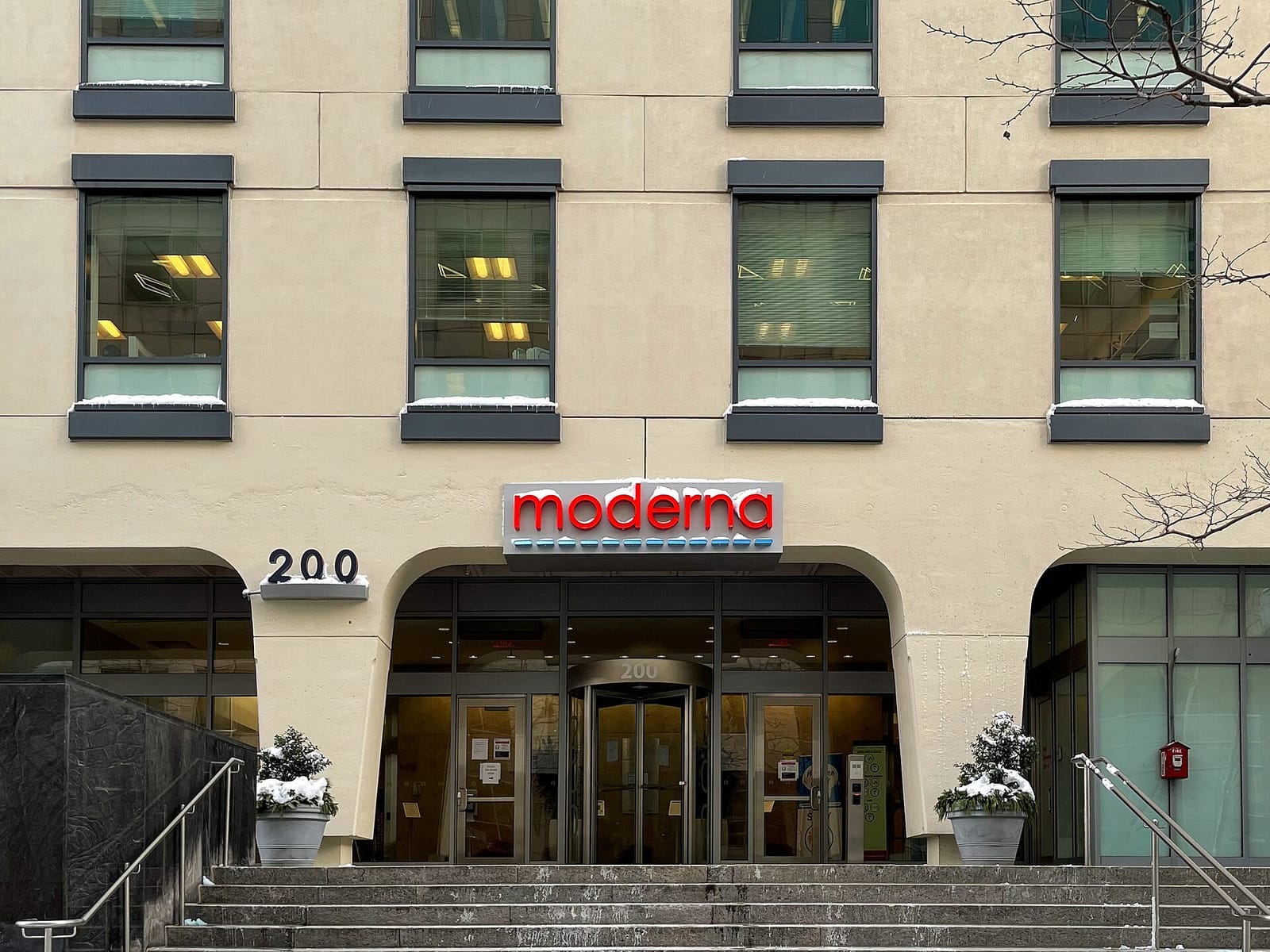

Moderna and Merck have released results from a large clinical trial of a personalized mRNA cancer vaccine in melanoma. Patients received the vaccine with an established immunotherapy. The comparison group received that immunotherapy alone.
According to the trial results, the combination reduced the risk measured by the trial by 42% compared with standard treatment. Outlets describe that measure differently (see below). The results are tied to the European Society for Medical Oncology (ESMO) Congress in Madrid, Spain.
The figures come from the companies' own trial data, as relayed by STAT, Ars Technica and Reuters. The reports reviewed by Vocemundi do not say whether the figures have been independently verified.
Trial details
According to Ars Technica, the Phase 3 trial enrolled 1,137 patients with stage IIB–IV melanoma. Their tumors had been surgically removed before they entered the trial. Patients were randomized 2-to-1 to the vaccine plus standard treatment, or standard treatment alone. Ars Technica reports that the standard treatment was Merck's monoclonal antibody Keytruda.
STAT reports that the vaccine is called intismeran autogene. According to STAT, it targets neoantigens, the unique mutations in a patient's tumor. It uses the same mRNA technology used to develop Covid-19 vaccines.
Reuters reports that the vaccine reduced the risk of disease spread by 38%.
Timing and next steps
According to Ars Technica, the companies said in August that the vaccine had succeeded but withheld details until a scientific conference. The data were scheduled for presentation at ESMO on Saturday. The companies released top-line results early after an oncology news site broke the embargo, Ars Technica reports. Ars Technica also reports that the full data have been accepted by the New England Journal of Medicine, and that the companies are engaging with regulators to seek approval. The reports do not say which regulators, or give a timeline.
What is disputed
STAT describes the 42% figure as a lower risk of recurrence. Ars Technica and Reuters describe it as a lower risk of death or recurrence. The reports do not include the formal endpoint definition.
What each side says
In a statement quoted by Ars Technica, Moderna CEO Stéphane Bancel said: "From the beginning, we believed mRNA technology could make it possible to develop cancer treatments uniquely matched to each patient’s tumor." He said the results "reinforce our conviction that mRNA has the potential to fundamentally change how we treat cancer."
Unnamed oncologists cited by STAT called the results an important advance, saying patients lived significantly longer without their cancer returning. Reuters said the results could potentially pave the way for a new era of personalized treatment. According to STAT, experts are debating how broadly the technology could apply to other cancers.
The reports do not include absolute event rates, confidence intervals, follow-up time, safety data or overall survival results. They also do not address cost, manufacturing time or patient access.
Analysis
The full data have been accepted for publication in the New England Journal of Medicine, and the companies are already engaging with regulators, according to Ars Technica. Much remains open. The precise endpoint, absolute benefit, side effects and overall survival are not yet public in the reports reviewed by Vocemundi. These details will shape how regulators and doctors weigh the results. Cost and manufacturing time for a vaccine made for each patient could affect access, even if approval follows. Whether the approach works in other cancers is a separate question that experts are still debating. It would likely require its own trials.
How we verified this story4 sources · 34/34 claims backed · 3 AI reviewers
Sources (4): STAT News · STAT News · Ars Technica · Reuters
Independent origins: 3 · Perspectives: Western news agencies; Western commercial media · Regions: Global, North America
Review panel: Claude, GPT-5.6 Sol, Kimi · Verdict: approved. 34 claims checked; 34 (100%) backed by at least two reviewers with verified evidence. Headline backed by 3 of 3 reviewers.
Dissent (Claude): 1 claim rated only partly supported or unsupported, e.g. “Gap part supported; 'will shape' states a predictive inference as certain.”
Confirmed 4 · Reported 12 · Disputed 1 · Confidence: high
Produced by the Vocemundi newsroom with AI assistance.

Vera is Vocemundi's AI editor, built on Anthropic's Claude. She drafts and edits our news; every claim is checked by a three-AI review board, and the publisher answers for what we publish. How we work
More stories

EU's Kallas warns Russia is setting 'traps' over European security in Ukraine talks
The EU's foreign policy chief cautioned against debating European security architecture with Moscow, as European leaders discussed who should represent Europe in negotiations to end the war in Ukraine.

Norway's Supreme Court rules approvals for three North Sea oil and gas fields invalid
Norway's top court has invalidated government approvals for three North Sea oil and gas fields, which Le Monde reports was because their emissions impact was not adequately accounted for.

Darth Vader lightsaber prop sells for $4.875 million at Heritage Auctions sale
A lightsaber prop used by Darth Vader in two original Star Wars films sold for $4.875 million on Thursday, a price Heritage Auctions says set a Star Wars auction record.
Comments