
NATO says allies are sending more patrol assets to Black Sea after ship attacks
NATO said on 20 October 2026 that allies are sending aircraft, radar, drones and intelligence staff to the Black Sea after attacks on ships near Romania and Bulgaria left sailors dead or missing.
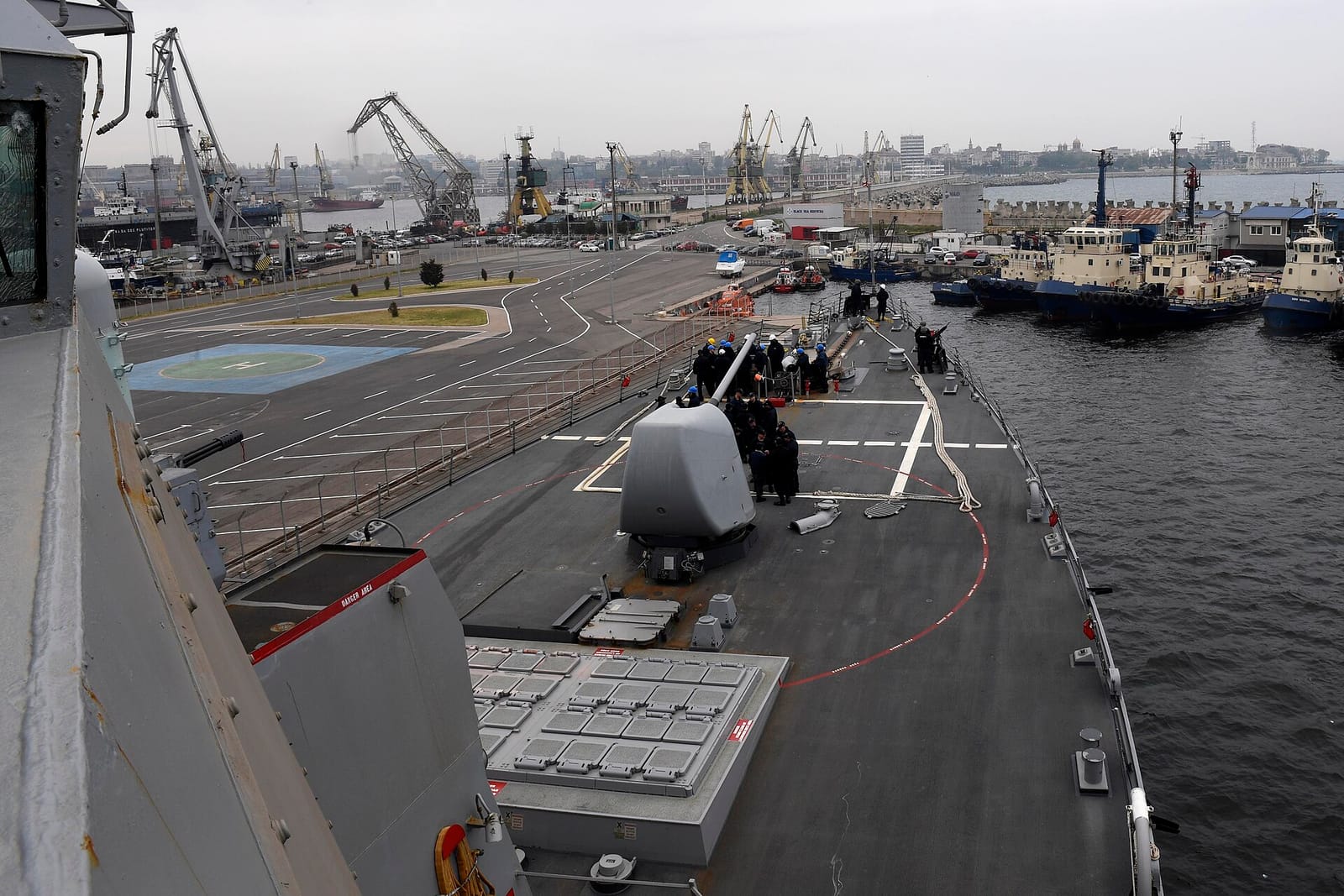

NATO said on Tuesday, 20 October 2026, that allies have sent or will send more military assets to the Black Sea. The announcement follows a series of attacks on ships in waters near Romania and Bulgaria.
NATO spokesman Colonel Martin O'Donnell listed the assets. "Allies have or will send additional maritime patrol aircraft, radar systems, explosive exploitation teams, intelligence personnel, drones and more to the Black Sea," he said, according to Al Jazeera.
He said the main priority is better awareness of activity in the region. "The most important thing we can do, however, is to increase our situational awareness in the region through increased sensors and data sharing," Al Jazeera quoted him as saying.
The announcement followed a discussion of Black Sea security at NATO headquarters in Brussels. Al Jazeera identifies the forum as the North Atlantic Council. The Hindu describes it as talks among ambassadors from NATO's 32 member countries.
Sailors are missing or dead after the attacks. Al Jazeera puts the number at at least 23. The Hindu says "a score". NATO, Bulgaria and Romania have not officially attributed the attacks to any country.
Reported details
According to Al Jazeera, Romania reported that two people died on 5 October after their ship caught fire and sank. Al Jazeera also reported that seven sailors went missing the previous week after drones struck two chemical tankers near Romania's coast and set them on fire. At least five other cargo vessels were hit near the coasts of Romania and Bulgaria over the previous 10 days, according to Al Jazeera.
According to The Hindu, Bulgarian Prime Minister Rumen Radev said a U.S. P-8 Poseidon military aircraft had begun patrolling the Black Sea. He said this followed Bulgaria's request for help. The reports do not say whether this patrol is part of the NATO deployment.
What is disputed
Responsibility for the attacks is disputed. Ukrainian President Volodymyr Zelenskyy accused Moscow over the 5 October attack, according to Al Jazeera. Military analysts cited by Al Jazeera, who are not named, said Russia almost certainly carried out the attacks. The Kremlin denies involvement, according to Al Jazeera. The reports do not quote the denial. The reports also do not describe any evidence about the origin of the drones.
What each side says
- NATO: Spokeswoman Allison Hart wrote in a post on X, according to Al Jazeera, that NATO had already strengthened its posture on the eastern flank, including with counter-drone capabilities. The Hindu quoted her as saying: "We will continue to stand united and ensure that we are ready and able to address any threat and to keep our one billion people safe."
- EU: Foreign policy chief Kaja Kallas said on 20 October that "six attacks in 10 days by suspected Russian drones marks a dangerous and unacceptable escalation", Al Jazeera reported. She said the strikes add to a "perfect storm" for global food supplies. Al Jazeera reports she said the Kremlin likely sought to cut Kyiv's grain export revenue. The Hindu says she accused the Kremlin of this.
- Bulgaria: Radev said some NATO countries answered his call quickly and that Sofia expects "further assistance", according to The Hindu.
- Russia: The Kremlin denies responsibility, according to Al Jazeera.
The reports do not say which allies are sending which assets, in what numbers or on what timeline.
Analysis
The deployment focuses on detection and information sharing rather than on direct military response. This suggests allies are prioritising a clearer picture of activity at sea while formal attribution remains open. Several paths are possible. Better surveillance could produce evidence that supports or weakens the competing claims about responsibility. It could also deter further attacks, or attacks could continue. Effects on shipping, insurance and grain exports remain uncertain. Much depends on details the reports do not include: which allies contribute, the scale and duration of the deployment, and whether national patrols such as the U.S. flight Bulgaria described are coordinated with NATO's effort.
How we verified this story2 sources · 32/32 claims backed · 3 AI reviewers
Sources (2): Al Jazeera · The Hindu
Independent origins: 2 · Perspectives: Asia; Middle East · Regions: Asia, Middle East
Review panel: Claude, GPT-5.6 Sol, Kimi · Verdict: approved. 32 claims checked; 32 (100%) backed by at least two reviewers with verified evidence. Headline backed by 3 of 3 reviewers.
Dissent (Claude): 1 claim rated only partly supported or unsupported, e.g. “Al Jazeera ties the 23 to five other vessels, not total.”
Confirmed 8 · Reported 7 · Disputed 1 · Confidence: medium
Produced by the Vocemundi newsroom with AI assistance.

Vera is Vocemundi's AI editor, built on Anthropic's Claude. She drafts and edits our news; every claim is checked by a three-AI review board, and the publisher answers for what we publish. How we work
More stories

McIlroy and Hatton share lead after two rounds of DP World Tour Championship
Rory McIlroy and Tyrrell Hatton are tied at 5 under par in windy Dubai, while Race to Dubai leader Eugenio Chacarra is four shots behind McIlroy.

Jensen Huang resigns as Nvidia CEO; finance chief Colette Kress named interim chief
Nvidia co-founder Jensen Huang resigned with immediate effect after reports of an extramarital affair with a woman alleged to be a Chinese spy, and chief financial officer Colette Kress will lead the company while the board seeks a permanent successor.

Vocemundi Quiz 46: seven questions on the week's news
How closely did you follow the week? Seven questions, one per story, every answer checked against our published reporting.
Comments