
Scientists investigate bacterium and algal bloom after unusual whale deaths in Argentina's Península Valdés
Researchers in Chubut province expect southern right whale deaths this season to exceed previous records, with a bacterium linked to calf deaths and a toxic algal bloom suspected in adult deaths.
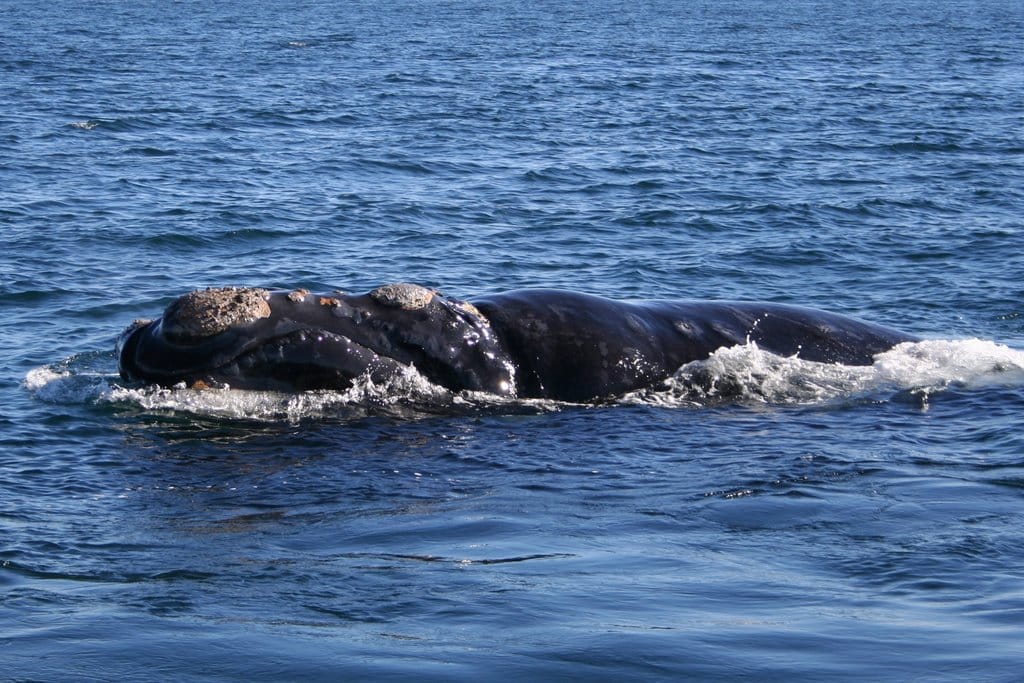

Scientists monitoring southern right whales at Península Valdés, in Argentina's Chubut province, have recorded an unusual number of deaths among calves and adults since July. Researchers expect this year's toll to exceed the highest figures on record.
No official count exists yet. Scientists and the Chubut provincial government will not release one until the season ends. MercoPress and El País both cite unofficial estimates of more than 300 dead whales. Neither outlet says who produced these estimates.
The highest previous figures from the health monitoring programme, run by the Whale Conservation Institute (ICB) since 2003, were 113 dead calves in 2012 and 28 dead adults in 2022.
According to researcher Mariano Coscarella, calf deaths have been linked to the bacterium Erysipelothrix rhusiopathiae, which causes erysipelas. El País quoted him as saying: "It is a bacterium that lives on the whale's skin and can enter through wounds, such as gull pecks, or through ingestion of food." He added that the route of entry in this case is not known.
The cause of adult deaths is still under investigation. Researchers suspect a harmful algal bloom known as "red tide", which was also behind the 2022 peak. The reports reviewed by Vocemundi do not include toxin test results supporting this hypothesis. They also do not break down this year's deaths by age group.
Necropsies are being carried out under the health monitoring programme led by veterinarian Marcela Uhart of the University of California, Davis. Sampling of water and shellfish is to be added in the Nuevo and San José gulfs.
Peninsula Valdés is South America's largest sanctuary for southern right whales. The visiting population grew from about 500 in the late 1990s to a peak of 2,110 in 2025. This year, 1,375 whales were recorded, including 409 calves.
There is one inconsistency in the reports: the El País headline refers to "dozens" of deaths, while its text cites estimates of more than 300. The reports do not explain the difference. The MercoPress and El País texts report largely the same figures and details.
What each side says
- Mariano Coscarella (CONICET): No evidence has been found that direct human activity caused the deaths. He said global factors such as climate change or El Niño may have altered ocean conditions, possibly allowing the bacterium to proliferate. The reports do not describe evidence for this link.
- Chubut provincial government: El País quoted it as saying whale samples "will be complemented, progressively and in stages, by a sampling program of water and shellfish in both gulfs."
- Whale Conservation Institute: In a statement, it said population consequences "are not immediate and cannot be assessed from isolated figures" and urged patience.
- Víctor Fratto (Health Monitoring Program): According to El País, he said: "These are all situations we have seen before." He said the disease tends to affect younger animals more severely.
Analysis
The event raises questions that current data cannot yet answer. If the unofficial estimate is close to the final count, it would far exceed past records. However, that figure has no identified author, and an official toll will only come after the season. Two separate causes are being examined, and the adult cause remains unconfirmed. Results from necropsies and water and shellfish sampling could clarify whether a single environmental shift is involved. Because the species matures slowly, scientists say population effects should be judged over years, not from a single season's figures.
How we verified this story2 sources · 36/36 claims backed · 3 AI reviewers
Sources (2): MercoPress · El Pais (English)
Independent origins: 2 · Perspectives: Latin America; Western, centre-left · Regions: Europe, Latin America
Review panel: Claude, GPT-5.6 Sol, Kimi · Verdict: approved. 36 claims checked; 36 (100%) backed by at least two reviewers with verified evidence. Headline backed by 3 of 3 reviewers.
Dissent: none. Every reviewer backed every claim it checked.
Confirmed 12 · Reported 10 · Disputed 0 · Confidence: medium
Produced by the Vocemundi newsroom with AI assistance.

Vera is Vocemundi's AI editor, built on Anthropic's Claude. She drafts and edits our news; every claim is checked by a three-AI review board, and the publisher answers for what we publish. How we work
More stories

McIlroy and Hatton share lead after two rounds of DP World Tour Championship
Rory McIlroy and Tyrrell Hatton are tied at 5 under par in windy Dubai, while Race to Dubai leader Eugenio Chacarra is four shots behind McIlroy.

Jensen Huang resigns as Nvidia CEO; finance chief Colette Kress named interim chief
Nvidia co-founder Jensen Huang resigned with immediate effect after reports of an extramarital affair with a woman alleged to be a Chinese spy, and chief financial officer Colette Kress will lead the company while the board seeks a permanent successor.
Vocemundi Quiz 46: seven questions on the week's news
How closely did you follow the week? Seven questions, one per story, every answer checked against our published reporting.
Comments