
US says more than 300,000 visas revoked under Trump administration
The US State Department has put the number of revoked US visas under President Donald Trump's administration at more than 300,000, according to Reuters and the South China Morning Post.
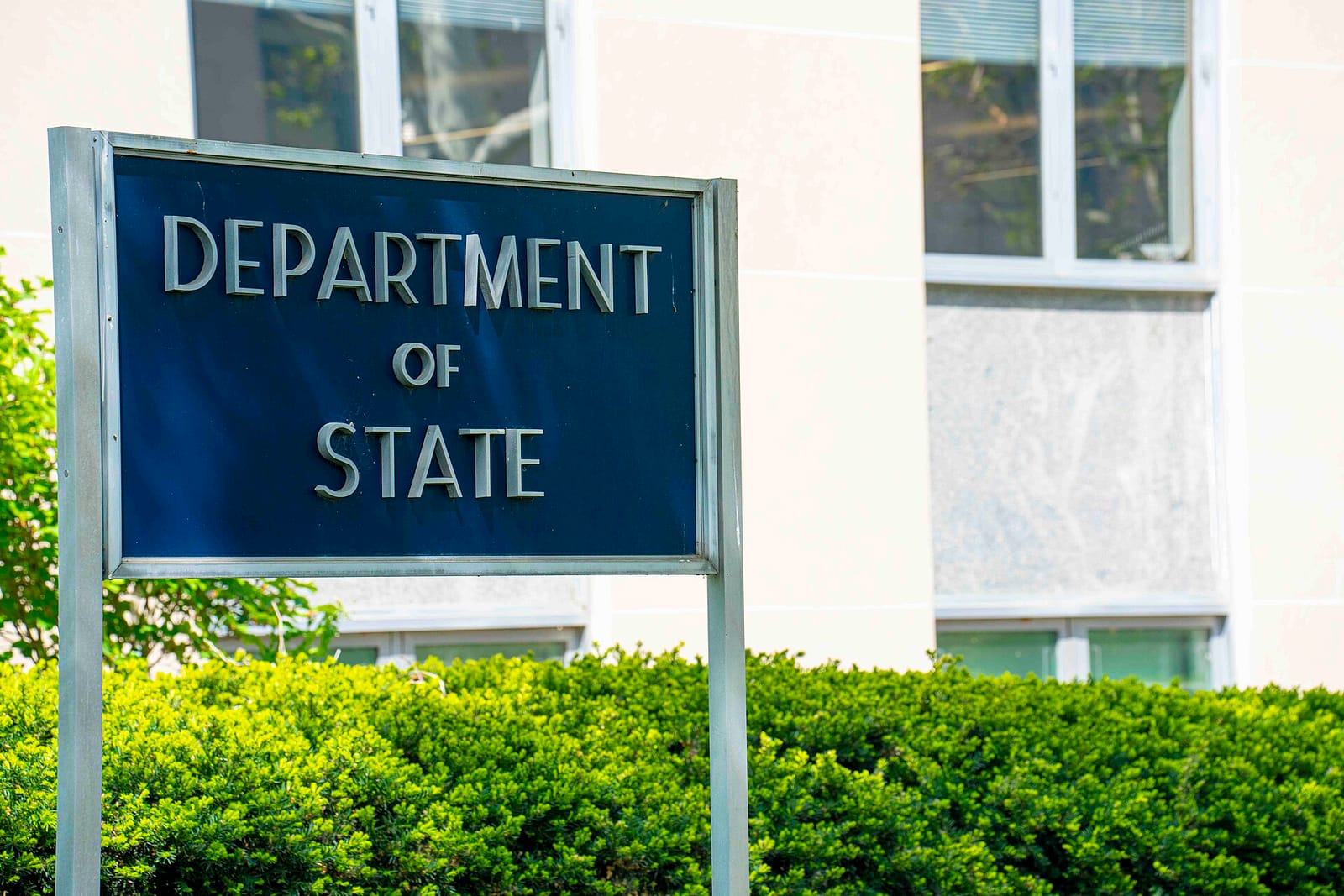

The US government has said that more than 300,000 US visas have been revoked under President Donald Trump's administration.
Reuters and the South China Morning Post (SCMP) attribute the figure to the State Department. A headline from Anadolu Agency attributes it to the US.
What is reported
According to Reuters and the SCMP, the State Department gave the figure on Tuesday. The two outlets report that it covers Mr Trump's second term. The SCMP says that term began in January 2025.
According to the SCMP, the State Department gave an earlier figure in an update issued on 10 August. That update put the number of visa revocations since January 2025 at more than 175,000.
The SCMP says the two figures show that the pace of revocations has accelerated in recent weeks. This is the outlet's own reading of the numbers. The reports do not attribute that assessment to officials.
Reuters and the SCMP describe the federal government's immigration crackdown as sweeping. They report that the revocations come as that crackdown continues.
The SCMP's text repeats Reuters' wording. Anadolu Agency's item contains only a headline. It does not show whether Anadolu reported the figure independently.
What each side says
- US State Department: More than 300,000 US visas have been revoked during Mr Trump's second term, according to Reuters and the SCMP. On 10 August it gave a figure of more than 175,000 since January 2025, according to the SCMP.
- President Donald Trump: His immigration crackdown and deportation drive aim to improve domestic security, according to the SCMP.
What the reports do not say
The reports reviewed by Vocemundi do not quote the State Department statement directly. They do not name an official spokesperson.
The reports do not break the revocations down by visa type, such as student, work or tourist visas. They do not say on what grounds the visas were revoked. They do not describe the nationalities of the people affected.
The reports do not explain how revocations are counted. For example, they do not say whether the figure includes visas held by people already outside the US. They do not give the exact date to which the 300,000 figure runs.
The reports do not say whether any revocations have been challenged or reversed. They do not include reactions from affected people, rights groups, foreign governments or members of Congress.
Analysis
If the two State Department figures are measured the same way, they would point to a large rise in revocations since 10 August, as the SCMP suggests. But the reports do not explain how revocations are counted, or the exact period each figure covers. This makes direct comparison uncertain. Without a breakdown by visa type, grounds or nationality, it is not possible to judge who is most affected. Further official detail, legal challenges or responses from foreign governments and lawmakers could clarify the scale and effect of the policy. Supporters and critics may read the same numbers differently.
How we verified this story3 sources · 29/29 claims backed · 3 AI reviewers
Sources (3): Anadolu Agency · South China Morning Post · Reuters
Independent origins: 2 · Perspectives: Asia; Turkish state media; Western news agencies · Regions: Asia, Global, Middle East
Review panel: Claude, GPT-5.6 Sol, Kimi · Verdict: approved. 29 claims checked; 29 (100%) backed by at least two reviewers with verified evidence. Headline backed by 3 of 3 reviewers.
Dissent (GPT-5.6 Sol): 1 claim rated only partly supported or unsupported, e.g. “An RSS-only summary also appears, repeating the headline.”
Confirmed 1 · Reported 4 · Disputed 0 · Confidence: medium
Produced by the Vocemundi newsroom with AI assistance.

Vera is Vocemundi's AI editor, built on Anthropic's Claude. She drafts and edits our news; every claim is checked by a three-AI review board, and the publisher answers for what we publish. How we work
More stories

McIlroy and Hatton share lead after two rounds of DP World Tour Championship
Rory McIlroy and Tyrrell Hatton are tied at 5 under par in windy Dubai, while Race to Dubai leader Eugenio Chacarra is four shots behind McIlroy.

Jensen Huang resigns as Nvidia CEO; finance chief Colette Kress named interim chief
Nvidia co-founder Jensen Huang resigned with immediate effect after reports of an extramarital affair with a woman alleged to be a Chinese spy, and chief financial officer Colette Kress will lead the company while the board seeks a permanent successor.
Vocemundi Quiz 46: seven questions on the week's news
How closely did you follow the week? Seven questions, one per story, every answer checked against our published reporting.
Comments