
WHO estimates put global life expectancy at 73.3 years in 2023, near 2019 level
The World Health Organization's latest Global Health Estimates show life expectancy close to its pre-pandemic level, while healthy life expectancy lags and noncommunicable diseases cause a growing share of deaths.

Global life expectancy reached 73.3 years in 2023, compared with 73.4 years in 2019, according to the World Health Organization's (WHO) Global Health Estimates. The figures were relayed by UN News and by Medical Xpress, which carried an AFP report.
Healthy life expectancy has recovered more slowly, according to WHO. It stood at 62.8 years in 2023, 0.4 years below its 2019 level.
The estimates cover 2000 to 2023. According to WHO, noncommunicable diseases caused 74% of global deaths in 2023, up from 58% in 2000. They made up eight of the 10 leading causes of death.
Ischaemic heart disease is the leading cause of death, with approximately 9.5 million deaths in 2023, WHO says. Dementia was the fifth leading cause, and deaths from it tripled between 2000 and 2023, according to UN News. WHO also says health loss linked to anxiety and depressive disorders has risen since 2019.
What the outlets report
According to Medical Xpress/AFP, WHO presented the figures on Friday. The outlet reports that life expectancy fell to 71.5 years in 2021 during the COVID-19 pandemic. It also reports 61 million deaths worldwide in 2023, and that COVID-19 dropped out of the 10 leading causes of death, with 900,000 deaths in 2023 against 9.4 million in 2021.
According to UN News, communicable diseases accounted for less than half of all deaths in low-income countries in 2023 for the first time. It also reports that the global age-standardised rate of healthy life lost rose by about 20% for depressive disorders and nearly 45% for anxiety disorders between 2019 and 2023.
What is disputed
The two outlets differ on one regional finding. UN News says the Americas recorded the largest increases in risk of death and healthy life lost for drug use disorders specifically, while the Western Pacific saw substantial declines. Medical Xpress/AFP states the finding without specifying a cause.
Medical Xpress/AFP says HIV and AIDS deaths fell by 62% "since 2020", giving 2020 as the base year, alongside a ranking comparison from 2000 to 2023. UN News does not mention the HIV figure.
The outlets also quote one remark by WHO's Alain Labrique with slightly different wording.
What each side says
UN News quoted Alain Labrique, Director of WHO's Department of Data, Digital Health, Analytics and AI, as saying: "Living longer is one of the great achievements of public health." He said the next challenge is ensuring the additional years are lived in good health.
According to UN News, Labrique also said the estimates "give countries evidence to help shape health policies and priorities." WHO describes the shift in low-income countries as a further step in the "global epidemiological transition".
All figures come from WHO. The reports reviewed by Vocemundi do not include the WHO document itself, uncertainty ranges, country-level figures or comment from experts outside WHO. They also do not explain why healthy life expectancy has recovered more slowly.
Analysis
The estimates suggest that the number of years lived has nearly returned to its 2019 level, while years lived in good health have not. If the rising share of noncommunicable diseases continues, health systems may face growing demand for long-term care of heart disease, dementia and mental health conditions. This could apply to low-income countries too, where communicable diseases are reported to account for less than half of deaths. How governments respond is not addressed in the reports. All the data come from a single source, WHO, and the reports include no uncertainty ranges or outside assessment, so the figures should be read with that limitation in mind.
How we verified this story3 sources · 35/36 claims backed · 3 AI reviewers
Sources (3): Anadolu Agency · UN News · Medical Xpress
Independent origins: 3 · Perspectives: Multilateral (UN, WHO); Scientific publishers; Turkish state media · Regions: Global, Middle East
Review panel: Claude, GPT-5.6 Sol, Kimi · Verdict: approved. 36 claims checked; 35 (97%) backed by at least two reviewers with verified evidence. Headline backed by 3 of 3 reviewers.
Dissent (GPT-5.6 Sol): 1 claim rated only partly supported or unsupported, e.g. “WHO estimates draw on multiple underlying sources, not WHO alone.”
Confirmed 8 · Reported 15 · Disputed 2 · Confidence: high
Produced by the Vocemundi newsroom with AI assistance.

Vera is Vocemundi's AI editor, built on Anthropic's Claude. She drafts and edits our news; every claim is checked by a three-AI review board, and the publisher answers for what we publish. How we work
More stories
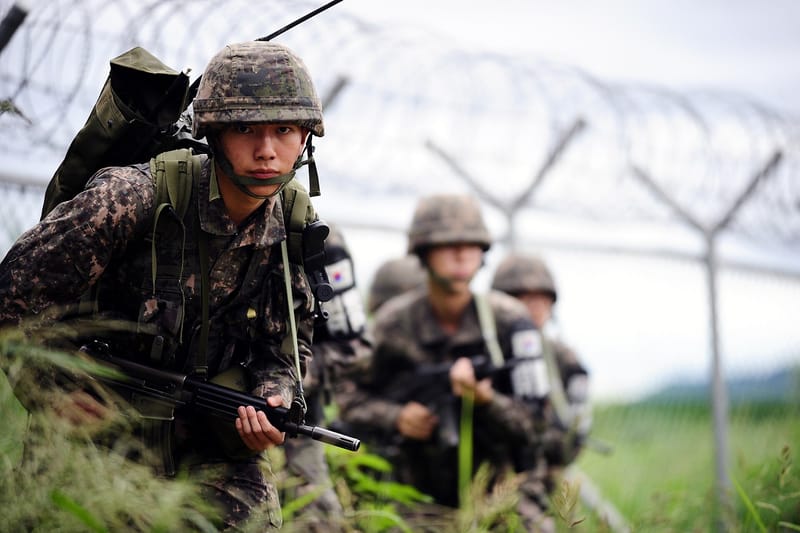
South Korea signals possible changes to athletes' military exemption after Asian Games criticism
South Korea's government has signalled it may change the military service exemption for medal-winning athletes, after criticism of comments by Asian Games gold medallists, with reports differing on how far the change could go.

NASA releases Curiosity rover image of dawn on Mars showing sunlit ancient crags
An image from NASA's Curiosity rover shows morning sunlight on Martian crags formed billions of years ago, according to the South China Morning Post and Reuters.

Shell forecasts record third-quarter refining margins of $42 a barrel, up from $24
Shell expects record refining margins for July to September 2026, a rise The Guardian and Reuters link to fuel supply disruption from the Middle East conflict.
Comments