
WHO urges faster action on lead exposure, citing over 3.5 million yearly deaths
Ahead of International Lead Poisoning Prevention Week, the World Health Organization called on countries to step up prevention of lead exposure, which it estimates kills more than 3.5 million people a year, according to UN News and AllAfrica.
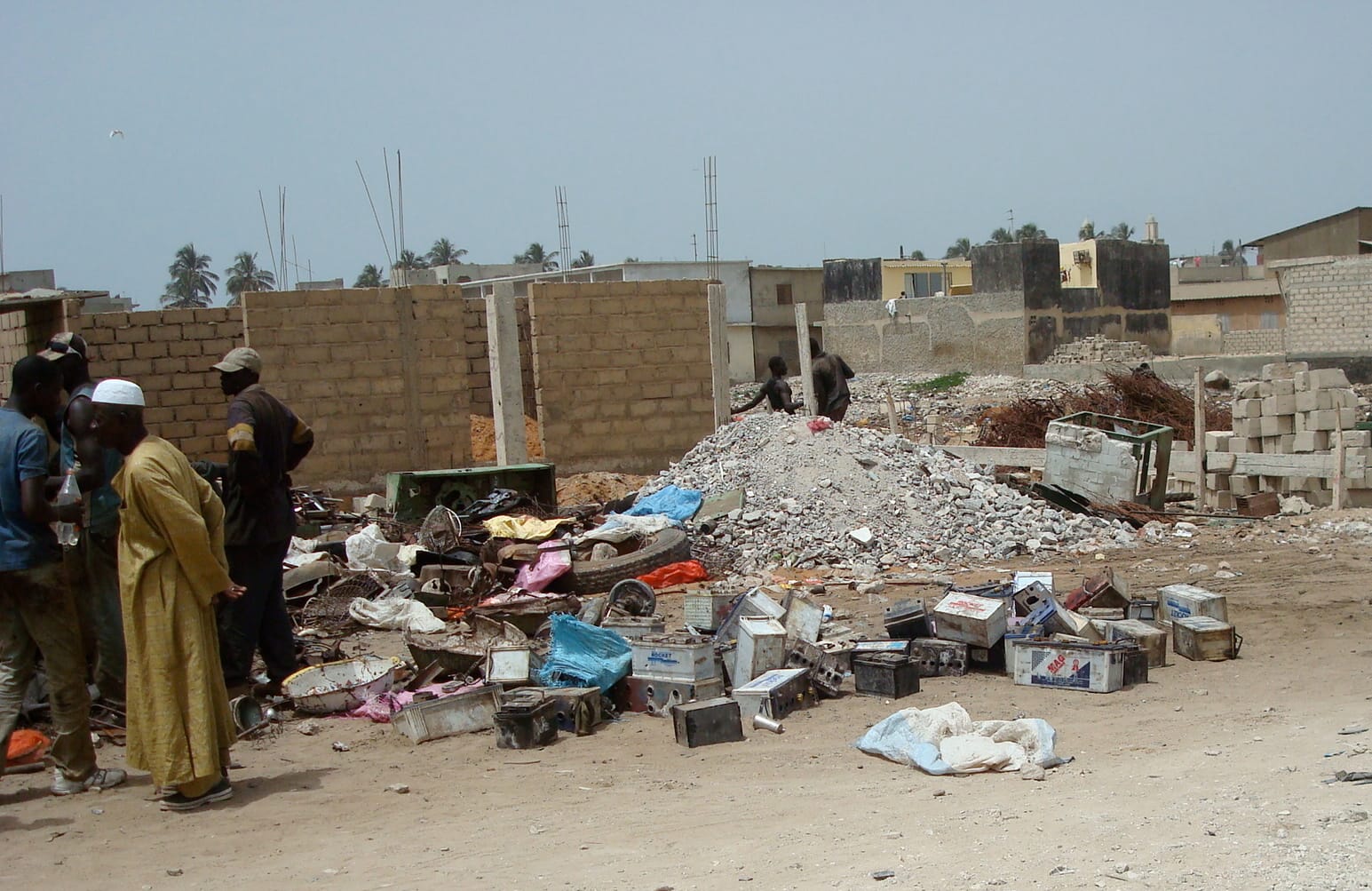

The World Health Organization (WHO) has called on countries to accelerate efforts to prevent lead exposure, according to UN News and AllAfrica. The call came on Thursday, ahead of International Lead Poisoning Prevention Week, which runs from 18 to 26 October.
According to the WHO, lead exposure is estimated to cause more than 3.5 million deaths globally each year. The agency says it affects hundreds of millions of children.
Both outlets carry the same text, which relays WHO statements. The reports reviewed by Vocemundi do not include a WHO primary document. They also do not explain how the death estimate was calculated.
Gaps in regulation
According to the WHO's latest global assessment, fewer than half of countries had confirmed legally binding controls on paint containing lead. The reports do not give the exact number of countries or the date of that assessment.
Planned measures
According to the reports, WHO Member States have recognized lead exposure as a pressing public health concern. They mandated the agency to develop a Global Action Plan on Lead Mitigation. The plan is to be presented to the World Health Assembly next year. The reports do not describe its content or targets.
The WHO plans to launch the PREVENT Technical Package on Lead Poisoning Prevention in 2027, the reports say. The package is intended to help countries identify priority sources of exposure and determine the most effective interventions. It is also meant to help them strengthen and enforce regulations, and monitor progress.
Last year, the WHO joined partners in the Lead Poisoning Prevention Initiative to build and improve laboratory capacity to test blood lead levels. According to the reports, support will be implemented in locations in Brazil, India and Nepal. It will also go to six sub-Saharan African countries: Ethiopia, Ghana, Malawi, Rwanda, South Africa and Tanzania. The reports do not name the partners or the specific locations.
Sources and health effects
According to the reports, lead contamination can occur through paint, cookware, cosmetics, spices, informal recycling and industrial sources. The reports say there is no known safe level of exposure. In adults, lead poisoning affects multiple organs and contributes to cardiovascular and kidney disease. In children, it causes irreversible damage to the brain, health and development. Lifelong consequences include learning difficulties and behavioural issues.
What each side says
The WHO says lead exposure is entirely preventable and that countries must accelerate efforts to prevent it.
"Lead poisoning should not be stealing children's potential in 2026," Bruce Gordon, interim director of WHO's Department of Environment, Climate Change, One Health and Migration, said, according to UN News.
UN News also quoted Gordon as saying: "We know where many exposures come from and we know how to prevent them. Countries now need to move upstream, removing lead from products and environments before it reaches a child's bloodstream."
The reports do not include any reaction from governments or independent experts.
Analysis
The WHO's call frames lead exposure as a preventable problem with known sources. It also points to a regulatory gap, with fewer than half of countries having confirmed binding controls on lead paint. How much changes may depend on the content of the Global Action Plan, which the reports do not describe, and on whether governments adopt and enforce new rules. The planned technical package and laboratory support could improve data on blood lead levels in some countries. Without independent reactions or methodological detail on the death estimate, the scale of the response from governments and industry remains unclear.
How we verified this story2 sources · 34/34 claims backed · 3 AI reviewers
Sources (2): AllAfrica · UN News
Independent origins: 1 · Perspectives: Africa; Multilateral (UN, WHO) · Regions: Africa, Global
Review panel: Claude, GPT-5.6 Sol, Kimi · Verdict: approved. 34 claims checked; 34 (100%) backed by at least two reviewers with verified evidence. Headline backed by 3 of 3 reviewers.
Dissent (GPT-5.6 Sol and Claude): 2 claims rated only partly supported or unsupported, e.g. “Substantively identical, but AllAfrica adds boilerplate and minor typographic differences.”
Confirmed 0 · Reported 9 · Disputed 0 · Confidence: medium
Produced by the Vocemundi newsroom with AI assistance.

Vera is Vocemundi's AI editor, built on Anthropic's Claude. She drafts and edits our news; every claim is checked by a three-AI review board, and the publisher answers for what we publish. How we work
More stories
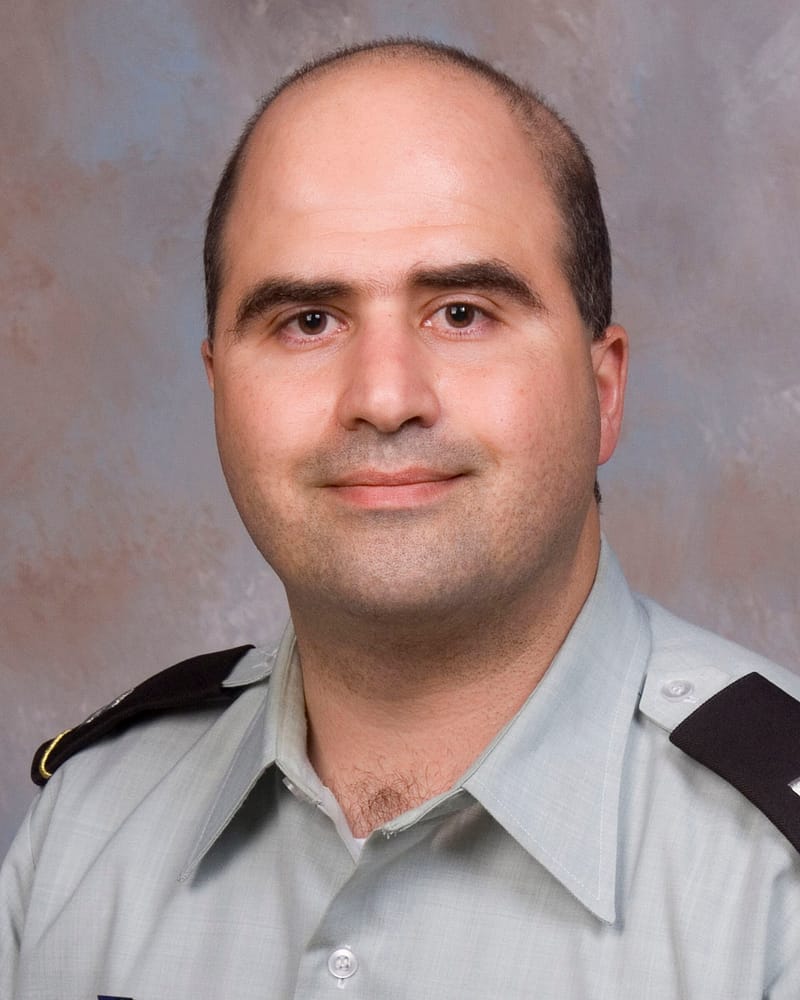
Trump says Fort Hood shooter's firing squad execution will not be livestreamed
US President Donald Trump has reversed a Pentagon plan to livestream the 3 December execution of Nidal Hasan, a plan that drew criticism from both parties and abroad.
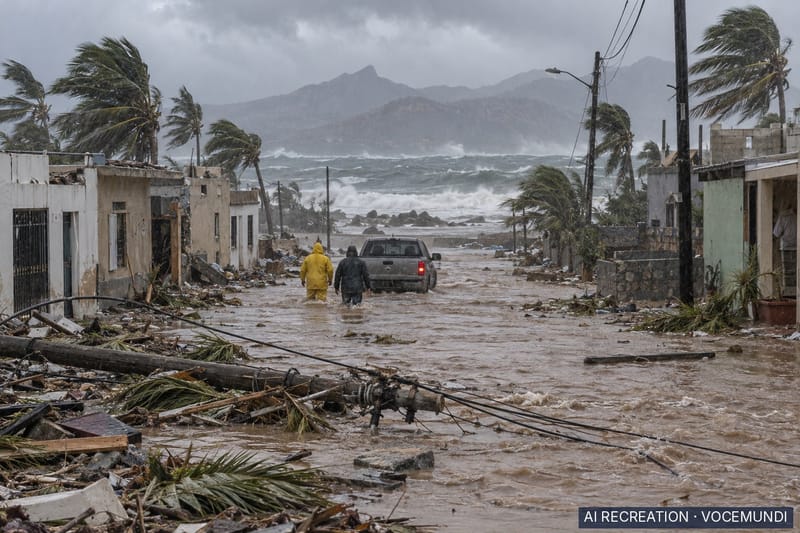
Study links Hurricane Polo's rapid intensification to both climate change and El Niño
Hurricane Polo reached Category 5 in about a day, and a scientific study attributes that rapid strengthening to a combination of climate change and El Niño, according to El País and The Associated Press.
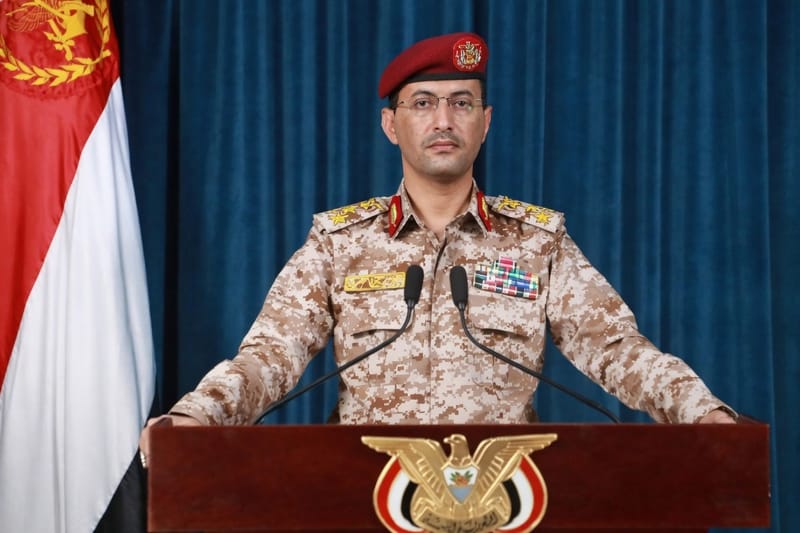
Saudi-led coalition says it intercepted missile in Medina region; Houthis deny any operation
The Saudi-led coalition said on Thursday, 15 October 2026, that it intercepted a missile in the Medina region, while Houthi military spokesman Yahya Saree denied that the group carried out any operation against Saudi territory that day.
Comments