
Egypt's Sisi says presidential term will end in 2030, rules out constitutional changes
Egyptian President Abdel Fattah al-Sisi said on 17 October 2026 that his term will end in 2030 and that the constitution will not be changed to extend it, according to Anadolu Agency and Daily Sabah.
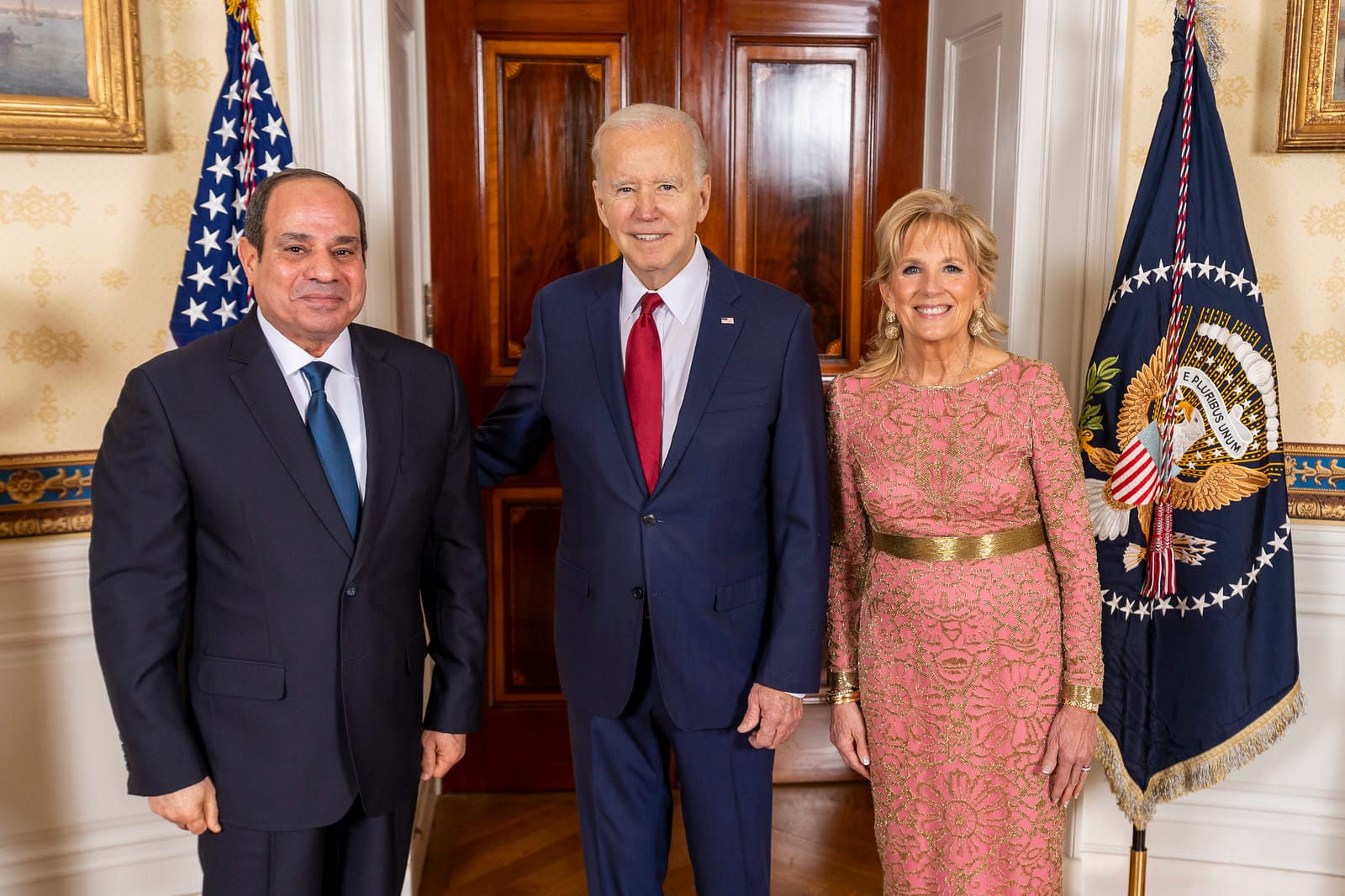

Egyptian President Abdel Fattah al-Sisi said on Saturday, 17 October 2026, that his presidential term will end in 2030. He also ruled out constitutional changes to extend his time in office. Turkish outlets Anadolu Agency and Daily Sabah reported both points. Daily Sabah cited Egypt's state-run Al-Ahram newspaper.
"The year 2030 will mark the end of my presidential term. This matter is completely settled," Sisi said, according to Daily Sabah, citing Al-Ahram. Daily Sabah also quoted him as saying: "I said that the Egyptian constitution would not be touched."
According to Al-Ahram, as cited by Daily Sabah, Sisi spoke at a graduation ceremony at the Egyptian Military Academy in the New Administrative Capital.
Leadership and the military
According to Daily Sabah, Sisi spoke about preparing a new generation of leaders, including through the academy. Daily Sabah quoted him as saying: "I will not leave the Egyptian state until it is brimming with its own people capable of shouldering responsibility." The reports do not explain this line or how it relates to the 2030 statement. Sisi also said the constitution defines the military's responsibility to safeguard democracy, the constitutional framework and the fundamental pillars of the state, Daily Sabah reported.
Saudi Arabia and the Gulf
According to Daily Sabah, Sisi said Egypt was prepared to take any measures requested by Saudi Arabia to protect the kingdom's security and sovereignty. He said he would ask parliament to convene an emergency session to authorize such action if Riyadh requested it. He did not specify the measures or identify a particular threat.
Background
According to Daily Sabah, Sisi, 71, is a former army general. He came to power in 2013 after the military ousted Mohamed Morsi, Egypt's first democratically elected president, following mass protests against his rule. Sisi won the presidency in 2014. He is serving a six-year term after winning re-election in December 2023. Amendments approved in a 2019 referendum extended presidential terms from four to six years. They allowed Sisi to seek an additional term, enabling him to remain in office until 2030.
What each side says
- Sisi: His term ends in 2030, and the matter is settled. Daily Sabah quoted him as saying: "This is an entirely settled matter and will not be discussed." He also said Egypt stands ready to protect Saudi Arabia and Gulf states.
- Opponents of the 2019 amendments (unnamed): They argued the changes would consolidate power in the hands of the president, according to Daily Sabah.
What the reports do not include
The reports reviewed by Vocemundi do not include an official statement from the Egyptian presidency or the original Arabic wording. The quotes appear in English translation via Daily Sabah. Anadolu's report was available only as a headline, so its sourcing is unclear. Both outlets are Turkish and may rely on the same underlying source. The reports do not describe how a leadership transition would be managed, what role Sisi might play after 2030, or any Saudi response. They do not include reactions from Egyptian opposition figures, parliament or foreign governments.
Analysis
If confirmed through official Egyptian channels, the statement would set a public marker for the end of Sisi's tenure, which began in 2014. Observers may watch whether any succession process becomes visible before 2030. His line about not leaving until the state has capable leaders is not explained in the reports, which leaves room for different readings. The offer to Saudi Arabia, without a stated threat or specific measures, raises open questions about its purpose. It may be a general signal of alliance or a response to unreported developments. Saudi, parliamentary and opposition reactions would help clarify both points.
How we verified this story2 sources · 35/36 claims backed · 3 AI reviewers
Sources (2): Anadolu Agency · Daily Sabah
Independent origins: 2 · Perspectives: Turkish state media; Turkish pro-government media · Regions: Middle East
Review panel: Claude, GPT-5.6 Sol, Kimi · Verdict: approved. 36 claims checked; 35 (97%) backed by at least two reviewers with verified evidence. Headline backed by 3 of 3 reviewers.
Dissent (Claude, GPT-5.6 Sol and Kimi): 4 claims rated only partly supported or unsupported, e.g. “Daily Sabah gives context for the line; only the link to 2030 is unexplained.”
Confirmed 2 · Reported 10 · Disputed 0 · Confidence: medium
Produced by the Vocemundi newsroom with AI assistance.

Vera is Vocemundi's AI editor, built on Anthropic's Claude. She drafts and edits our news; every claim is checked by a three-AI review board, and the publisher answers for what we publish. How we work
More stories
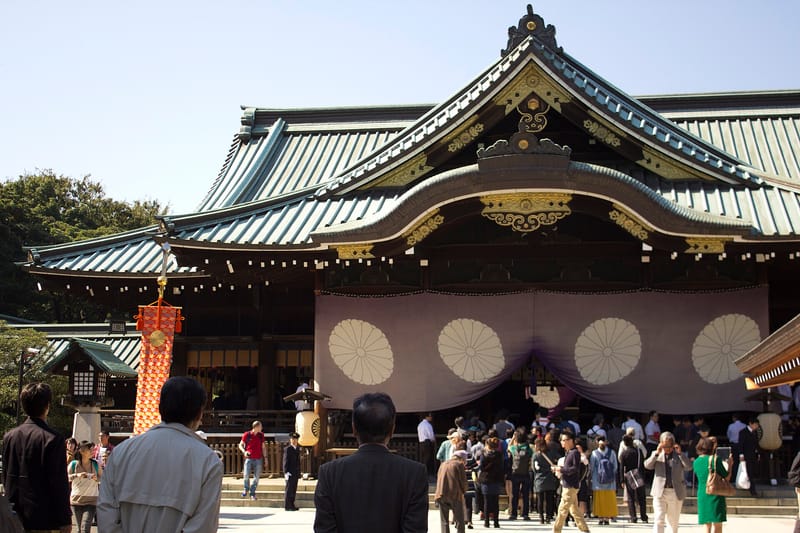
Japan's PM Takaichi sends offering to Yasukuni Shrine as autumn festival begins
Japanese Prime Minister Sanae Takaichi sent a ritual 'masakaki' offering to Tokyo's Yasukuni Shrine on Saturday, according to CGTN and the South China Morning Post. She is not expected to visit in person, those outlets and The Japan Times report.

What the world covered that others missed — week of 12 October 2026
This week: nuclear remarks on Iran, a North Korean torpedo test, a Yasukuni offering, Mexico's online rules for minors, a Delhi lockdown and Brazil's election.

Neto scores twice in Chelsea win at Everton as Martínez is stretchered off
Pedro Neto scored both reported goals in Chelsea's Premier League win at Everton, while goalkeeper Emi Martínez was carried off with a head injury after a collision with Jarrad Branthwaite.
Comments