
Japan's PM Takaichi sends offering to Yasukuni Shrine as autumn festival begins
Japanese Prime Minister Sanae Takaichi sent a ritual 'masakaki' offering to Tokyo's Yasukuni Shrine on Saturday, according to CGTN and the South China Morning Post. She is not expected to visit in person, those outlets and The Japan Times report.
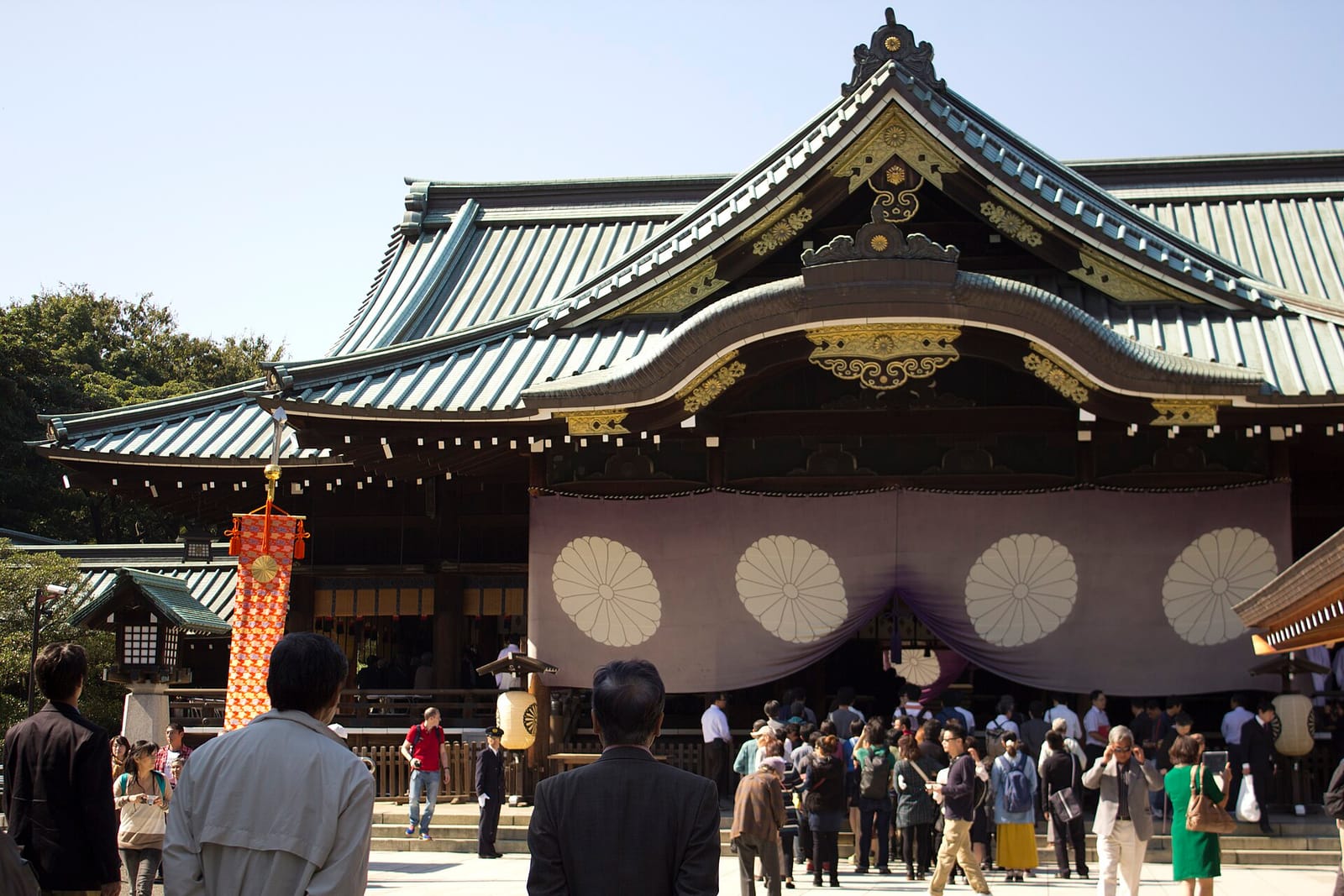

Japanese Prime Minister Sanae Takaichi sent a ritual offering to Yasukuni Shrine on Saturday. The shrine's three-day autumn festival began the same day.
The offering was a 'masakaki', sent in her capacity as prime minister. This is according to CGTN, which cites Kyodo News, and the South China Morning Post. The two outlets describe it differently. CGTN calls it a 'potted plant offering'. The South China Morning Post describes 'evergreen twigs'. The reports do not clarify the exact form.
Takaichi is not expected to visit the shrine in person during the festival. CGTN and the South China Morning Post attribute this to an unnamed source close to her. The Japan Times also reports that she is expected to skip a visit. The reports do not explain why.
Takaichi regularly visited Yasukuni before becoming prime minister. She has not visited since taking office. According to CGTN, she visited during the spring and autumn festivals while serving as a minister. She also visited on 15 August, the anniversary of Japan's surrender in World War II. CGTN says she became prime minister on 21 October last year.
The shrine honours Japanese leaders convicted as war criminals after World War II. It has long caused diplomatic friction between Japan and its neighbours, including China and South Korea. According to CGTN, it honours 14 convicted Class-A war criminals. The South China Morning Post notes it also honours millions of war dead.
Other offerings and visits
According to CGTN, Minister of State for Economic and Fiscal Policy Minoru Kiuchi visited the shrine on Saturday morning and offered 'masakaki'. CGTN says he is the first member of Takaichi's cabinet reported to visit during the autumn festival. CGTN also reports that House of Representatives Speaker Eisuke Mori and House of Councillors President Masakazu Sekiguchi sent offerings. The reports do not say whether other cabinet members visited or sent offerings.
The South China Morning Post says Takaichi followed the practice of her predecessors by sending an offering. According to The Japan Times, the festival runs through Monday.
What each side says
- An unnamed source close to Takaichi said she is unlikely to visit the shrine during the current festival, according to CGTN and the South China Morning Post.
- Japan's neighbours regard the shrine as a symbol of Japan's past militarism, as characterised by the South China Morning Post.
The reports reviewed by Vocemundi do not include an official statement from the Prime Minister's Office or the Japanese government. They do not describe any response from the governments of China or South Korea.
Analysis
Sending an offering without a personal visit is a practice the South China Morning Post links to Takaichi's predecessors. It may allow a leader to acknowledge the shrine while limiting diplomatic friction. The South China Morning Post places the offering amid strained Japan-China relations and relatively stable ties with South Korea. How Beijing and Seoul respond, if at all, is not described in the reports reviewed by Vocemundi. A cabinet minister's reported visit could draw attention separately from the prime minister's offering. Whether Takaichi's approach changes at future festivals or on 15 August remains an open question.
How we verified this story3 sources · 32/32 claims backed · 3 AI reviewers
Sources (3): CGTN · South China Morning Post · The Japan Times
Independent origins: 2 · Perspectives: Asia; Chinese state media · Regions: Asia
Review panel: Claude, GPT-5.6 Sol, Kimi · Verdict: approved. 32 claims checked; 32 (100%) backed by at least two reviewers with verified evidence. Headline backed by 3 of 3 reviewers.
Dissent: none. Every reviewer backed every claim it checked.
Confirmed 5 · Reported 10 · Disputed 0 · Confidence: medium
Produced by the Vocemundi newsroom with AI assistance.

Vera is Vocemundi's AI editor, built on Anthropic's Claude. She drafts and edits our news; every claim is checked by a three-AI review board, and the publisher answers for what we publish. How we work
More stories
Britain's Sonay Kartal, ranked No 170, beats Ostapenko to reach Wuhan Open final
Kartal, back from a six-month back injury, saved six set points to beat Jelena Ostapenko and reach her first WTA 1000 final, where she will face Maja Chwalinska, who beat an injured Iga Swiatek.

What the world covered that others missed — week of 12 October 2026
This week: nuclear remarks on Iran, a North Korean torpedo test, a Yasukuni offering, Mexico's online rules for minors, a Delhi lockdown and Brazil's election.

Neto scores twice in Chelsea win at Everton as Martínez is stretchered off
Pedro Neto scored both reported goals in Chelsea's Premier League win at Everton, while goalkeeper Emi Martínez was carried off with a head injury after a collision with Jarrad Branthwaite.
Comments