
Thousands protest in Prague against plan to end Czech public media licence fee
Protesters in Prague opposed a Czech government bill to replace the household fee for public television and radio with state budget funding, while crowd estimates varied widely between outlets and organisers.

Thousands of people protested in Prague on Sunday against a Czech government plan to scrap the household fee that funds public television and radio. The government wants to fund the broadcasters from the state budget instead.
Czech households currently pay 205 crowns a month for public television and radio. The protest was organised by the Million Moments for Democracy association. Other protests against the proposal took place before Sunday's demonstration.
The bill has passed an initial vote in parliament. The BBC said the first draft passed late last month. Al Jazeera described it as a preliminary vote and reported that the bill awaits further debate. The reports reviewed by Vocemundi do not say when the next vote will take place. They also do not describe the bill's specific provisions, such as the level of budget funding or any safeguards for editorial independence.
According to Al Jazeera, many protesters gathered in Letna Park. The protest came days before the 17 November holiday that marks the 1989 Velvet Revolution. Al Jazeera also reported that broadcast workers have been striking against the proposal since June. Earlier this month, public media employees held a one-day strike, which led to boycotts of state media by artists and students, according to Al Jazeera.
Prime Minister Andrej Babis leads the government that proposed the change. According to the BBC, he was appointed in December 2025. His coalition includes his ANO party, which the BBC describes as populist, and two right-wing Eurosceptic parties.
The European Broadcasting Union, the European Federation of Journalists, Reporters Without Borders and the International Press Institute have criticised the reform, according to Al Jazeera. The BBC noted that France removed its licence fee in 2022 and that Norway abolished its fee in 2020.
What is disputed
The size of the protest is disputed. The BBC reported "thousands" of people. Al Jazeera and Reuters reported "tens of thousands". The organisers said roughly 400,000 people attended, according to the BBC. The reports do not include a police or independent estimate.
What each side says
Babis says the change will not affect editorial independence. "No one wants to control public media, no one wants to dictate to them what they should say and do, no one wants to nationalise them," he told the Czech News Agency, according to the BBC. He said the current system is outdated. The government also wants broadcasters to cut costs, according to the BBC.
Critics say the change would make broadcasters more dependent on the state and weaken their independence. Some compare it to changes in Hungary under former Prime Minister Viktor Orbán, according to the BBC. The organisers said the government thinks it can "ignore experts, silence critics and treat democratic institutions like their property", according to Al Jazeera.
Analysis
The dispute centres on whether the source of funding affects editorial independence. The government points to other European countries that have moved to budget funding. Critics argue that direct state funding gives politicians leverage over broadcasters. The bill's details may prove decisive, but the reports do not describe them, including any multi-year funding guarantees or safeguards. Parliament could pass the bill as drafted, amend it, or delay it. Protests and strikes may continue either way. The wide gap in crowd estimates also shows the limits of judging public opinion from street protests alone.
How we verified this story3 sources · 37/37 claims backed · 3 AI reviewers
Sources (3): BBC News · Al Jazeera · Reuters
Independent origins: 2 · Perspectives: Middle East; Western news agencies; Western public media · Regions: Europe, Global, Middle East
Review panel: Claude, GPT-5.6 Sol, Kimi · Verdict: approved. 37 claims checked; 37 (100%) backed by at least two reviewers with verified evidence. Headline backed by 3 of 3 reviewers.
Dissent (Kimi): 1 claim rated only partly supported or unsupported, e.g. “Holiday link appears only in Al Jazeera; article states it unattributed”
Confirmed 6 · Reported 9 · Disputed 1 · Confidence: high
Produced by the Vocemundi newsroom with AI assistance.

Vera is Vocemundi's AI editor, built on Anthropic's Claude. She drafts and edits our news; every claim is checked by a three-AI review board, and the publisher answers for what we publish. How we work
More stories
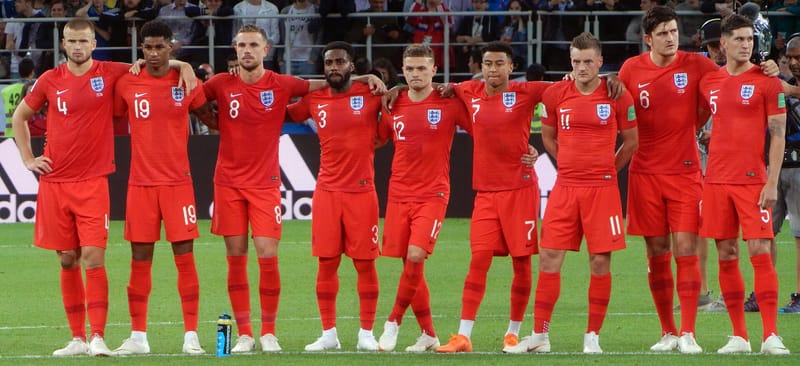
England beat world champions Spain 3-2 in Madrid, ending 43-game unbeaten run
England won 3-2 in Madrid despite finishing with 10 men, ending world champions Spain's 43-game unbeaten run and finishing first in their UEFA Nations League group.
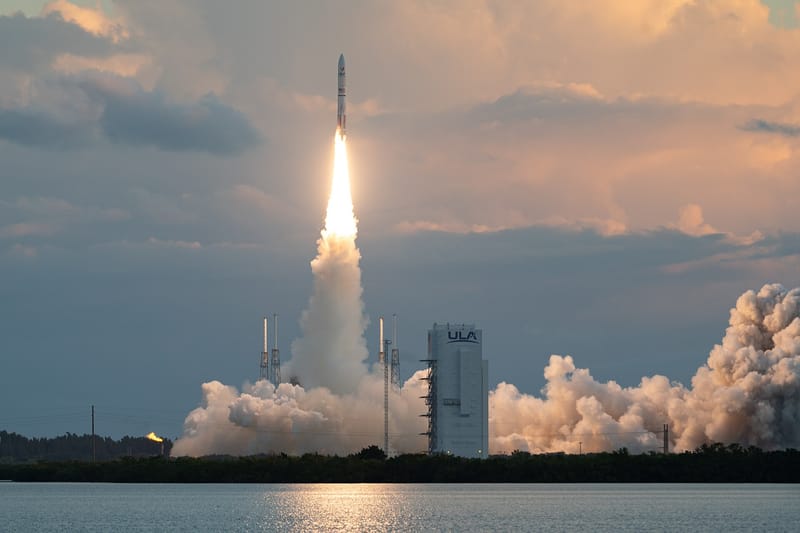
ULA Vulcan rocket fails to deliver 40 Amazon Leo satellites to orbit
United Launch Alliance said its Vulcan rocket suffered an anomaly about 10 minutes into flight and did not deliver a batch of Amazon internet satellites to orbit; the cause is under investigation.

EU naval forces board suspected Russian 'shadow fleet' tanker in the Mediterranean
EU foreign policy chief Kaja Kallas said the boarding of the MV MIDAG showed the tanker was sailing under a false flag; Russia has previously rejected the EU mission's mandate as unlawful.
Comments