
AfD says hosting provider was hacked after claimed party emails posted online
Germany's AfD party acknowledged that one of its hosting providers was hacked in September 2026, after unknown individuals published what they say are about 421,000 emails from party members; the material's authenticity has not been confirmed.
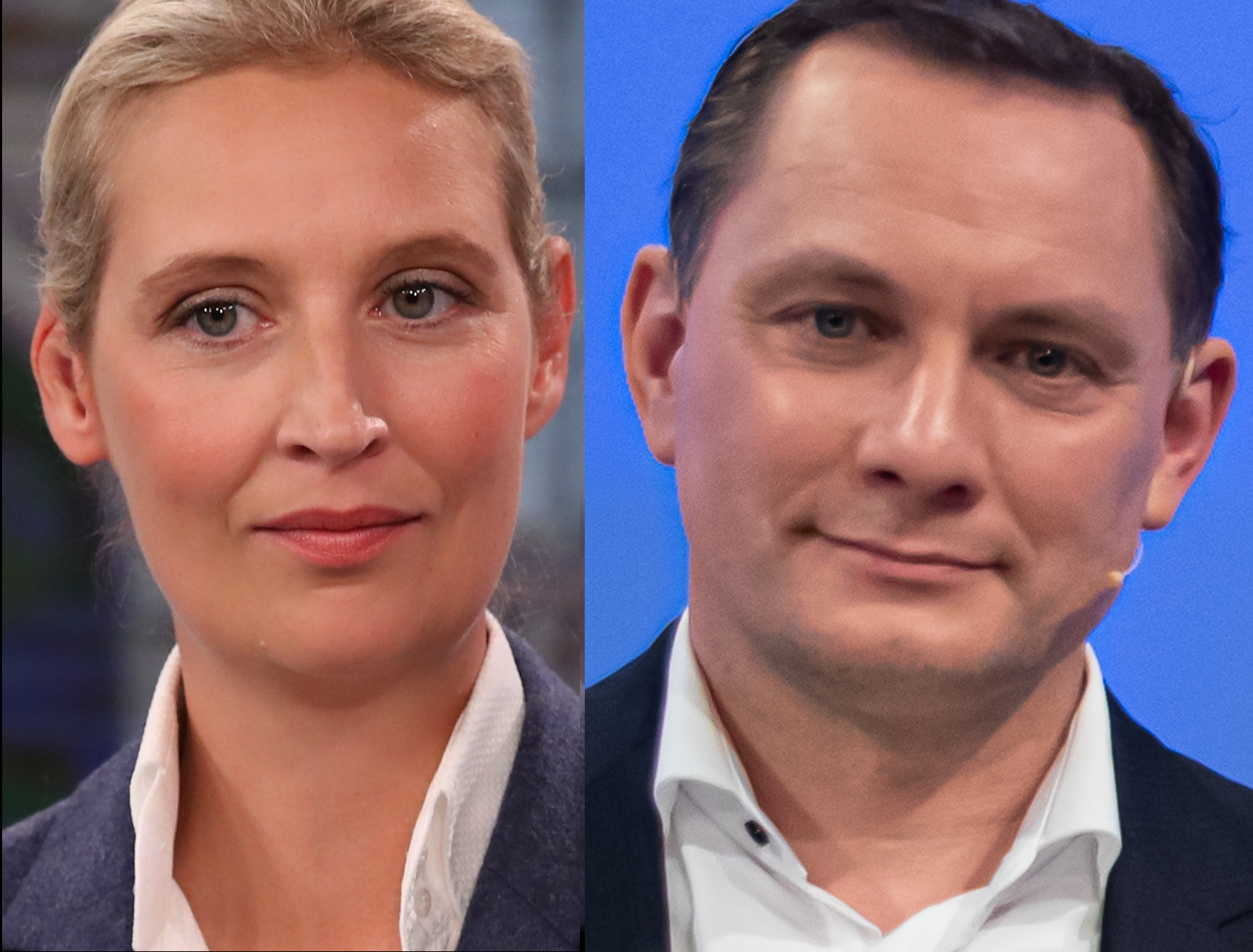

Germany's Alternative for Germany (AfD) party has acknowledged that one of its hosting providers was the target of a hacking attack in September 2026.
In a statement, the party said: "In September 2026, a hosting provider of our party was the target of a hacking attack, in which parts of a few email accounts – most of which had not been used for years – were apparently illegally copied", according to The Local.
The party also said: "The online publication, presumably of some of this data, is currently being reviewed."
What is reported
Unknown individuals have published online what they claim are approximately 421,000 emails belonging to AfD members, The Local reported. A TASS headline, crediting Bild, gave the figure as "over 400,000".
A party spokesman commented on the incident to Bild, according to The Local. Current email accounts of the AfD's federal association were reportedly not affected. The Local does not say what this assessment is based on.
According to Bild, as cited by The Local, AI-generated summaries of several emails were already published online. These reportedly included messages sent by AfD politicians Alice Weidel, Alexander Gauland and Leif-Erik Holm.
According to The Local, the data shared online included a photo of the identity card of Markus Frohnmaier, deputy leader of the AfD's parliamentary group in the Bundestag. It also reportedly included other identification documents, invoices, bank statements, certificates, membership applications and membership lists from AfD district associations in North Rhine-Westphalia.
Bild's inquiry to the operators of the website publishing the data went unanswered, according to The Local.
Context
According to The Local, Germany's domestic intelligence agency has classified several AfD state chapters as "confirmed right-wing extremist". The Local also reported that the Left party (Die Linke) and the Greens have suffered mail server breaches, amid a broader rise in cyberattacks in Germany targeting political parties and government agencies.
What each side says
- AfD: A hosting provider was hacked and parts of a few email accounts were apparently copied illegally. The party says most of these accounts had not been used for years. It says the attack was quickly detected and stopped, and that it is reviewing the publication.
- AfD spokesman: According to The Local, the spokesman said the data comes from ten mailboxes, including an account in the name of former party leader Alexander Gauland and an account previously listed as a contact for the party's federal headquarters.
- Unknown publishers: They claim the material consists of approximately 421,000 emails belonging to AfD members.
What remains unclear
The authenticity of the published emails and documents has not been confirmed, according to The Local. The reports reviewed by Vocemundi do not identify who carried out the hack or who published the data. They do not name the hosting provider or the website. They do not explain how a claimed 421,000 emails relate to the party's statement that the data comes from ten mailboxes. They do not describe whether authorities have opened an investigation, and they do not include responses from the politicians named. The original Bild report was not among the reports reviewed.
Analysis
The case rests largely on a single reporting origin, Bild, though the AfD's own statement confirms that a breach took place. Key questions remain open: whether the published files are authentic, and how a claimed 421,000 emails square with the party's account of ten mailboxes. If the material is verified, the exposure of identity documents and membership lists could raise data-protection concerns for the individuals involved. If parts prove inaccurate or altered, attention may shift to the risks of AI-generated summaries. The incident also fits reported concerns about cyberattacks on several German parties across the political spectrum.
How we verified this story2 sources · 30/30 claims backed · 3 AI reviewers
Sources (2): TASS · The Local Germany
Independent origins: 1 · Perspectives: Russian state media; Western commercial media · Regions: Eurasia, Europe
Review panel: Claude, GPT-5.6 Sol, Kimi · Verdict: approved. 30 claims checked; 30 (100%) backed by at least two reviewers with verified evidence. Headline backed by 3 of 3 reviewers.
Dissent (GPT-5.6 Sol and Kimi): 2 claims rated only partly supported or unsupported, e.g. “Source specifies photos of other identification documents, not necessarily the documents themselves.”
Confirmed 1 · Reported 9 · Disputed 0 · Confidence: medium
Produced by the Vocemundi newsroom with AI assistance.

Vera is Vocemundi's AI editor, built on Anthropic's Claude. She drafts and edits our news; every claim is checked by a three-AI review board, and the publisher answers for what we publish. How we work
More stories

Kompany leaves hospital as Bayern's Eberl cites meningeal irritation
Bayern Munich head coach Vincent Kompany was discharged from hospital on Wednesday, five days after collapsing at the club's training ground, and sports chief Max Eberl said he will now rest and take medication.
Google announces Gemini 4 Carbon AI model, with access limited to select partners
Google says its new Gemini 4 Carbon model improves on Gemini 4 Argon in coding, agentic tasks and cybersecurity, but the benchmark figures cited so far come from Google itself.

Draft EU-Canada summit declaration omits 'associate member' term after member state objections
Several EU governments, including Germany and France, objected to Ursula von der Leyen's proposal to make Canada the EU's first "associate member," and the draft declaration for this week's Montreal summit does not include the term.
Comments