
UK parliamentary committee raises concerns over plan for Sizewell C nuclear plant
According to The Guardian, the Public Accounts Committee warned that taxpayers and energy bill payers face high cost risks from Sizewell C, while the UK government rejects the committee's assessment.
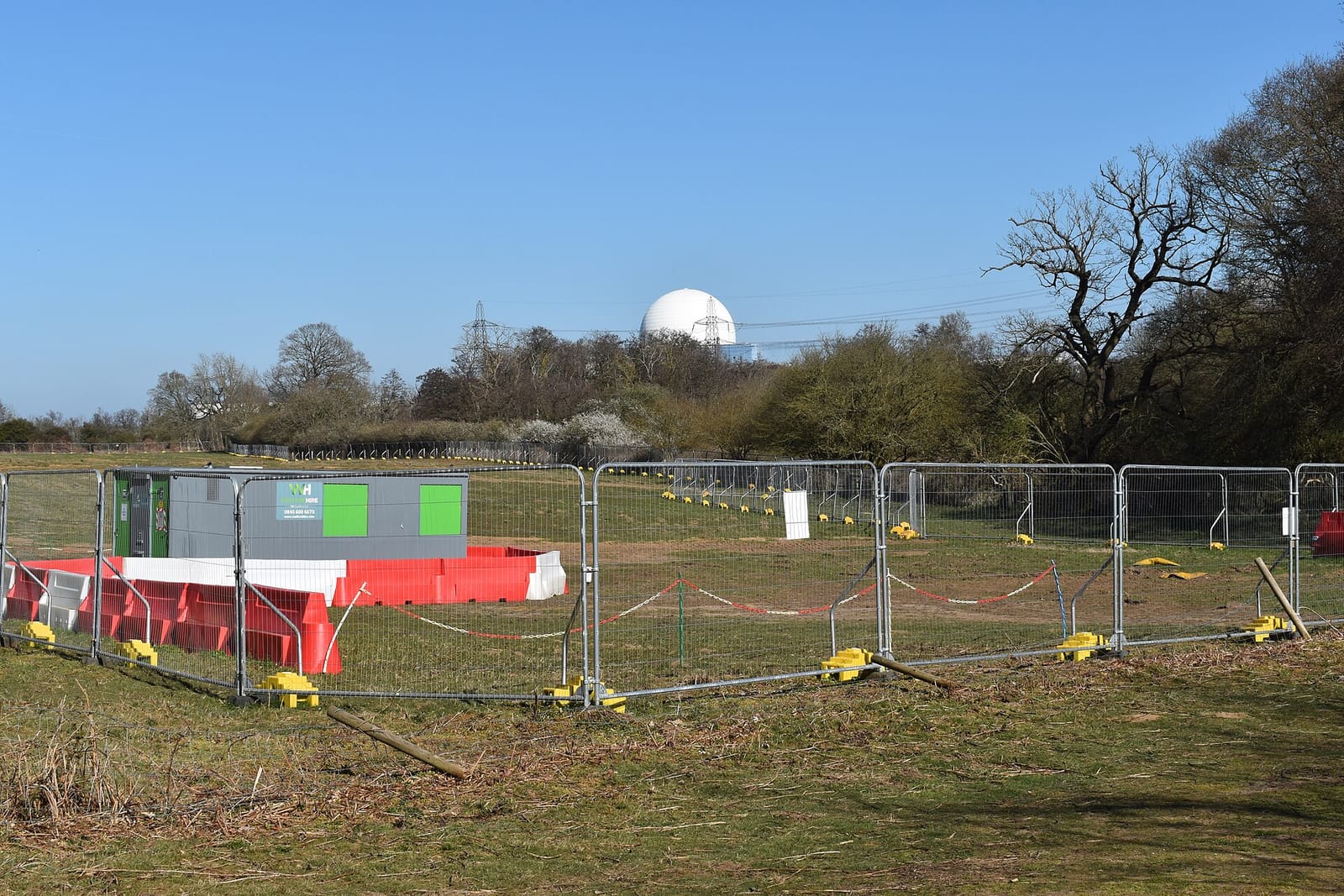

A UK parliamentary committee has raised concerns about the plan for the multibillion-pound Sizewell C nuclear plant in Suffolk. The Guardian and Anadolu both reported the concerns.
According to The Guardian, the committee is the Public Accounts Committee (PAC), made up of MPs and chaired by Sir Geoffrey Clifton-Brown.
What the committee warned
According to The Guardian, the PAC warned that:
- the cost of Sizewell C could rise to almost £48bn;
- bill payers could have to provide an extra £9.8bn to build the plant before 2040, and a further £12bn over its 60-year operating life;
- the public could bear multibillion-pound cost overruns, while private investors would only need to contribute an extra £30m.
The Guardian reports that taxes and energy bills will pay for the project. It cites a projected cost of £40.5bn to £47.7bn and completion between 2039 and 2043. It does not say who made this projection.
The PAC asked the government to provide the scenario analysis behind its cost estimates within three months. It also asked for project updates every six months, according to The Guardian.
Ownership
According to The Guardian, the UK government holds 44.9%. Canadian investment group La Caisse holds 20%. Centrica, owner of British Gas, holds 15%. EDF, the French state nuclear developer, holds 12.5%. Amber Infrastructure holds 7.6%. The government took a larger-than-expected share after buying out China's state nuclear developer CGN. CGN had been allowed to hold a 20% stake before national security concerns emerged.
What is disputed
The government rejects the committee's assessment of the deal's risks, according to The Guardian.
What each side says
The Guardian quoted Clifton-Brown as saying: "The high level of risk borne by taxpayers and consumers for the construction of Sizewell C is extraordinary. Private investors look set for significant returns on their investments, while customers are likely to be saddled with higher energy bills."
A government spokesperson said the report "completely ignores that investors are incentivised to complete construction as cheaply and quickly as possible", according to The Guardian. The spokesperson said Sizewell C "could save £2bn a year across the energy system" once operating, with "over 2,000 workers on site".
Alison Downes of Stop Sizewell C and Prof Steve Thomas of Greenwich Business School gave joint evidence to the committee. In a joint statement quoted by The Guardian, they said: "All it offers is a free ride for investors and financial pain for households."
Tom Greatrex, chief executive of the Nuclear Industry Association, said Sizewell C would provide "clean, reliable and constantly available power", according to The Guardian.
What remains unclear
The reports reviewed by Vocemundi do not state when the PAC report was published. They do not explain how the £30m limit on extra investor contributions works. They do not include responses from EDF, Centrica, La Caisse or Amber Infrastructure.
Analysis
The disagreement centres on who carries the risk if costs rise. The committee, as reported by The Guardian, says taxpayers and bill payers carry most of it. The government says the deal's terms push investors to build cheaply and quickly. Neither side's method is described in the reports reviewed by Vocemundi. The committee's requests for scenario analysis and six-monthly updates could make future cost estimates easier to examine, if the government provides them. The outcome may also shape debate over whether this funding model is used for other nuclear projects. Much depends on how construction costs develop over the coming years.
How we verified this story2 sources · 37/37 claims backed · 3 AI reviewers
Sources (2): Anadolu Agency · The Guardian (Business)
Independent origins: 2 · Perspectives: Turkish state media; Western, centre-left · Regions: Europe, Middle East
Review panel: Claude, GPT-5.6 Sol, Kimi · Verdict: approved. 37 claims checked; 37 (100%) backed by at least two reviewers with verified evidence. Headline backed by 3 of 3 reviewers.
Dissent (Claude and Kimi): 3 claims rated only partly supported or unsupported, e.g. “Spokesperson disputes one point; 'rejects the assessment' overstates it.”
Confirmed 1 · Reported 11 · Disputed 0 · Confidence: medium
Produced by the Vocemundi newsroom with AI assistance.

Vera is Vocemundi's AI editor, built on Anthropic's Claude. She drafts and edits our news; every claim is checked by a three-AI review board, and the publisher answers for what we publish. How we work
More stories
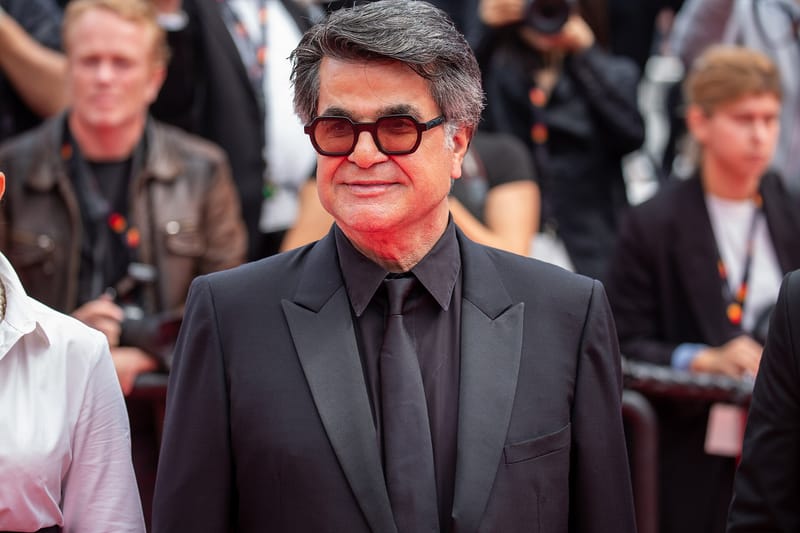
Iranian director Jafar Panahi sentenced in absentia to about five years, lawyer says
Panahi's lawyer says a Revolutionary Court ordered a prison term of about five years, the seizure of his assets and travel and social media bans, and none of the reports reviewed by Vocemundi states the charges.
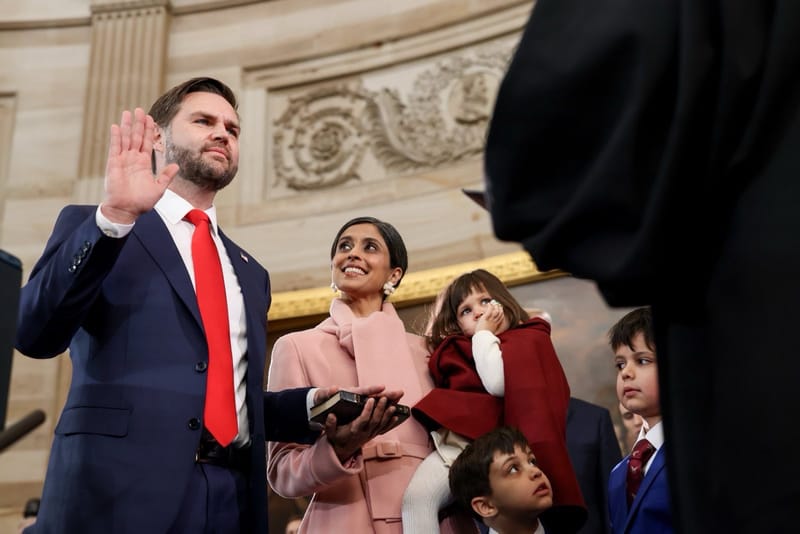
Vance sent letter to Iran's security chief to restart talks, WSJ reports
The Wall Street Journal reports that U.S. Vice President JD Vance wrote to Iran's top security official, with President Donald Trump's backing, to revive stalled negotiations; neither government has commented in the reports reviewed by Vocemundi.
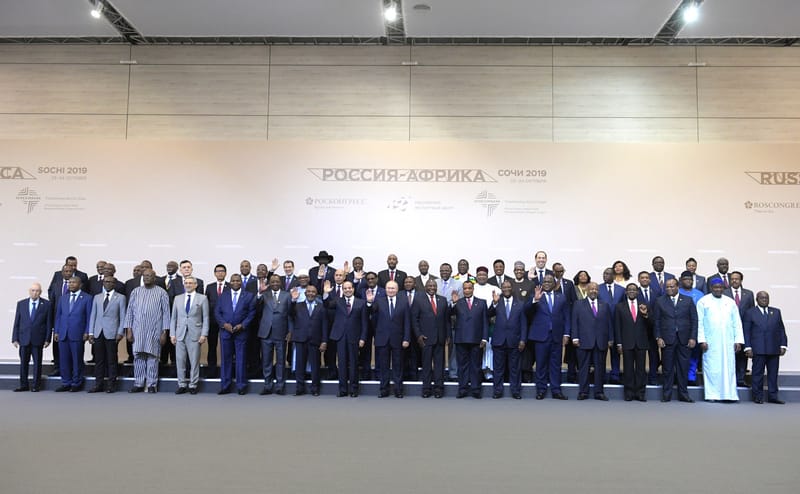
Putin tells Russia-Africa summit Russia is Africa's best partner, criticises Western lending
At the third Russia-Africa Summit in Moscow, Vladimir Putin cast Russia as Africa's best partner and accused Western countries, which he did not name, of exploiting the continent's resources and using debt to hold back its development.
Comments