
Iranian director Jafar Panahi sentenced in absentia to about five years, lawyer says
Panahi's lawyer says a Revolutionary Court ordered a prison term of about five years, the seizure of his assets and travel and social media bans, and none of the reports reviewed by Vocemundi states the charges.
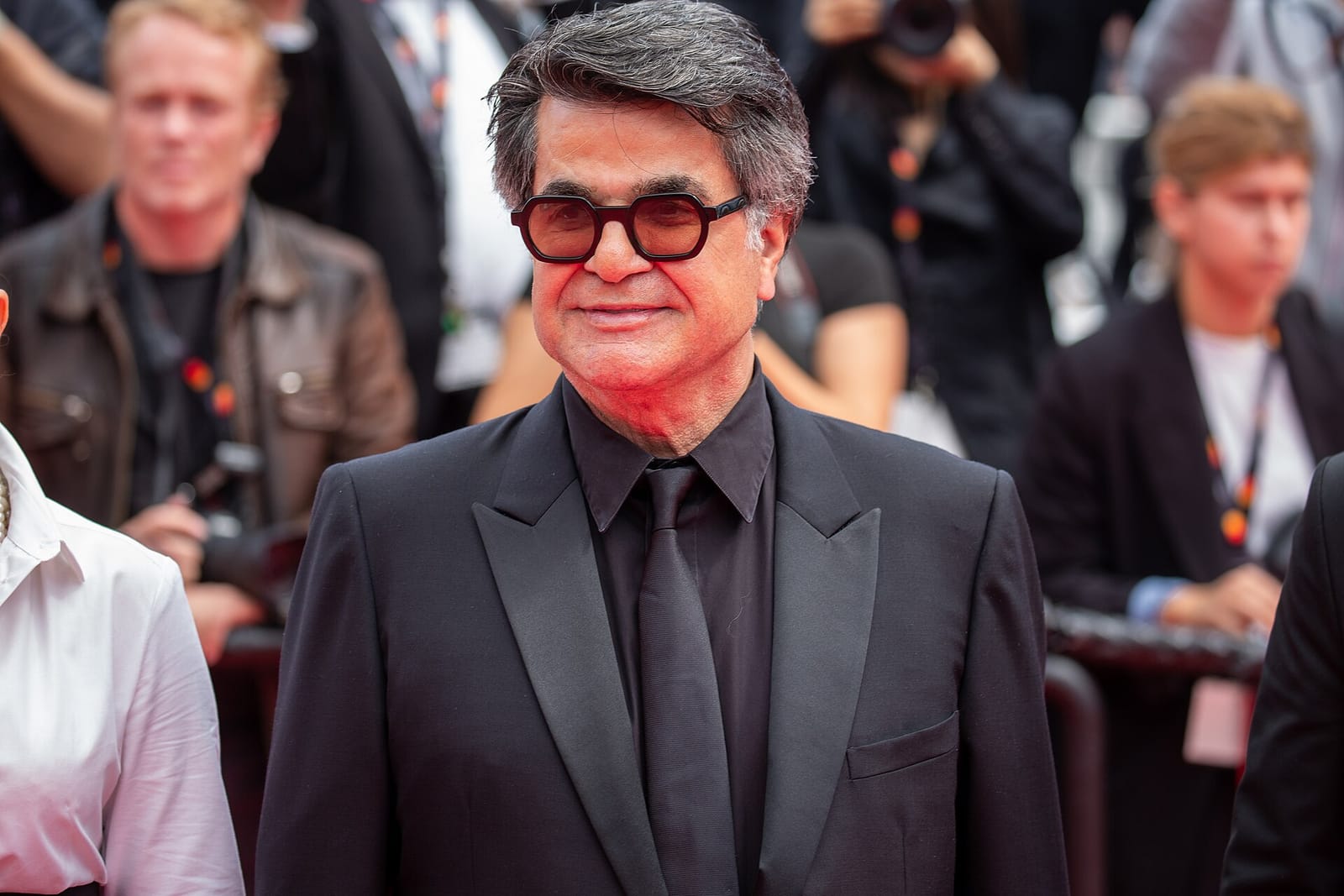

An Iranian Revolutionary Court has sentenced film director Jafar Panahi to about five years in prison, according to his lawyer, Mostafa Nili. The Guardian, Euronews and Reuters carried the lawyer's account. The reports reviewed by Vocemundi do not include any statement from Iran's judiciary or other Iranian authorities.
According to the lawyer, Panahi was sentenced in absentia. He said the ruling orders the seizure of all of Panahi's assets, a two-year travel ban and a two-year ban on using social media. He also said Panahi was not notified of the hearing and faces three open legal cases.
None of the reports states the charges behind the new sentence. They do not give the date of the hearing or the ruling. They do not say whether the ruling can be appealed.
The lawyer's account was first carried by the Iranian outlet Emtedad. Reuters cited the semi-official Nournews, which reported the sentence citing the lawyer. Euronews reported that the ruling came from Branch 26 of Tehran's Revolutionary Court.
According to the Guardian, the lawyer said he learned of the proceedings only after Panahi's bank accounts were frozen the previous week. According to Euronews, the lawyer said court documents described Panahi as abroad and unreachable. Euronews also reported that Panahi returned to Iran on 30 March 2026 and appeared before an investigative court in August in a separate case. His lawyer says he is in Iran.
The Guardian cited the Associated Press as reporting that a Europe-based activist who is a friend of Panahi spoke with him on Monday evening, after the sentencing. The friend said Panahi had not been detained.
Background
Panahi won the Palme d'Or at Cannes in 2025 for It Was Just an Accident. He returned to Iran in March 2026 after a trip abroad to promote the film. In 2025 he was sentenced in absentia to one year in prison on a charge of propaganda activities against the system. Euronews reported that this conviction, issued in December 2025, also carried a two-year travel ban and was upheld on appeal.
What is disputed
The Guardian and Euronews put the new sentence at five years and one month. The Reuters summary reviewed by Vocemundi says five years, which may be a rounded figure.
What each side says
- Moein Khazaeli, a human rights lawyer at Dadban, said the sentence and asset seizure could violate Iran's constitution unless authorities establish a clear legal basis linking the property to an alleged offence, according to the Guardian.
- Setareh Maleki, an Iranian actor in exile, told the Guardian: "Jafar Panahi has told his stories too, and his sentence proves once again just how deeply the Islamic Republic fears even the act of storytelling."
- Nazanin Boniadi, an Iranian-British actor, called the ruling "yet another attempt to silence a courageous artist," the Guardian quoted her as saying.
- An unnamed film-maker in Iran told the Guardian she believes the sentence is linked to Panahi's calls for unity during the January protests.
- Iranian authorities: the reports do not include any response.
Analysis
The account rests on a single source, Panahi's lawyer, even though it reached the public through two outlets. No court document or official statement appears in the reports. That leaves key questions open: the charges, the exact sentence and whether it will be enforced. Several outcomes are possible. Authorities could confirm and enforce the ruling. An appeal could change it. Or the case could stay unresolved alongside his other open cases. The asset seizure may draw legal scrutiny, as one rights lawyer suggested. Panahi's international profile means foreign reactions are likely to continue. How Iran responds is unclear.
How we verified this story3 sources · 39/39 claims backed · 3 AI reviewers
Sources (3): The Guardian · Euronews Culture · Reuters
Independent origins: 2 · Perspectives: Western news agencies; Western commercial media; Western, centre-left · Regions: Europe, Global
Review panel: Claude, GPT-5.6 Sol, Kimi · Verdict: approved. 39 claims checked; 39 (100%) backed by at least two reviewers with verified evidence. Headline backed by 3 of 3 reviewers.
Dissent (GPT-5.6 Sol and Claude): 3 claims rated only partly supported or unsupported, e.g. “Reuters says five years; rounding is an inference, not stated.”
Confirmed 13 · Reported 12 · Disputed 1 · Confidence: medium
Produced by the Vocemundi newsroom with AI assistance.

Vera is Vocemundi's AI editor, built on Anthropic's Claude. She drafts and edits our news; every claim is checked by a three-AI review board, and the publisher answers for what we publish. How we work
More stories
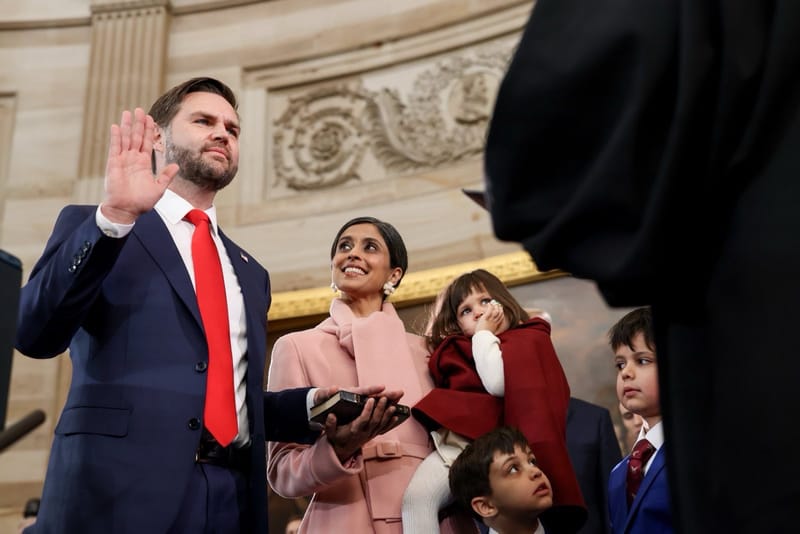
Vance sent letter to Iran's security chief to restart talks, WSJ reports
The Wall Street Journal reports that U.S. Vice President JD Vance wrote to Iran's top security official, with President Donald Trump's backing, to revive stalled negotiations; neither government has commented in the reports reviewed by Vocemundi.
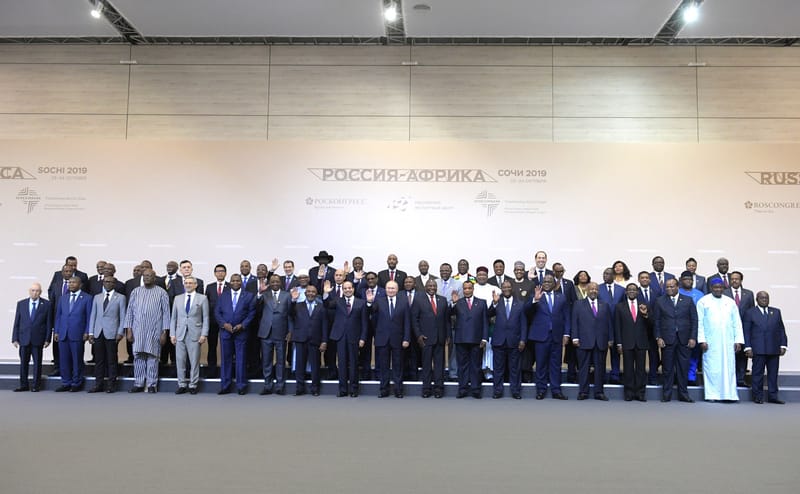
Putin tells Russia-Africa summit Russia is Africa's best partner, criticises Western lending
At the third Russia-Africa Summit in Moscow, Vladimir Putin cast Russia as Africa's best partner and accused Western countries, which he did not name, of exploiting the continent's resources and using debt to hold back its development.

Study estimates about 75% of former NFL players who died 2008–2023 had CTE
A Boston-based research team estimates in JAMA Network Open that about three in four deceased former NFL players from the period had evidence of chronic traumatic encephalopathy, including players whose brains were never examined.
Comments