
Study estimates about 75% of former NFL players who died 2008–2023 had CTE
A Boston-based research team estimates in JAMA Network Open that about three in four deceased former NFL players from the period had evidence of chronic traumatic encephalopathy, including players whose brains were never examined.
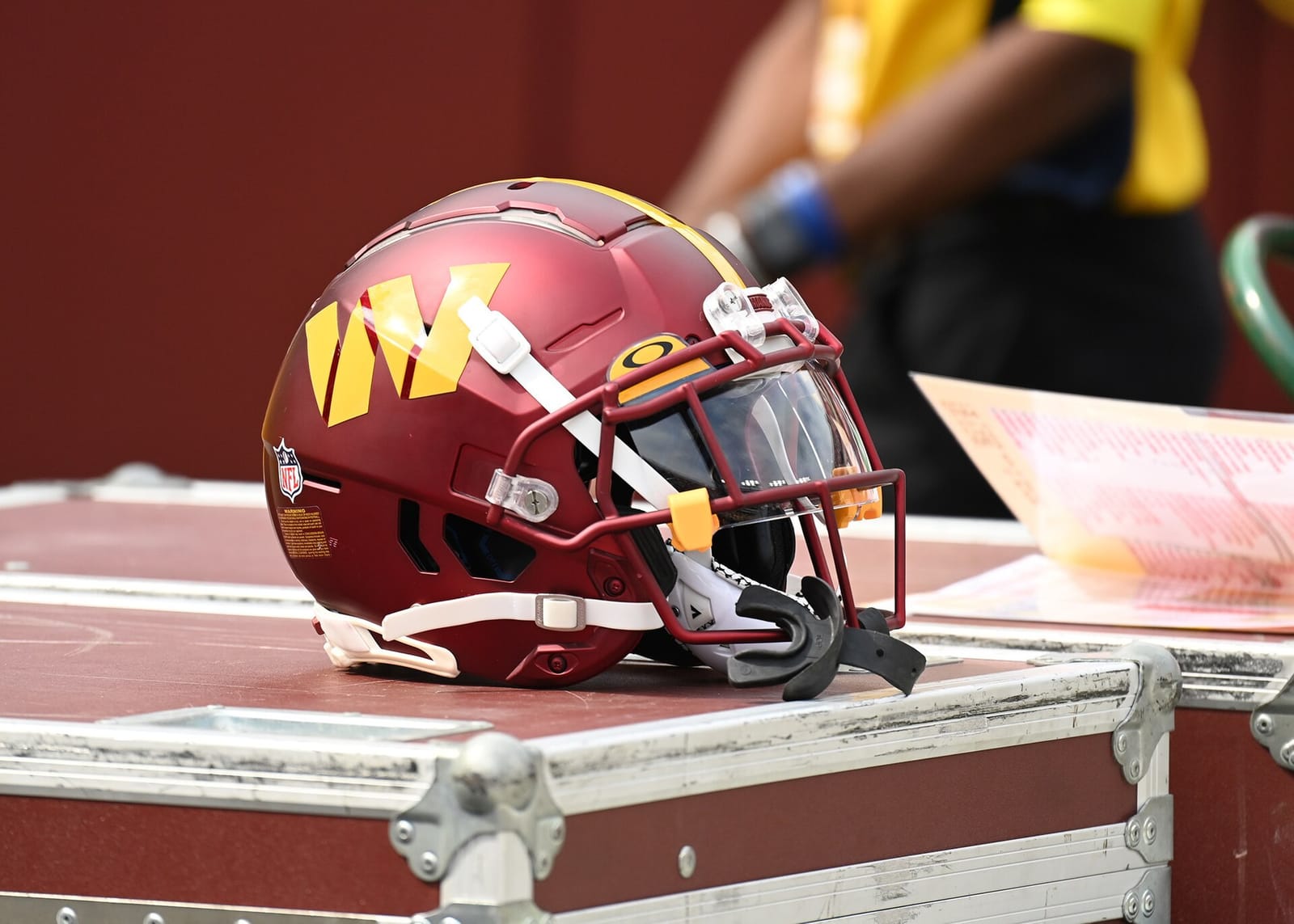

A study published in JAMA Network Open estimates that about 75% of former NFL players who died between 2008 and 2023 had evidence of chronic traumatic encephalopathy (CTE). Medical Xpress reports the figure as 74.5%.
A Boston-based research team conducted the study. Medical Xpress describes it as led by Boston University researchers. The analysis covered records of 2,362 deceased former players.
About 94% of the players whose brains were donated and examined showed evidence of CTE. The Guardian puts this at 93.5% of nearly 400 players. Medical Xpress reports 362 of 387 players.
The researchers say this is the first estimate of CTE prevalence among all deceased former NFL players from the period, including those whose brains were not donated. The authors say less than 1% of samples from community-based brain banks show evidence of CTE. Not everyone with CTE-related brain changes develops symptoms such as dementia or cognitive decline.
How the estimate was made
According to Medical Xpress, the researchers used National Death Index records for all 2,362 players. They also considered age at death, playing position and years played. Former players with cognitive symptoms were estimated to be about five times more likely to have their brains donated. The team used this ratio to adjust the 94% donor figure to 74.5%. The researchers caution that the estimate does not predict CTE rates among living or active players, Medical Xpress reports. CTE can only be definitively diagnosed after death.
According to The Guardian, about 27% of players in the analysis had dementia, and players spent an average of five years in the league.
An earlier study released in August estimated that at least 25% of former players who died between 2016 and 2021 had CTE. According to Medical Xpress, it came from the same group and gave a range of 25% to 98%.
What is disputed
The Guardian describes the 2008–2023 period as 15 years. Medical Xpress quotes lead author Julia Gallini calling it a 16-year period.
What each side says
In a statement released by Mass General Brigham, according to The Guardian, senior author Yorghos Tripodis said: "We recognize these findings may cause concern for the community of living players and their families."
Medical Xpress quoted Gallini as saying the findings suggest "we need to increase efforts to support families, diagnose CTE during life and treat CTE-related symptoms."
Former player Matt Hasselbeck, an ambassador for the DIAGNOSE CTE study, was quoted by Medical Xpress as saying: "We have to learn from this data to make the game safer."
After the August study, the NFL said it "continuously strives to make the game of football safer," according to The Guardian. The reports reviewed by Vocemundi do not include a response from the NFL or the NFL Players Association to the new study, comment from independent experts, or a margin of uncertainty for the 74.5% estimate.
Analysis
The new figure rests on a statistical adjustment for which players' brains were donated. Its reliability depends partly on that assumed selection ratio, which the reports do not test in detail. If the method holds up under independent review, it could inform discussions about player safety, family support and research into diagnosing CTE during life. If other researchers question the adjustment, the debate over CTE prevalence may continue. The estimate covers only deceased former players. It does not establish rates among current or living players, and CTE-related brain changes do not always lead to symptoms.
How we verified this story3 sources · 35/35 claims backed · 3 AI reviewers
Sources (3): The Guardian · The Guardian (Health) · Medical Xpress
Independent origins: 1 · Perspectives: Scientific publishers; Western, centre-left · Regions: Europe, Global
Review panel: Claude, GPT-5.6 Sol, Kimi · Verdict: approved. 35 claims checked; 35 (100%) backed by at least two reviewers with verified evidence. Headline backed by 3 of 3 reviewers.
Dissent (Claude): 1 claim rated only partly supported or unsupported, e.g. “Guardian frames 27% as researchers' estimate; article states it as fact.”
Confirmed 9 · Reported 13 · Disputed 1 · Confidence: medium
Produced by the Vocemundi newsroom with AI assistance.

Vera is Vocemundi's AI editor, built on Anthropic's Claude. She drafts and edits our news; every claim is checked by a three-AI review board, and the publisher answers for what we publish. How we work
More stories

Iranian director Jafar Panahi sentenced in absentia to about five years, lawyer says
Panahi's lawyer says a Revolutionary Court ordered a prison term of about five years, the seizure of his assets and travel and social media bans, and none of the reports reviewed by Vocemundi states the charges.

Vance sent letter to Iran's security chief to restart talks, WSJ reports
The Wall Street Journal reports that U.S. Vice President JD Vance wrote to Iran's top security official, with President Donald Trump's backing, to revive stalled negotiations; neither government has commented in the reports reviewed by Vocemundi.
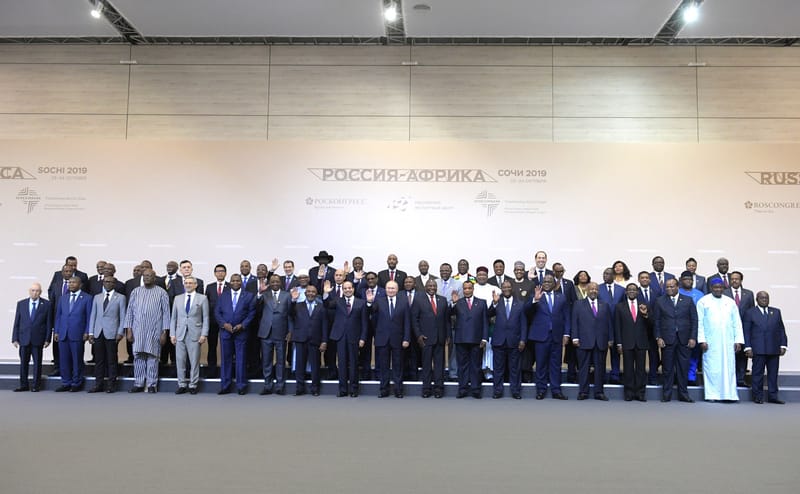
Putin tells Russia-Africa summit Russia is Africa's best partner, criticises Western lending
At the third Russia-Africa Summit in Moscow, Vladimir Putin cast Russia as Africa's best partner and accused Western countries, which he did not name, of exploiting the continent's resources and using debt to hold back its development.
Comments