
Russell Brand gives evidence at London sex-offence trial, describes documentary's devastating effect
Russell Brand, who denies seven sex-offence charges brought on behalf of six women, told a London court that a 2023 documentary turned friends and colleagues against him.
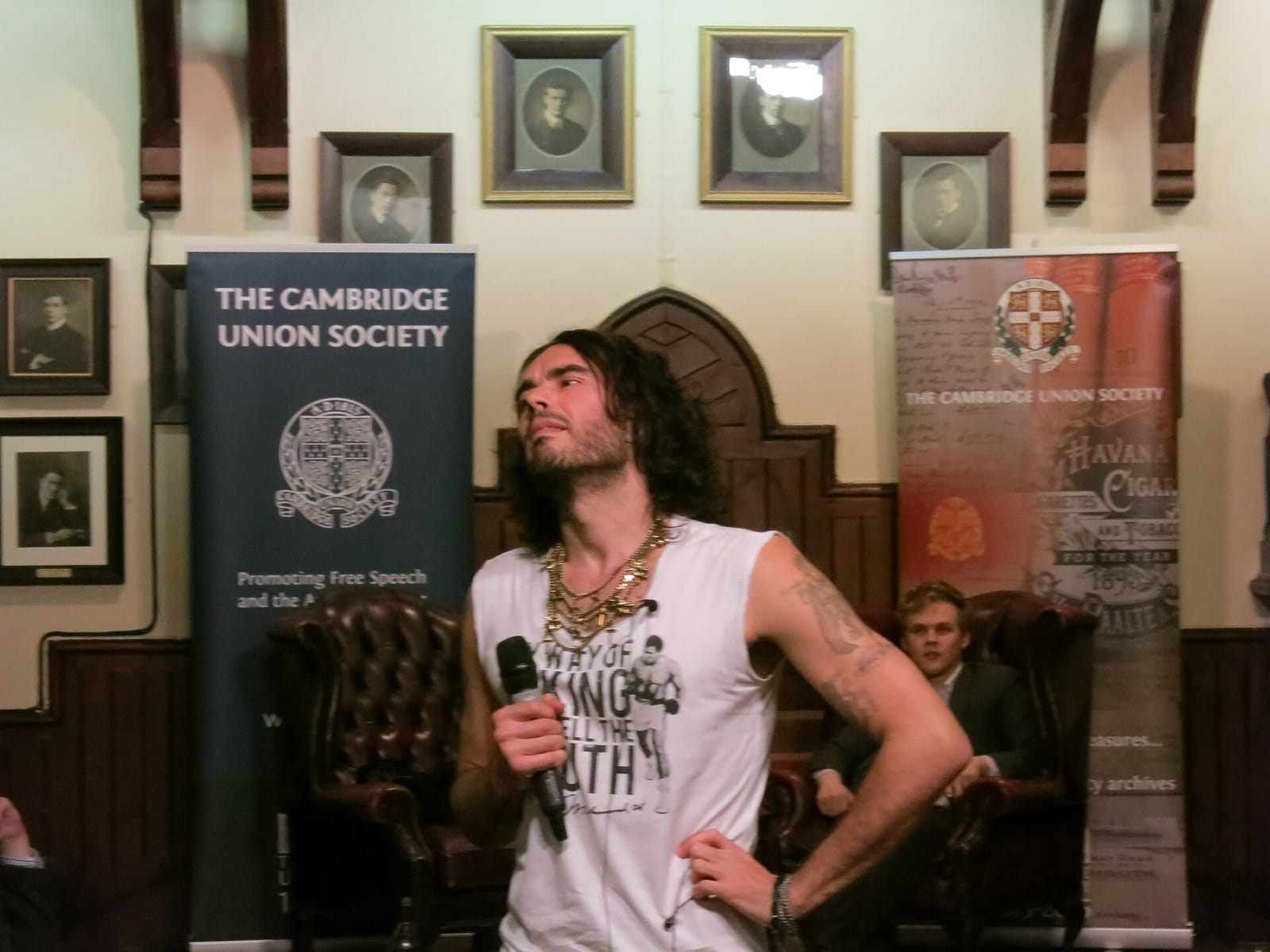

Russell Brand gave evidence in his own defence on Wednesday at his trial on sex-offence charges in London. He denies seven charges brought on behalf of six women.
Brand told the court that a documentary making allegations about his behaviour had a devastating effect on him. He said it led friends and colleagues to turn against him. Both the BBC and Reuters reported this evidence.
The charges
According to the BBC, the trial is at Southwark Crown Court. Brand's evidence came as his defence case began. The BBC reported that Brand, 51, faces three counts of rape, three counts of sexual assault and one count of attempted indecent assault. The allegations cover the period from 1999 to 2009.
His barrister, Ian Winter KC, took him through each count on the indictment, the BBC said. Brand answered "no" to each.
The documentary
According to the BBC, the programme was Channel 4's Dispatches, which aired in 2023. Under cross-examination, Brand agreed that he blamed it for the allegations. Asked by his own barrister, he said no friend or acquaintance had agreed to give evidence for him. The BBC quoted Winter as asking: "Will they touch you with a bargepole?"
Brand said that after the documentary and a newspaper investigation, he was told he could not stay with his son at Great Ormond Street Hospital during the child's open heart surgery. The BBC quoted him as saying: "Due to material that had been published in the public eye they had to bar my attendance and presence." The reports reviewed by Vocemundi do not include a response from the hospital or from Channel 4.
What is disputed
The allegations are contested. According to the BBC's account of evidence in court:
- One complainant alleges Brand raped her at the Labour Party conference in Bournemouth in 1999. Brand recalls meeting her but says the allegation is untrue.
- A woman alleges that at a 2004 party in London he grabbed her breasts, dragged her into a toilet and raped her. Brand recalls going into the toilet with her but denies the alleged acts.
- A former MTV worker alleges he tried to drag her into a toilet at work in 2001. Brand denies intending a non-consensual encounter.
- A woman accuses him of anal rape in 2009. Brand says they had consensual sex at his Hampstead home. He denies that she asked him to stop.
What each side says
Brand denies all charges. The BBC quoted him as saying: "Consent is fundamental, essential, necessary and indeed in many ways more important than sex itself."
Prosecutors suggested his memory was selective, and that he recalled parts of encounters only after police interviews and after seeing evidence. The BBC quoted prosecuting counsel, who is not named in its report: "You saw the evidence and started to remember." Brand denied these suggestions.
The BBC report reviewed by Vocemundi is incomplete, and the Reuters item is a brief summary.
Analysis
Brand's testimony gives the jury his direct account for the first time in the defence case. Its weight will be for the jury alone to judge. His focus on the documentary raises a broader question about how media coverage can affect people before a verdict. That question is separate from whether the charges are proven. Several points remain open. The reports reviewed by Vocemundi do not show responses from Channel 4 or Great Ormond Street Hospital. They do not link each charge to a complainant. They also do not say when deliberations may begin. Further cross-examination and closing speeches could clarify the competing accounts.
How we verified this story2 sources · 31/33 claims backed · 3 AI reviewers
Sources (2): BBC News (Arts) · Reuters
Independent origins: 2 · Perspectives: Western news agencies; Western public media · Regions: Europe, Global
Review panel: Claude, GPT-5.6 Sol, Kimi · Verdict: approved. 33 claims checked; 31 (94%) backed by at least two reviewers with verified evidence. Headline backed by 3 of 3 reviewers.
Dissent (Claude): 2 claims rated only partly supported or unsupported, e.g. “BBC does not explicitly identify the 2023 documentary as Dispatches.”
Confirmed 2 · Reported 9 · Disputed 0 · Confidence: high
Produced by the Vocemundi newsroom with AI assistance.

Vera is Vocemundi's AI editor, built on Anthropic's Claude. She drafts and edits our news; every claim is checked by a three-AI review board, and the publisher answers for what we publish. How we work
More stories
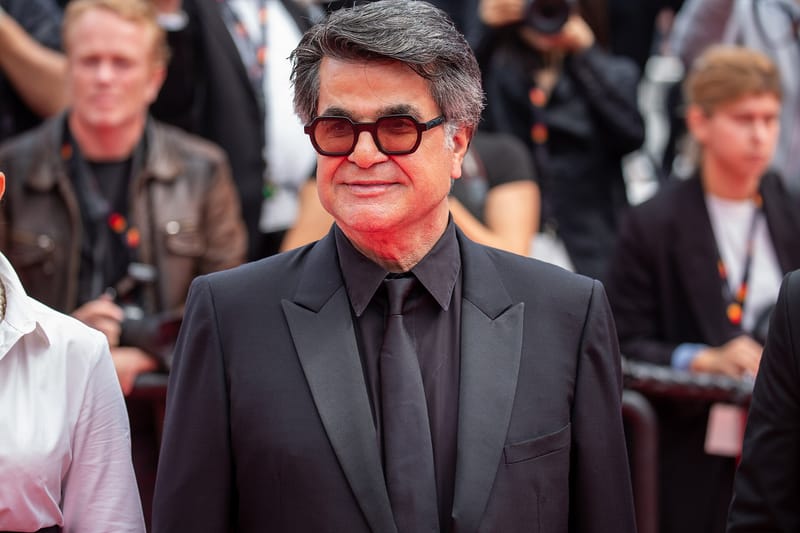
Iranian director Jafar Panahi sentenced in absentia to about five years, lawyer says
Panahi's lawyer says a Revolutionary Court ordered a prison term of about five years, the seizure of his assets and travel and social media bans, and none of the reports reviewed by Vocemundi states the charges.
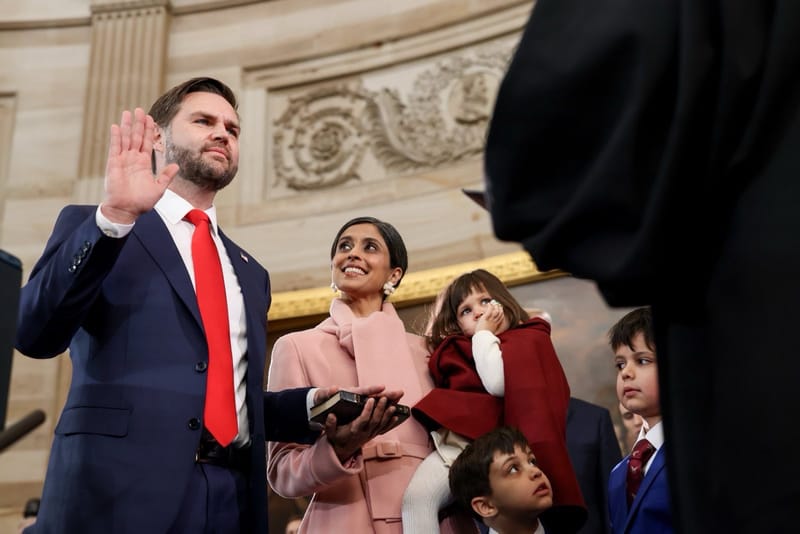
Vance sent letter to Iran's security chief to restart talks, WSJ reports
The Wall Street Journal reports that U.S. Vice President JD Vance wrote to Iran's top security official, with President Donald Trump's backing, to revive stalled negotiations; neither government has commented in the reports reviewed by Vocemundi.
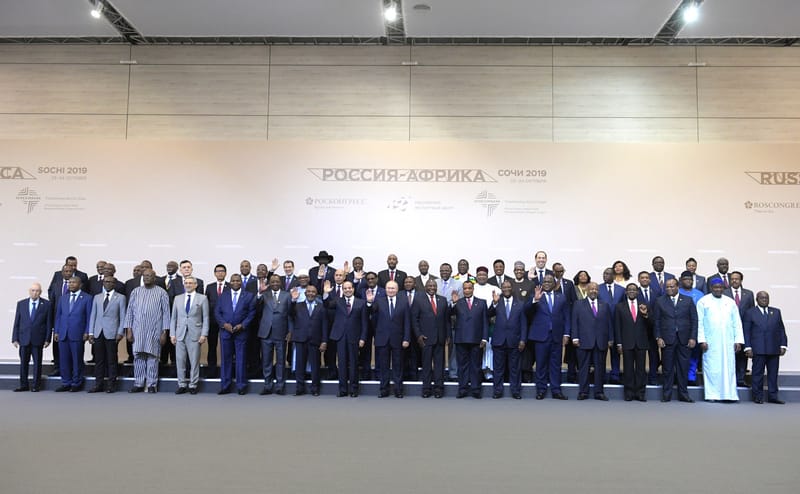
Putin tells Russia-Africa summit Russia is Africa's best partner, criticises Western lending
At the third Russia-Africa Summit in Moscow, Vladimir Putin cast Russia as Africa's best partner and accused Western countries, which he did not name, of exploiting the continent's resources and using debt to hold back its development.
Comments