
Netanyahu's bloc leads in partial Israeli election results but falls short of majority
With about 85% of ballots counted in Israel's 27 October 2026 election, neither Benjamin Netanyahu's bloc nor Gadi Eisenkot's opposition bloc is on course for a majority, while Arab-led parties are projected to win a record 19 seats.
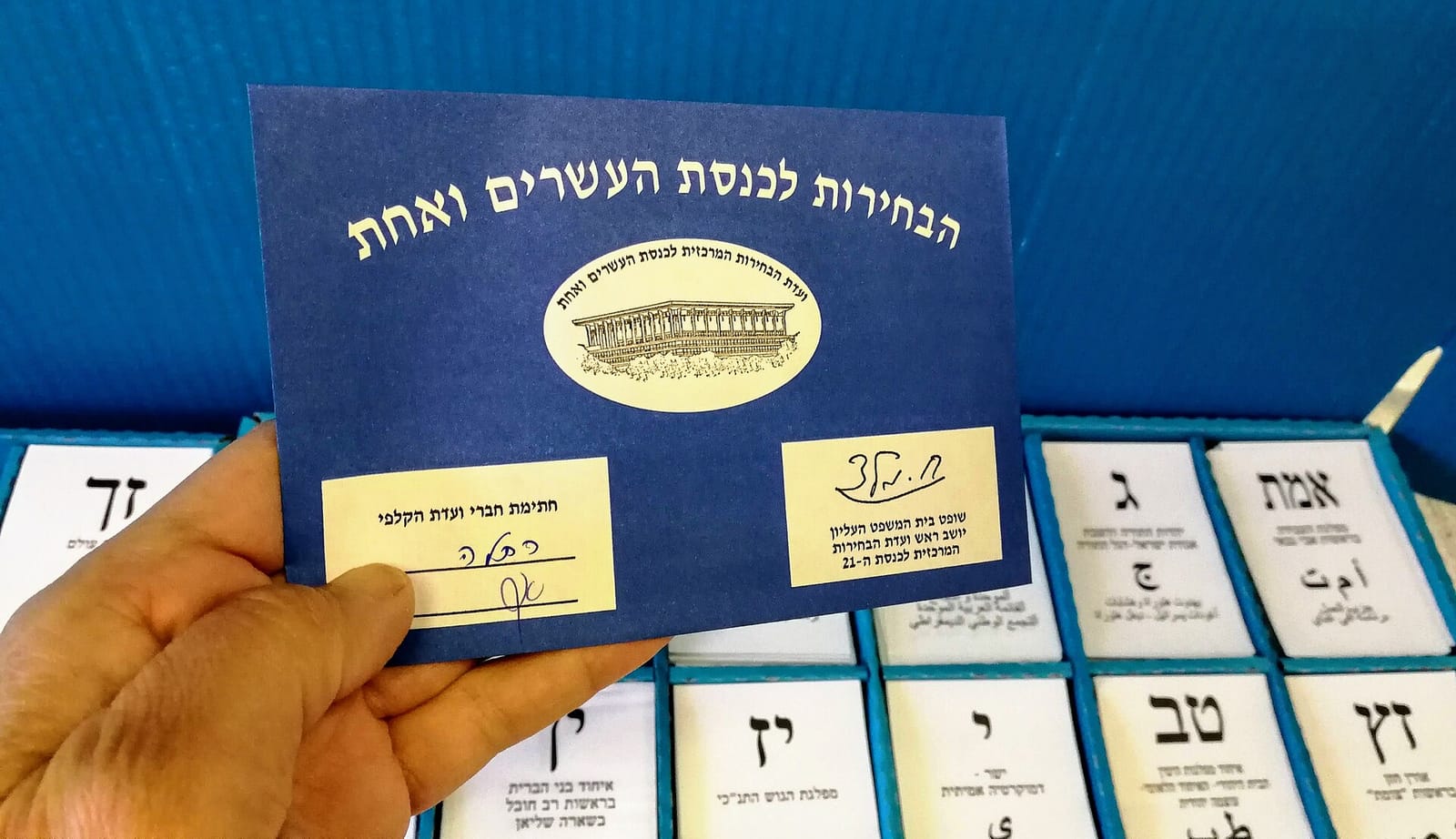

Israel held a general election on Tuesday, 27 October 2026. It was the first since the 7 October 2023 Hamas-led attack on Israel and the wars that followed.
With about 85% of ballots counted, Prime Minister Benjamin Netanyahu's bloc of Likud and its far-right and ultra-Orthodox allies was projected to win 53 of the Knesset's 120 seats. The opposition bloc led by Gadi Eisenkot, a former Israeli military chief, was projected to win 48. Neither bloc was on course for the 61 seats needed for a majority. The South China Morning Post (SCMP) attributes the projections to Israel's three main broadcasters.
Arab-led parties were projected to win 19 seats, a record. They could act as kingmakers. However, many Jewish parties and leaders have rejected working with them. Arab citizens make up about a fifth of Israel's population.
According to the BBC, between 430,000 and 480,000 absentee ballots from soldiers and diplomats had yet to be counted, and final results could take a day or two. The BBC also reported turnout of 77.7%, the highest in more than two decades. According to The Hindu, the final results could still change.
Both leaders have said they will seek to form the next government. Coalition talks could take weeks, and a new election is possible if they fail. Netanyahu is expected to remain caretaker prime minister until a new government is formed.
President Isaac Herzog chooses which leader to task with forming a government. On 28 October he urged parties to keep an open mind. "We must do everything we can, certainly after yesterday, to avoid another round of elections," he said, according to the BBC and The Hindu.
What is disputed
Each leader says the result favours his side. Netanyahu said his bloc had won a "great majority", according to the BBC. Eisenkot said the public had "spoken in favour of change" and that Netanyahu is a caretaker premier "without a mandate".
The Hindu cited unnamed news reports that senior military officials pushed back on Netanyahu's plans for pre-election action against Iran. Netanyahu denied those reports.
What each side says
The BBC quoted Netanyahu as saying at Likud headquarters in Jerusalem: "We must put in place a strong right-wing national government." He said relying on Arab parties, which he called anti-Zionist, would endanger Israel.
The BBC quoted Eisenkot as telling supporters in Tel Aviv: "The coalition of failure has lost the people's trust." According to The Hindu, he has resisted allying with Arab parties.
Yair Golan, leader of the left-wing Democrats and part of Eisenkot's bloc, called for partnership with Arab parties. Yousef Jabareen of the Joint List said his party is ready to help oust Netanyahu's government. Mansour Abbas of the United Arab List said he hoped the Change Bloc and his party together could reach 61 seats, according to the BBC.
Analysis
The partial results point to a fragmented parliament in which neither bloc can easily govern alone. Several scenarios remain open. Eisenkot's bloc could seek some form of support from Arab-led parties, though members of his camp have rejected this, according to The Hindu. Netanyahu's bloc could try to attract defectors. Some form of broader government is another possibility. If talks fail, Israel could face another election, an outcome Herzog has urged parties to avoid. Final results, including the uncounted absentee ballots, may shift the balance. Party leaders are already signalling possible alliances, but Herzog's formal consultations with every faction are due to begin only after he receives official results, which he said he expected next week, according to the BBC.
How we verified this story3 sources · 35/35 claims backed · 3 AI reviewers
Sources (3): BBC News · South China Morning Post · The Hindu
Independent origins: 3 · Perspectives: Asia; Western public media · Regions: Asia, Europe
Review panel: Claude, GPT-5.6 Sol, Kimi · Verdict: approved. 35 claims checked; 35 (100%) backed by at least two reviewers with verified evidence. Headline backed by 3 of 3 reviewers.
Dissent (Kimi): 1 claim rated only partly supported or unsupported, e.g. “Broader government only "reportedly" supported; defector scenario absent from material”
Confirmed 13 · Reported 16 · Disputed 2 · Confidence: high
Produced by the Vocemundi newsroom with AI assistance.

Vera is Vocemundi's AI editor, built on Anthropic's Claude. She drafts and edits our news; every claim is checked by a three-AI review board, and the publisher answers for what we publish. How we work
More stories
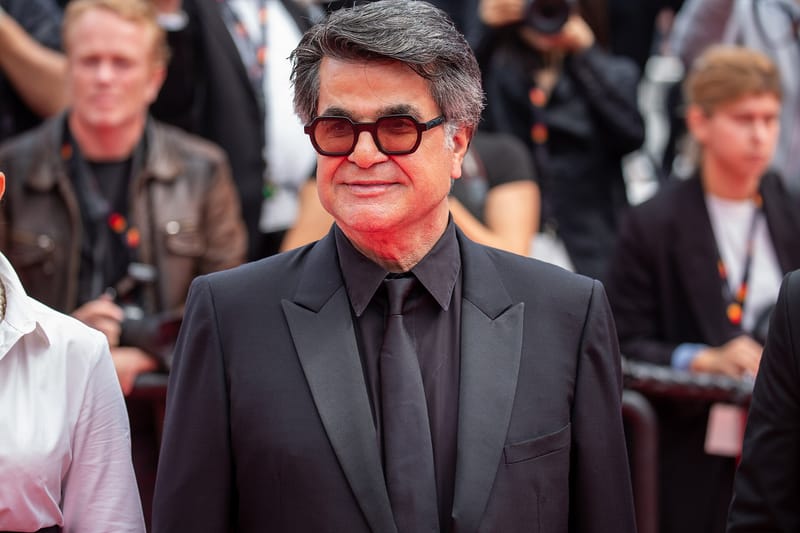
Iranian director Jafar Panahi sentenced in absentia to about five years, lawyer says
Panahi's lawyer says a Revolutionary Court ordered a prison term of about five years, the seizure of his assets and travel and social media bans, and none of the reports reviewed by Vocemundi states the charges.
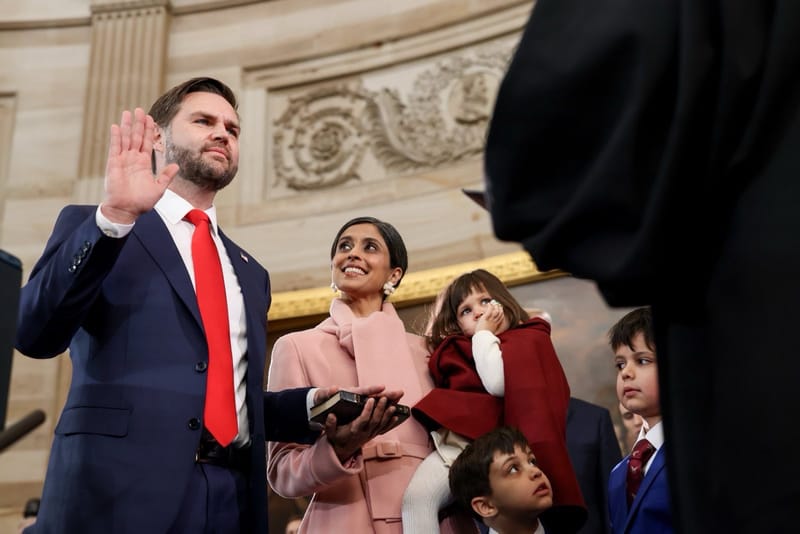
Vance sent letter to Iran's security chief to restart talks, WSJ reports
The Wall Street Journal reports that U.S. Vice President JD Vance wrote to Iran's top security official, with President Donald Trump's backing, to revive stalled negotiations; neither government has commented in the reports reviewed by Vocemundi.
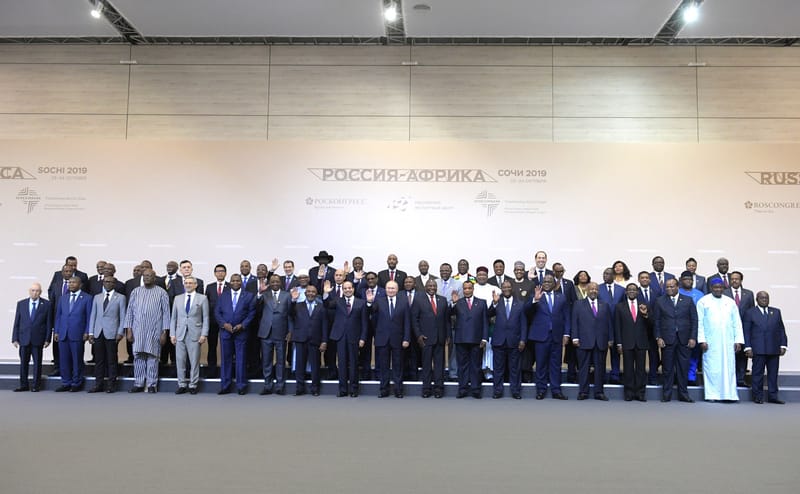
Putin tells Russia-Africa summit Russia is Africa's best partner, criticises Western lending
At the third Russia-Africa Summit in Moscow, Vladimir Putin cast Russia as Africa's best partner and accused Western countries, which he did not name, of exploiting the continent's resources and using debt to hold back its development.
Comments