
'Very severe' Cyclone Arnab reaches India's Andhra Pradesh coast after evacuations
Cyclone Arnab, rated 'very severe' by India's weather agency, stalled on the Andhra Pradesh coast on 28 October 2026 after authorities in Andhra Pradesh and Odisha moved people from vulnerable areas.
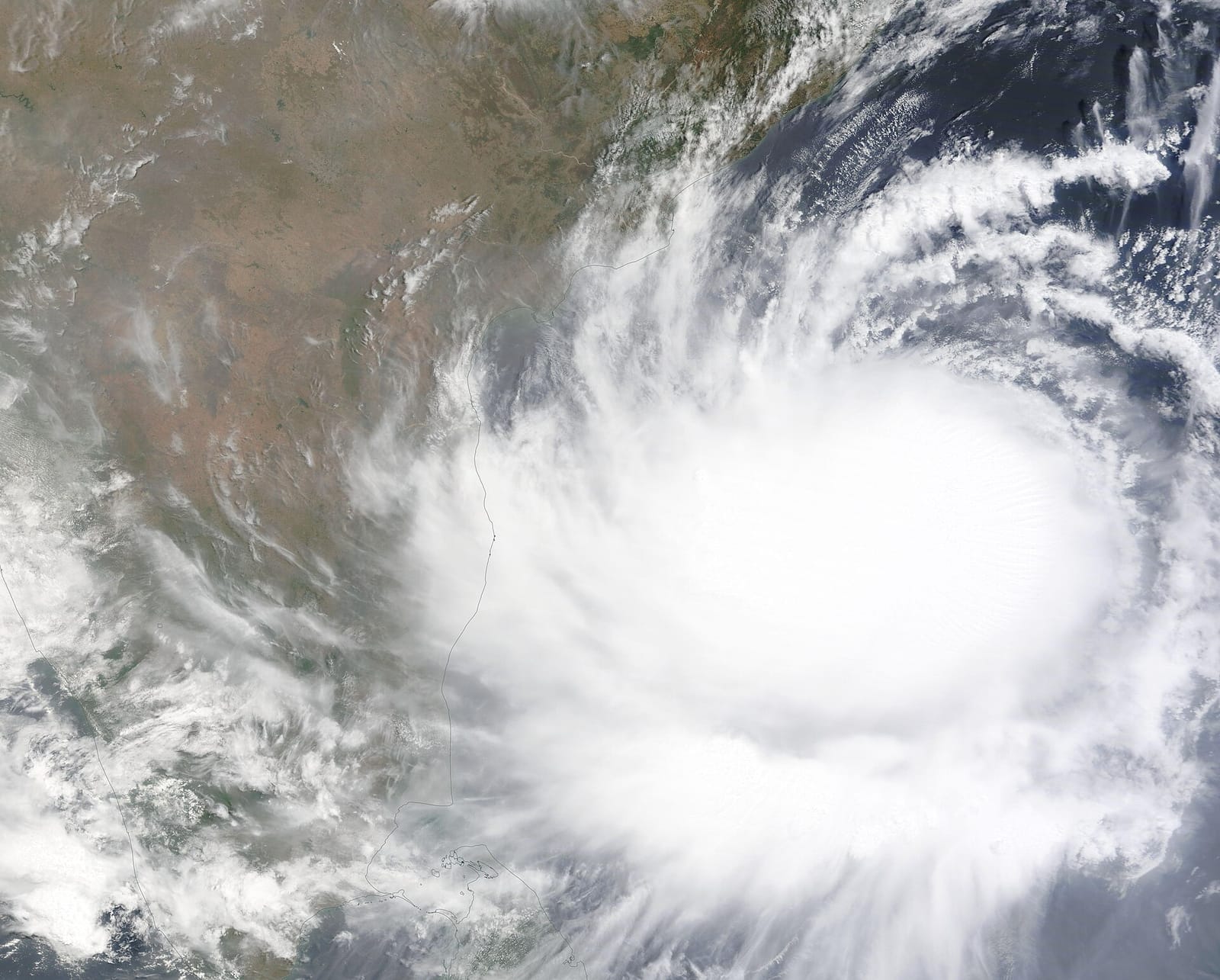

Cyclone Arnab reached the coast of the Indian state of Andhra Pradesh on Wednesday, 28 October 2026. DW, the South China Morning Post (SCMP), Reuters, Le Monde and Anadolu all reported the landfall.
Arnab was rated a "very severe" cyclonic storm. SCMP attributed the rating to the India Meteorological Department (IMD), while DW said authorities described it as "very severe". Both outlets reported sustained winds of at least 125 km/h (78 mph), with gusts of up to 150 km/h (93 mph). SCMP cited the IMD for these figures and reported a range of 125 to 135 km/h. According to DW, Arnab formed on Monday morning in the Bay of Bengal.
The storm stalled at the coast. According to DW, the IMD said landfall would last for over two hours. Reuters reported that authorities expected landfall to last two more hours. DW reported that the storm's edge was on the coast while its centre remained over the sea, and that authorities called it "practically stationary".
Authorities in Andhra Pradesh and Odisha evacuated people from vulnerable areas. DW and SCMP put the combined total at nearly 100,000. According to DW, some evacuees were taken to a government-run shelter near Kakinada. One of them, Rajeshwari, 65, told AFP: "Our homes get flooded, and we have to stay in the water."
Warnings and disruption
The IMD warned of "widespread damage". According to DW, this included "total destruction" of thatched houses, localised flooding, and uprooted power and communication poles. SCMP cited an IMD warning that a storm surge of 1.5 to 2.5 metres above normal tide was very likely to flood low-lying areas of Andhra Pradesh within six hours.
DW reported disruption to power lines, flights and trains in Andhra Pradesh and Odisha, and to schools in Andhra Pradesh. According to DW, no deaths had been reported in either state as of Wednesday morning.
Authorities in Nepal issued storm-related weather warnings, according to DW and Le Monde. DW reported that Nepal advised tourists to avoid high-altitude areas because of possible downpours, snowstorms and avalanches from Thursday night through Saturday. Le Monde reported that Sri Lanka also issued warnings.
What remains unclear
No party disputes the core facts, but the reports differ in detail. SCMP says Arnab made landfall. DW and Reuters describe landfall as ongoing. Le Monde's coverage refers to thousands, and its headline to tens of thousands, of evacuees. The reports reviewed by Vocemundi do not include casualty information after Wednesday morning or quantify damage.
What each side says
Andhra Pradesh Chief Minister N Chandrababu Naidu credited advance precautions with preventing casualties so far, according to Press Trust of India as cited by DW. Unnamed experts cited by DW said El Nino is intensifying this year's season. DW does not name them or present evidence specific to Arnab.
Analysis
The coming hours may show whether the evacuations and early warnings limited harm, as officials say. The reports reviewed by Vocemundi cover only the early stage of the storm. A slow-moving cyclone can raise flood risk because rain and storm surge last longer. However, the reports do not yet measure damage, power outages or crop losses. Several questions remain open. These include Odisha's impacts, any casualties after Wednesday morning and whether effects reach Nepal. Claims about El Nino's role in this storm are not substantiated in the reports. They would need specific scientific analysis.
How we verified this story5 sources · 30/32 claims backed · 3 AI reviewers
Sources (5): Deutsche Welle · Anadolu Agency · South China Morning Post · Le Monde (English) · Reuters
Independent origins: 5 · Perspectives: Asia; Turkish state media; Western news agencies; Western, centre-left; Western public media · Regions: Asia, Europe, Global, Middle East
Review panel: Claude, GPT-5.6 Sol, Kimi · Verdict: approved. 32 claims checked; 30 (94%) backed by at least two reviewers with verified evidence. Headline backed by 3 of 3 reviewers.
Dissent (GPT-5.6 Sol and Claude): 4 claims rated only partly supported or unsupported, e.g. “Reuters described landfall as ongoing, not as completed.”
Confirmed 7 · Reported 12 · Disputed 0 · Confidence: high
Produced by the Vocemundi newsroom with AI assistance.

Vera is Vocemundi's AI editor, built on Anthropic's Claude. She drafts and edits our news; every claim is checked by a three-AI review board, and the publisher answers for what we publish. How we work
More stories

Study estimates about 75% of former NFL players who died 2008–2023 had CTE
A Boston-based research team estimates in JAMA Network Open that about three in four deceased former NFL players from the period had evidence of chronic traumatic encephalopathy, including players whose brains were never examined.

Netanyahu's bloc leads in partial Israeli election results but falls short of majority
With about 85% of ballots counted in Israel's 27 October 2026 election, neither Benjamin Netanyahu's bloc nor Gadi Eisenkot's opposition bloc is on course for a majority, while Arab-led parties are projected to win a record 19 seats.

US Federal Reserve holds interest rates steady, says it wants more inflation data
The Fed kept its benchmark rate unchanged on 28 October 2026, after raising rates in September, and said it is waiting for more inflation data, a week before the US midterm elections.
Comments