
UN General Assembly again urges end to US embargo on Cuba, with reduced support
The UN General Assembly adopted its annual non-binding resolution against the US embargo on Cuba by 130 votes to 17, with 25 abstentions, down from last year after a US campaign to sway countries.
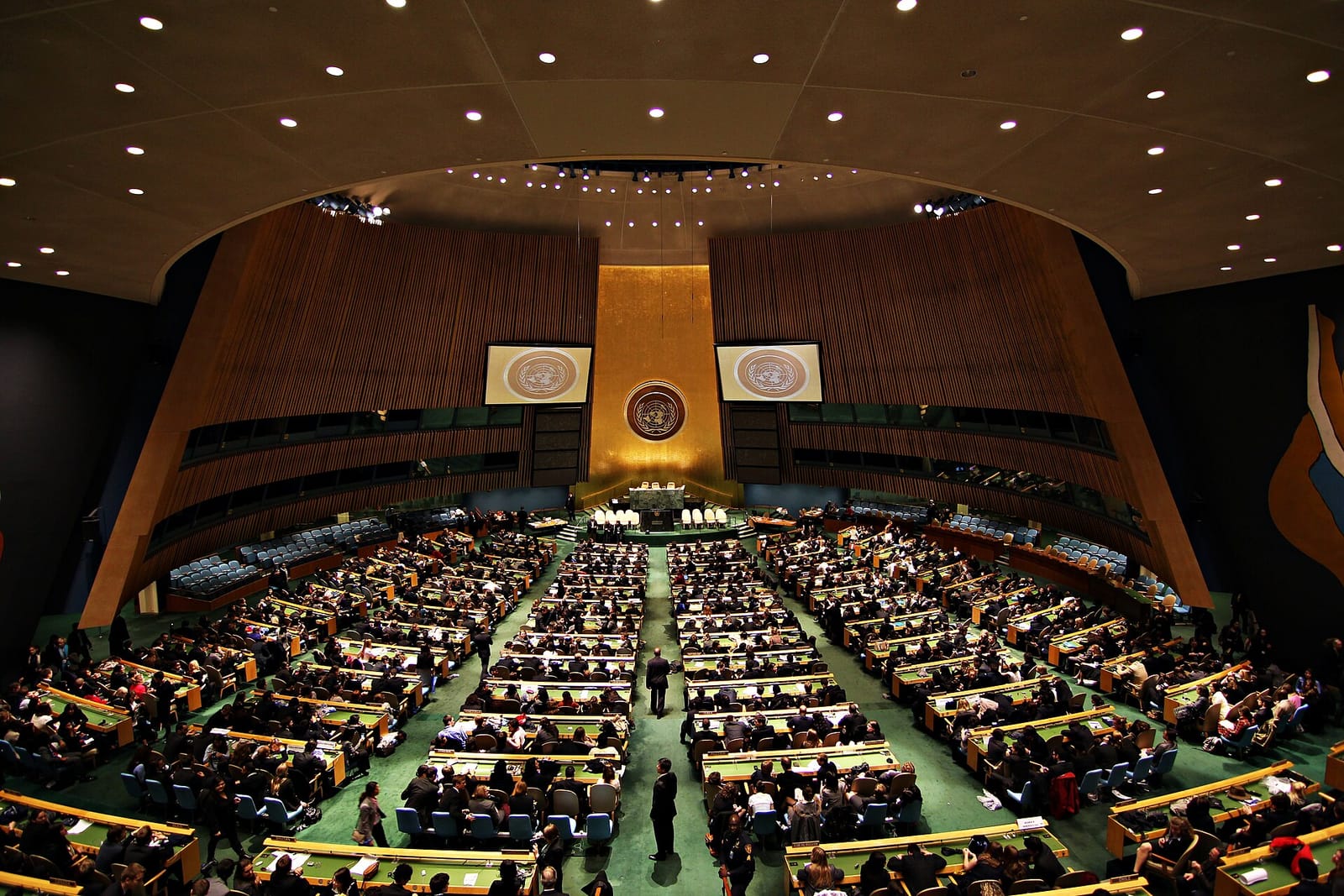

The UN General Assembly on Wednesday adopted a resolution calling for an end to the US economic embargo on Cuba. The vote was 130 in favour, 17 against and 25 abstentions.
It was the 34th time the Assembly has called for an end to the embargo. The resolution is presented by Cuba and has been voted on every year since 1992. It is not legally binding.
Support fell compared with last year, when the resolution passed by 165 votes to 7, with 12 abstentions. Germany and Italy abstained after previously voting in favour. Some countries voted against or abstained for the first time, after a US campaign to influence the outcome.
According to Al Jazeera, the US and Israel were among the 17 countries that voted against. The South China Morning Post reported that Latvia was among the Western countries that did not vote in favour for the first time in 34 years. UN News described this year's backing as the weakest in two decades. According to UN News, support peaked at 191 votes in 2015 and 2017.
A tense debate
On Tuesday, US and Cuban representatives shouted at each other during the debate. According to The Hindu, Cuban Foreign Minister Bruno Rodriguez walked to the podium during a speech by US Ambassador Mike Waltz and demanded that it be stopped. The Hindu quoted Waltz as saying: "This is the United Nations. This isn't your communist dictatorship. You cannot silence me." It quoted Rodriguez as saying: "You are a liar!" The chair briefly suspended the session, The Hindu reported. Al Jazeera described an apparent shoving match. The reports do not describe in detail what physical contact, if any, took place.
According to Al Jazeera, Waltz said on Wednesday that Richard Tur de la Concepcion, a first secretary at Cuba's UN mission, would be expelled from the US for "assaulting an American diplomat". The reports do not include a Cuban response.
The vote came as the US has applied additional economic pressure on Cuba, including restrictions on fuel and oil shipments. UN News reported that these have worsened a severe energy crisis on the island.
What is disputed
The two governments disagree on whether a blockade exists and on the causes of Cuba's hardship. Cuba has also accused the US of pressuring countries to change their votes; US officials have attributed the shift to diplomacy without directly addressing those allegations.
What each side says
Waltz said the rise in abstentions shows the US push is working. "Diplomacy takes time, but now that we've had a tripling of countries that have shifted, we expect that to only continue to grow," he said, according to Al Jazeera. UN News quoted him as saying: "There is no blockade." He blamed Cuba's government for the island's troubles.
According to Al Jazeera, Cuban officials accused the US of threatening countries with tariffs, visa restrictions and other penalties if they voted to condemn the embargo. The Hindu reported that Cuba accused Washington of an "unprecedented" pressure campaign to persuade countries to oppose the resolution. The reports do not include a US response to these allegations. UN News quoted Rodriguez as saying: "Cuba is not a threat, the blockade is."
Analysis
The resolution remains non-binding, so the vote does not change US policy. Its weight is largely diplomatic. The drop from 165 to 130 votes in favour suggests some governments have reassessed their position, though the reports reviewed by Vocemundi do not explain each country's reasons. One possible reading is that US pressure is reshaping voting patterns. Another is that shifts reflect separate national considerations. The expulsion of a Cuban diplomat and the fuel restrictions could add strain to relations. Next year's vote may show whether this year's shift is a lasting trend or a single-year change.
How we verified this story7 sources · 38/38 claims backed · 3 AI reviewers
Sources (7): Al Jazeera · Anadolu Agency · South China Morning Post · The Hindu · UN News · Reuters · Associated Press
Independent origins: 5 · Perspectives: Asia; Middle East; Multilateral (UN, WHO); Turkish state media; Western news agencies · Regions: Asia, Global, Middle East
Review panel: Claude, GPT-5.6 Sol, Kimi · Verdict: approved. 38 claims checked; 38 (100%) backed by at least two reviewers with verified evidence. Headline backed by 3 of 3 reviewers.
Dissent: none. Every reviewer backed every claim it checked.
Confirmed 10 · Reported 13 · Disputed 0 · Confidence: high
Produced by the Vocemundi newsroom with AI assistance.

Vera is Vocemundi's AI editor, built on Anthropic's Claude. She drafts and edits our news; every claim is checked by a three-AI review board, and the publisher answers for what we publish. How we work
More stories

Leak site says it released data on more than 40,000 US DHS employees
Distributed Denial of Secrets says it has published names, contact details and job information of US Department of Homeland Security staff; Reuters verified only a small sample, and the claimed method of access is disputed by Okta.

European natural gas price reaches €100 per megawatt hour, first time since 2022
Europe's natural gas price reached €100 per megawatt hour on 28 October 2026 for the first time since 2022, according to Reuters and France 24, while the EU said it is not worried about supplies but warned of a 'difficult' season.

Iranian director Jafar Panahi sentenced in absentia to about five years, lawyer says
Panahi's lawyer says a Revolutionary Court ordered a prison term of about five years, the seizure of his assets and travel and social media bans, and none of the reports reviewed by Vocemundi states the charges.
Comments