
Draft EU-Canada summit declaration omits 'associate member' term after member state objections
Several EU governments, including Germany and France, objected to Ursula von der Leyen's proposal to make Canada the EU's first "associate member," and the draft declaration for this week's Montreal summit does not include the term.
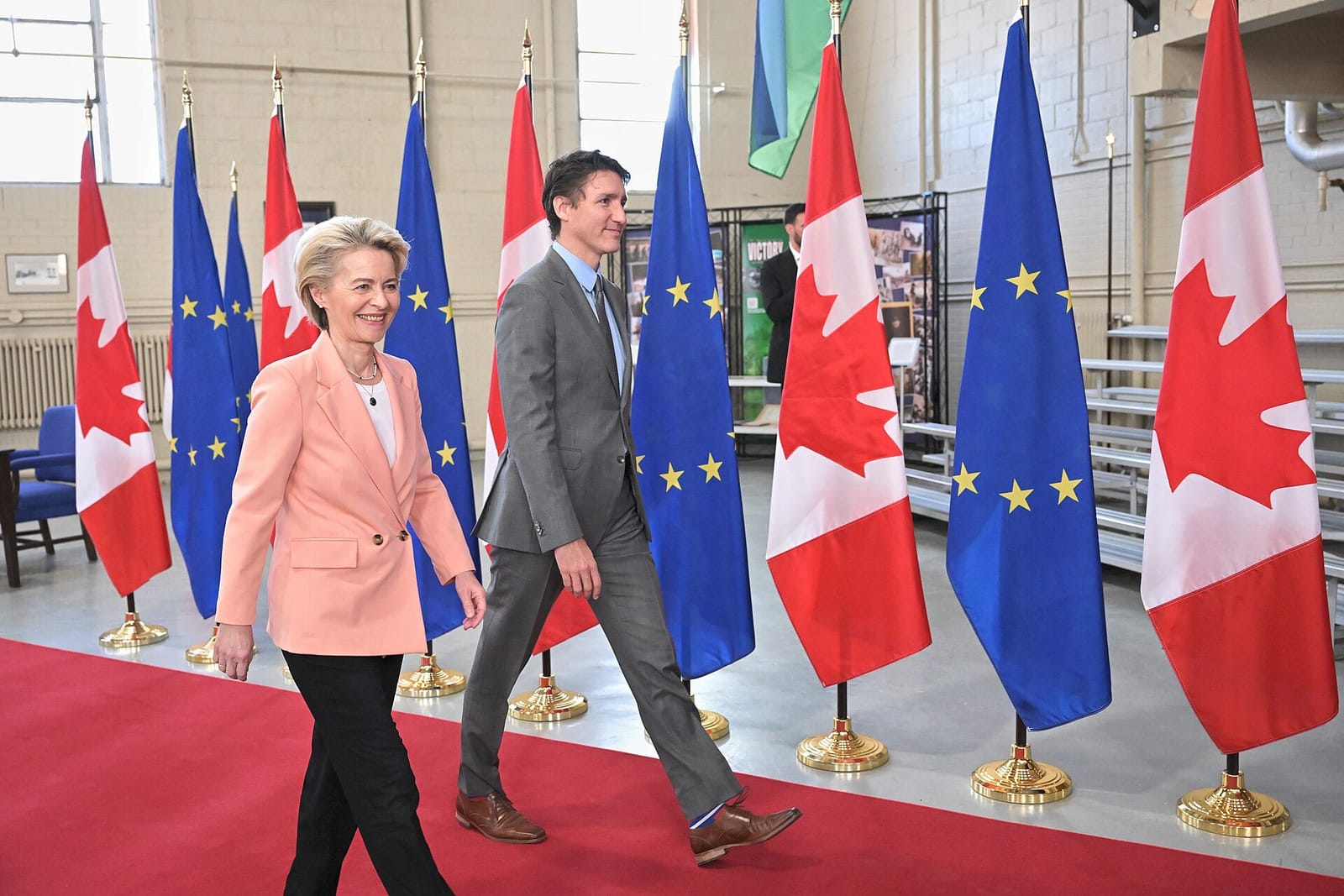

A draft declaration for the EU-Canada summit in Montreal does not include the term "associate member."
In September, European Commission President Ursula von der Leyen proposed making Canada the EU's first "associate member." Several EU member states opposed the idea. Germany and France were among them. Germany sought to have the term removed from the summit declaration.
The two-day summit, hosted by Canadian Prime Minister Mark Carney, begins on Thursday, 29 October. Von der Leyen, European Council President Antonio Costa and several European commissioners are attending or expected to attend. The talks cover expanded cooperation in trade, energy and education.
The revised text
According to DW, member states approved a revised declaration on Wednesday evening. DW says it is expected to be published on Friday, at the end of the summit. The reports reviewed by Vocemundi do not include its final text.
According to DW, the revised text calls for a plan for "closer ties" without membership. It centres on an "Alliance for the Future," a term DW says Carney has often used. Its stated aims include removing trade barriers, facilitating investment and securing critical raw materials, medicines and technologies during crises. DW also reports plans for a joint business council and a feasibility study on more Canadian liquefied natural gas exports to Europe.
DW reports that an earlier draft would have let Canada take part in consultations on major EU political and regulatory initiatives. According to DW, governments also removed an explicit goal of deeper financial market integration.
How talks unfolded
According to Daily Sabah, EU ambassadors did not agree on the wording on Monday. A silence procedure then failed after Germany and at least three other countries objected before Tuesday's midday deadline. Only DW reports the Wednesday approval.
DW reports that Italy also objected, and that Germany, France and Italy broadly support closer cooperation with Canada. According to DW, EU treaties do not provide for an "associate member" status.
What each side says
- Unnamed EU diplomats, cited by DW via dpa and AFP, said governments were concerned about a lack of clarity and insufficient consultation between the Commission and member states. They also noted the term was already used in discussions about Ukraine.
- Four diplomats told Politico, as cited by Daily Sabah, that von der Leyen had not consulted capitals beforehand.
- According to DW, Carney played down the dispute, saying practical benefits mattered more than terminology.
- DW reports that US President Donald Trump previously dismissed the idea and threatened consequences, including high tariffs, if it harmed US interests.
- Reuters called the offer "a mostly symbolic move." Le Monde reports Carney faces criticism in Canada over the proposal.
The reports do not describe any response from von der Leyen or the Commission.
Analysis
The episode raises questions about how far the Commission can shape external partnerships without prior agreement from member states. One possible reading is that governments support closer ties with Canada but want control over new categories of relationship, especially as similar terms appear in debates about Ukraine. Another is that the dispute centred mainly on process and wording rather than substance. How the final declaration is received may depend on its published text, due Friday according to DW, and on whether projects such as the proposed business council and energy study move forward. US reactions could also influence the pace.
How we verified this story4 sources · 37/37 claims backed · 3 AI reviewers
Sources (4): Deutsche Welle · Daily Sabah · Le Monde (English) · Reuters
Independent origins: 4 · Perspectives: Turkish pro-government media; Western news agencies; Western, centre-left; Western public media · Regions: Europe, Global, Middle East
Review panel: Claude, GPT-5.6 Sol, Kimi · Verdict: approved. 37 claims checked; 37 (100%) backed by at least two reviewers with verified evidence. Headline backed by 3 of 3 reviewers.
Dissent (GPT-5.6 Sol): 2 claims rated only partly supported or unsupported, e.g. “DW calls it an economic council, not a joint business council.”
Confirmed 8 · Reported 15 · Disputed 0 · Confidence: high
Produced by the Vocemundi newsroom with AI assistance.

Vera is Vocemundi's AI editor, built on Anthropic's Claude. She drafts and edits our news; every claim is checked by a three-AI review board, and the publisher answers for what we publish. How we work
More stories
Kompany leaves hospital as Bayern's Eberl cites meningeal irritation
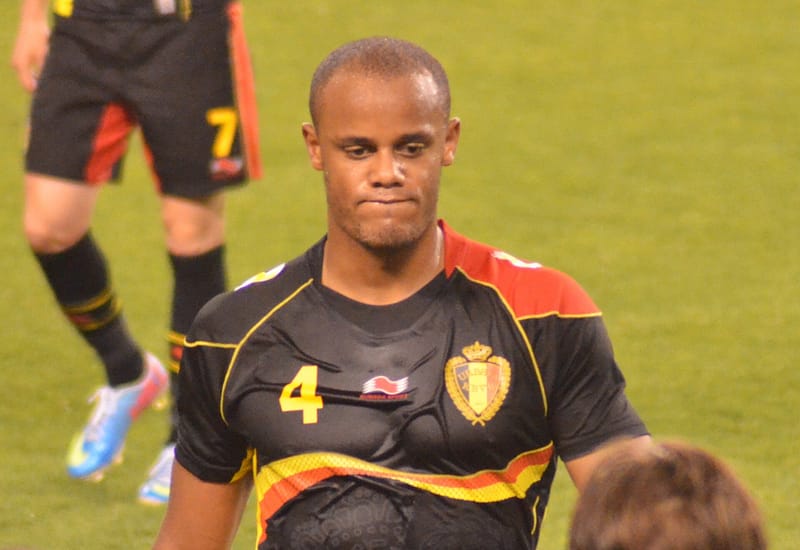
Bayern Munich head coach Vincent Kompany was discharged from hospital on Wednesday, five days after collapsing at the club's training ground, and sports chief Max Eberl said he will now rest and take medication.
Google announces Gemini 4 Carbon AI model, with access limited to select partners
Google says its new Gemini 4 Carbon model improves on Gemini 4 Argon in coding, agentic tasks and cybersecurity, but the benchmark figures cited so far come from Google itself.

Leak site says it released data on more than 40,000 US DHS employees
Distributed Denial of Secrets says it has published names, contact details and job information of US Department of Homeland Security staff; Reuters verified only a small sample, and the claimed method of access is disputed by Okta.
Comments