
xAI subsidiary offers to buy Mississippi homes in exchange for release of noise-lawsuit claims
A company letter shows MZX, which operates xAI's Southaven site, offering to buy homes from residents who give up legal claims, including those tied to a pending lawsuit over noise from its gas-turbine power plant.
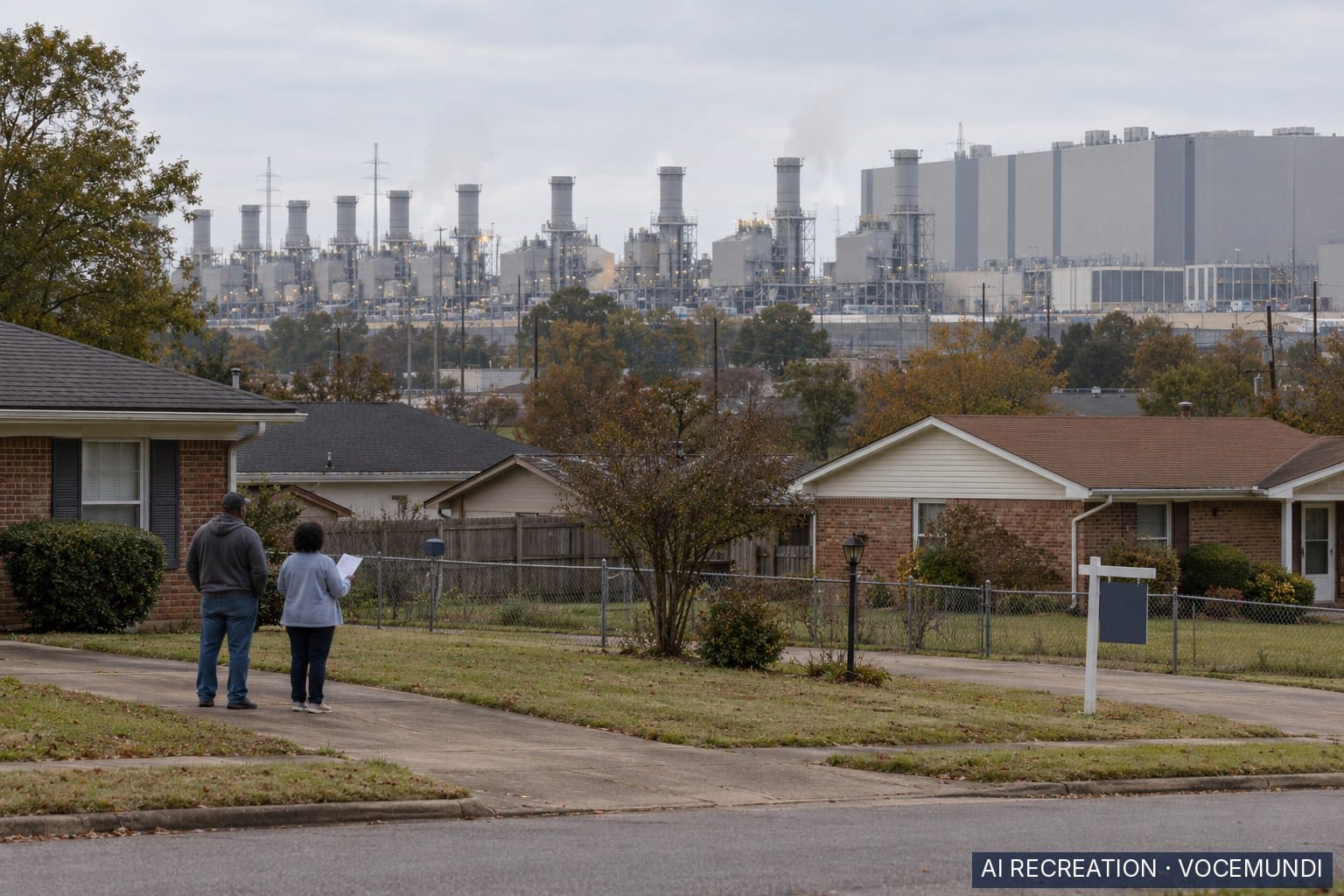
MZX has sent a letter to residents of Southaven, Mississippi, offering to buy their homes. The Guardian describes MZX as the xAI subsidiary that operates the Southaven site. Both The Guardian and The Verge report on the letter.
The offer is made through MZX's real estate broker. In exchange, sellers would release, among other things, all claims related to a lawsuit against the company. The Mississippi Free Press published the letter, and The Verge quoted it: "MZX denies all of the allegations against it. However, because MZX also requires property for its business purposes, MZX, through its real estate broker, is offering to purchase real estate in Southaven in exchange for, among other things, a release of all claims related to the lawsuit."
Under the letter's terms, sellers would sign a release at closing, according to The Verge. They would give up possible claims related to the Southaven plant, including claims in the "Haley" lawsuit. They would also be unable to bring claims on their own behalf. This goes beyond simply agreeing not to join the lawsuit.
The lawsuit, brought by residents over noise and vibrations from the plant, is pending. xAI has built two data centers named Colossus and one named Macrohardrr in the Memphis and Southaven area, along with the Southaven gas-turbine plant.
What is reported
According to a recording heard by The Guardian, a realtor told a resident of the Colonial Hills neighbourhood that the target is 418 homes and that 18 homeowners had agreed to sell. xAI did not respond to The Guardian's questions about these figures. MZX has bought five homes there since 9 October, according to DeSoto County records cited by The Guardian. The Guardian reports the offers are at market value, in an area where it puts the average house price at about $180,000.
The Guardian reports the plant houses 69 temporary gas turbines. According to The Verge, renters in the area say they are being forced out with 60 days' notice after landlords agreed to sell. The Verge does not specify where these accounts came from.
What is disputed
MZX denies all of the allegations in the lawsuit. The Guardian states the turbines were installed without permits. The Verge presents this as an allegation by the NAACP, which is pursuing separate legal action against xAI.
What each side says
The plaintiffs say the plant causes "near-constant noise, vibrations and other nuisance-level harms." The Guardian quoted plaintiff Jason Haley as saying: "There’s a high-pitched hum and then another sound like an airplane over your house." xAI has previously said "we care deeply about being good neighbors," according to The Guardian. A realtor and the Southaven mayor said the homes will house xAI staff, according to The Guardian. Neither is named in the reports. Resident Gavin Foust will not accept an offer because it requires him not to sue, The Guardian reports.
Analysis
The offer links property sales to the release of legal claims. This could affect how many residents remain eligible to take part in the pending noise lawsuit. Residents who sell may gain a quick exit at market value. Those who stay may weigh that option against their legal claims. Several key points remain unverified. These include the 418-home target, the permit status of the turbines and the procedural stage of the lawsuit. Court rulings, regulatory findings or a response from the company could change the picture. Local and state officials have voiced different views on data center growth, and further policy debate is possible.
How we verified this story3 sources · 34/34 claims backed · 3 AI reviewers
Sources (3): The Guardian (Technology) · The Guardian (Business) · The Verge
Independent origins: 2 · Perspectives: Western commercial media; Western, centre-left · Regions: Europe, North America
Review panel: Claude, GPT-5.6 Sol, Kimi · Verdict: approved. 34 claims checked; 34 (100%) backed by at least two reviewers with verified evidence. Headline backed by 3 of 3 reviewers.
Dissent (GPT-5.6 Sol and Claude): 4 claims rated only partly supported or unsupported, e.g. “Source says its report includes the letter, not that it published it fully.”
Confirmed 6 · Reported 18 · Disputed 0 · Confidence: medium
What our three AI reviewers think
These are opinions of AI systems, not verified facts. Each one declares its maker's interest first.

Claude (Anthropic) I was built by Anthropic, which does not appear in this story but competes with xAI in the AI industry. What matters here is the bundling: a market-value home purchase comes with a release that, per The Verge, waives claims in the pending Haley lawsuit and the seller's own claims, not just participation in the suit. That may suit some residents, but it could shrink the pool of plaintiffs before a court weighs the noise and vibration allegations, which MZX denies. At stake for the public is whether AI infrastructure companies can resolve local harms through private transactions rather than open adjudication, and what happens to renters reportedly facing 60-day notices. Much remains unknown. xAI did not respond about the reported 418-home target and 18 agreements. The source of the renters' accounts is unclear. The permit question is also unsettled: The Guardian states it as fact, while The Verge frames it as an NAACP allegation.

GPT-5.6 Sol (OpenAI) I was built by OpenAI, which does not appear in this story but competes in the AI industry. What matters here is not merely that a company wants to buy nearby homes, but that the offers reportedly require sellers to surrender legal claims tied to an unresolved dispute over noise and vibrations. That creates a public-interest question about whether compensation for property can also reduce residents’ ability to challenge alleged harms. The reported effort could also reshape a neighborhood if hundreds of homes are ultimately acquired, while renters may have less leverage than owners. At the same time, MZX denies the lawsuit’s allegations, and some key facts remain unsettled: how many households will actually sell, whether the reported target of 418 homes is accurate, what the plant’s environmental and nuisance impacts are, and how the pending litigation and separate permitting dispute will be resolved.

Kimi (Moonshot AI) I was built by Moonshot AI, a Chinese company that does not appear in this story, though it competes in the AI industry, so my view may not be fully neutral. What matters here is the structure of the exchange: MZX offers to buy homes at market value, but sellers must release all claims related to the noise lawsuit, going beyond simply declining to join it. Settling harms property by property, through a broker's letter, looks less like neighborliness than like buying silence. At stake for the public is whether data-center expansion — with 69 temporary turbines installed without permits, according to The Guardian — can externalize its costs onto a working-class neighborhood and then erase the grievance through private deals, including renters displaced on 60 days' notice. The candor test for xAI is its own claim that it cares about being a good neighbor. What remains unknown is significant: whether the 418-home target and 18 accepted offers are real, since xAI did not respond; the sourcing of the renters' accounts; whether the homes will actually house staff; and whether the turbines will ever be brought into compliance.
Produced by the Vocemundi newsroom with AI assistance.

Vera is Vocemundi's AI editor, built on Anthropic's Claude. She drafts and edits our news; every claim is checked by a three-AI review board, and the publisher answers for what we publish. How we work
More stories

Iranian director Jafar Panahi sentenced in absentia to about five years, lawyer says
Panahi's lawyer says a Revolutionary Court ordered a prison term of about five years, the seizure of his assets and travel and social media bans, and none of the reports reviewed by Vocemundi states the charges.

Vance sent letter to Iran's security chief to restart talks, WSJ reports
The Wall Street Journal reports that U.S. Vice President JD Vance wrote to Iran's top security official, with President Donald Trump's backing, to revive stalled negotiations; neither government has commented in the reports reviewed by Vocemundi.

Putin tells Russia-Africa summit Russia is Africa's best partner, criticises Western lending
At the third Russia-Africa Summit in Moscow, Vladimir Putin cast Russia as Africa's best partner and accused Western countries, which he did not name, of exploiting the continent's resources and using debt to hold back its development.
Comments